Plumbing problems rarely happen at a convenient time. A dripping faucet or slow drain may seem like a minor annoyance, but other plumbing issues escalate rapidly and require immediate attention. When a pipe bursts, a toilet overflows, or water begins pooling where it should not be, delaying action can lead to structural damage, costly repairs, and even health risks. That is why same-day plumbing repair is essential when urgent plumbing problems occur. Acting quickly allows homeowners to limit water damage, protect their property, and restore normal household function before the situation worsens.
In many cases, plumbing systems are hidden behind walls, beneath floors, and inside ceilings. When a failure occurs, water can travel quickly through structural materials, insulation, and electrical areas. What starts as a small issue in the morning can become a major repair by the evening. Understanding which plumbing problems require immediate service helps homeowners respond quickly and prevent serious complications.
Plumbing Problems That Require Same-Day Plumbing Repair
Some plumbing issues can wait a day or two for service. Others cannot. When water is actively leaking, flooding is occurring, or sanitation is compromised, same-day repair becomes critical. These problems escalate quickly and can damage flooring, drywall, cabinets, and foundations if ignored.
Common plumbing problems that require immediate attention include:
- Burst or cracked pipes
- Active water leaks inside walls or ceilings
- Overflowing toilets that will not stop running
- Sewer backups or foul odors coming from drains
- Water heater leaks or sudden loss of hot water
- Major fixture failures such as broken faucets or shower valves
- Sudden drops in water pressure that indicate pipe damage
If any of these situations occur, it is best to contact a professional plumber right away. Fast response prevents the issue from spreading and reduces the risk of more expensive restoration work.
Same-day plumbing repair for active leaks
Active leaks are one of the most urgent plumbing issues homeowners face. Even a small leak can release gallons of water over time, soaking building materials and encouraging mold growth. The longer water continues to escape, the greater the damage becomes.
Signs of an active plumbing leak include:
- Water stains on ceilings or walls
- Puddles forming near appliances or fixtures
- Unexplained increases in water bills
- The sound of running water when no fixtures are in use
- Damp flooring or warped wood
A leaking pipe inside a wall is especially concerning. Moisture trapped behind drywall can weaken structural materials and create the ideal environment for mold and mildew. Mold growth can begin within 24 to 48 hours after water exposure, which is why immediate plumbing repair is so important.
Professional plumbers use specialized tools such as leak detection equipment, moisture meters, and inspection cameras to identify the exact source of the problem. Once located, they can repair or replace the damaged pipe before the leak spreads further throughout the home.
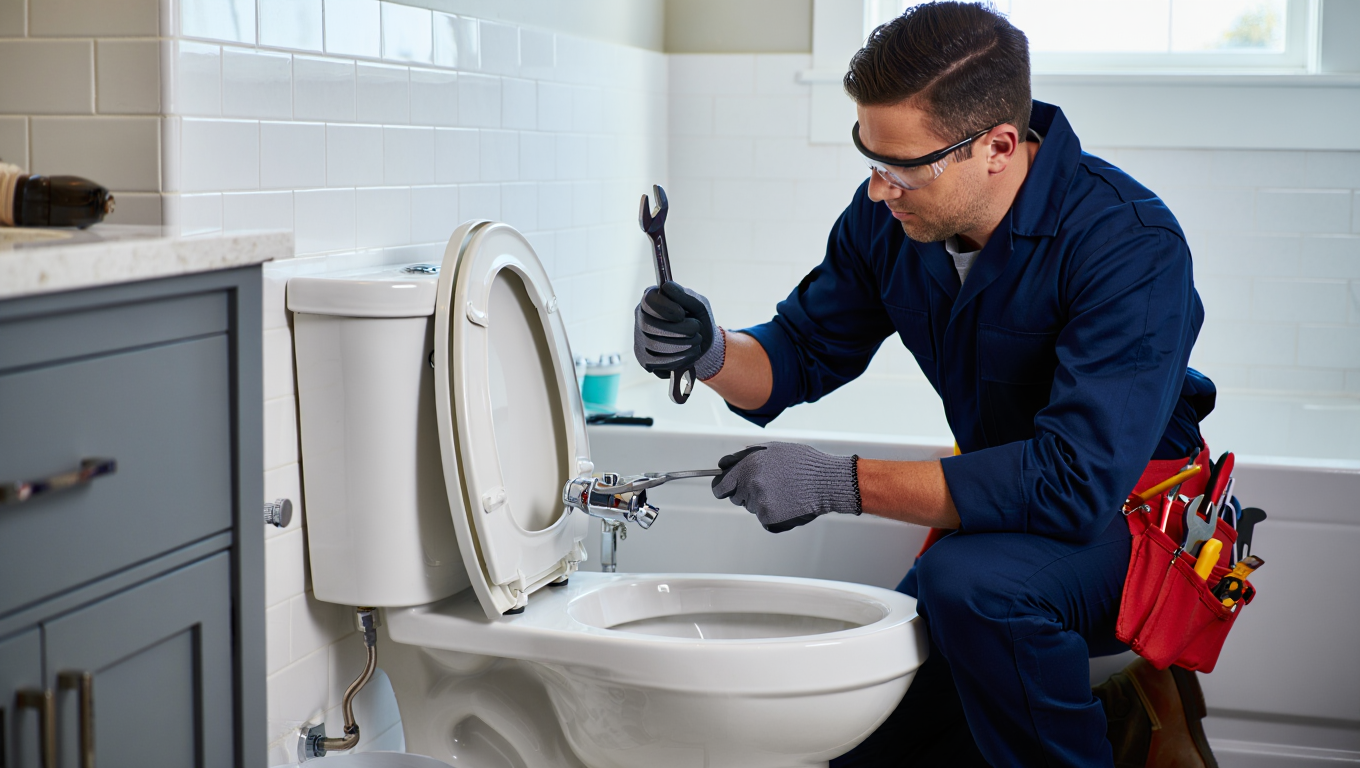
Overflowing toilets and fixture failures
Few plumbing issues are as stressful as an overflowing toilet. When wastewater begins spilling onto the bathroom floor, it creates both property damage and a potential health hazard. Sewage contains bacteria and contaminants that can make cleanup difficult and unsafe.
Overflowing toilets are commonly caused by:
- Severe drain clogs
- Blocked sewer lines
- Faulty fill valves or flappers
- Plumbing vent problems
Similarly, fixture failures such as broken faucets, damaged shower valves, or cracked supply lines can release large amounts of water very quickly. A failed fixture can flood a bathroom or kitchen within minutes if the water supply is not shut off immediately.
Professional plumbers can diagnose the cause of the problem and restore proper function quickly. Same-day plumbing repair prevents ongoing flooding and protects nearby flooring, cabinetry, and drywall.
Risks of Delaying Urgent Plumbing Issues
Waiting too long to address serious plumbing problems can lead to consequences that extend far beyond a simple repair. Water is incredibly destructive when left uncontrolled, and plumbing failures can impact multiple areas of a home at once.
Some of the most significant risks of delaying urgent plumbing issues include the following.
Structural damage to the home
Water can weaken structural components such as wood framing, subfloors, and drywall. Over time, this damage can compromise the stability of walls, ceilings, and floors.
Mold and mildew growth
Excess moisture provides ideal conditions for mold development. Mold spores spread quickly and may trigger allergies, respiratory issues, and unpleasant odors throughout the home.
Electrical hazards
Water leaking near electrical wiring or outlets can create dangerous situations. Electrical systems exposed to moisture may short-circuit or pose a shock risk.
Increased repair costs
What begins as a small leak may eventually require drywall replacement, flooring repairs, mold remediation, and structural restoration. Addressing the problem immediately is far more affordable.
Health concerns from sewage exposure
Sewer backups and overflowing toilets expose households to harmful bacteria and pathogens. Prompt plumbing repair helps restore sanitary conditions quickly.
Plumbing systems are interconnected, which means a failure in one location can impact multiple fixtures and appliances. Acting quickly reduces the likelihood of additional complications developing.
How Same-Day Plumbing Repair Saves Money Long-Term
Homeowners sometimes hesitate to schedule emergency plumbing service because they worry about the immediate cost. However, delaying necessary repairs often leads to far greater expenses later.
Same-day plumbing repair helps save money in several important ways.
Prevents widespread water damage
Addressing leaks immediately limits the amount of water that can soak into building materials. Preventing structural damage avoids costly reconstruction.
Reduces restoration expenses
Water damage restoration may involve drying equipment, mold treatment, and material replacement. Fast plumbing repair reduces the need for these services.
Protects valuable appliances and fixtures
Leaks near water heaters, dishwashers, washing machines, or cabinets can damage these expensive items. Immediate repair protects household investments.
Avoids higher utility bills
Undetected leaks can waste hundreds or even thousands of gallons of water. Fixing the problem quickly keeps water bills under control.
Preserves property value
Homes with unresolved water damage or mold issues may lose value or require extensive repairs before they can be sold. Prompt plumbing service protects the long-term condition of the property.
In many cases, the cost of a same-day plumbing repair is significantly lower than the cost of repairing widespread water damage that develops over time.
Choosing a plumber who offers same-day plumbing repair
When urgent plumbing issues arise, homeowners need a reliable professional who can respond quickly. Choosing the right plumbing company ensures that the problem will be diagnosed accurately and repaired efficiently.
When selecting a plumber for same-day service, consider the following factors:
- Experience with emergency plumbing repairs
- Fast response times and availability
- Proper licensing and insurance
- Positive customer reviews and local reputation
- Transparent pricing and clear communication
An experienced plumber will arrive prepared with the tools and parts needed to address many common plumbing problems during the same visit. This allows homeowners to restore their plumbing system quickly and minimize disruption to daily life.
Working with a trusted local company also ensures that technicians understand the plumbing systems commonly found in homes throughout the area.
Frequently Asked Questions About Same-Day Plumbing Repair
How do I know if my plumbing issue is an emergency?
If water is actively leaking, flooding is occurring, sewage is backing up, or you have lost access to essential plumbing fixtures, the issue should be addressed immediately. These problems can quickly cause property damage or health risks.
Can a small leak really cause major damage?
Yes. Even small leaks can release significant amounts of water over time. Moisture can spread behind walls and floors, causing structural damage and mold growth if not repaired promptly.
What should I do while waiting for the plumber to arrive?
If possible, shut off the water supply to the affected fixture or to the entire home using the main shutoff valve. Move valuable items away from the leak and try to contain water with towels or buckets.
Is same-day plumbing repair more expensive?
Emergency plumbing service may cost slightly more than scheduled appointments. However, repairing the issue quickly usually saves money by preventing larger repairs and water damage restoration.
How long do most plumbing repairs take?
The time required depends on the type of problem. Minor repairs may take less than an hour, while more complex issues, such as pipe replacements or sewer repairs, may take longer.
Contact Schneider Plumbing, Heating & Air Conditioning for Reliable Same-Day Plumbing Repair
When a plumbing emergency happens, you need a team you can trust to respond quickly and fix the problem correctly. For more than 70 years, Schneider Plumbing, Heating & Air Conditioning has been a dependable plumbing provider helping homeowners throughout Jackson and Jennings County live more comfortably.
As a family-owned HVAC and plumbing company, Schneider Plumbing, Heating & Air Conditioning is committed to improving customers’ lives through dependable service and high-quality workmanship. Our experienced technicians understand how stressful plumbing emergencies can be, and they work quickly to restore safety and comfort to your home.
Whether you are dealing with an active leak, an overflowing toilet, or a sudden plumbing failure, our team is ready to help with professional same-day plumbing repair.
If you need expert plumbing service today, contact us to schedule an appointment with the trusted professionals at Schneider Plumbing, Heating & Air Conditioning. Our experienced team is ready to provide the reliable service your home deserves.
Plumbing problems rarely happen at convenient times. A pipe can burst in the middle of the night, a drain can back up during a family gathering, or a water heater can fail when you need it most. In these situations, emergency plumbing services are essential for protecting your home from extensive water damage and costly repairs. Knowing when a plumbing issue qualifies as an emergency can help homeowners act quickly and avoid serious structural damage, mold growth, and expensive restoration work.
While some plumbing problems can wait for a scheduled appointment, others require immediate professional attention. Ignoring urgent plumbing issues can allow water to spread through walls, floors, and ceilings, creating long term damage that may be difficult and expensive to repair. Understanding the warning signs of a plumbing emergency and knowing who to call can help you minimize damage and restore comfort to your home as quickly as possible.
When Do You Need Emergency Plumbing Services?
Many homeowners struggle to determine whether a plumbing issue truly requires immediate help. Some problems develop gradually and can wait for regular service hours. Others can escalate quickly and threaten your home’s safety and structure.
In general, you should call for emergency plumbing services when a plumbing issue causes active water damage, creates a health hazard, or disrupts essential household systems.
Situations that often require immediate professional assistance include:
- Sudden water leaks that cannot be stopped
- Flooding caused by broken pipes or plumbing fixtures
- Sewage backing up into sinks, tubs, or floor drains
- No running water throughout the home
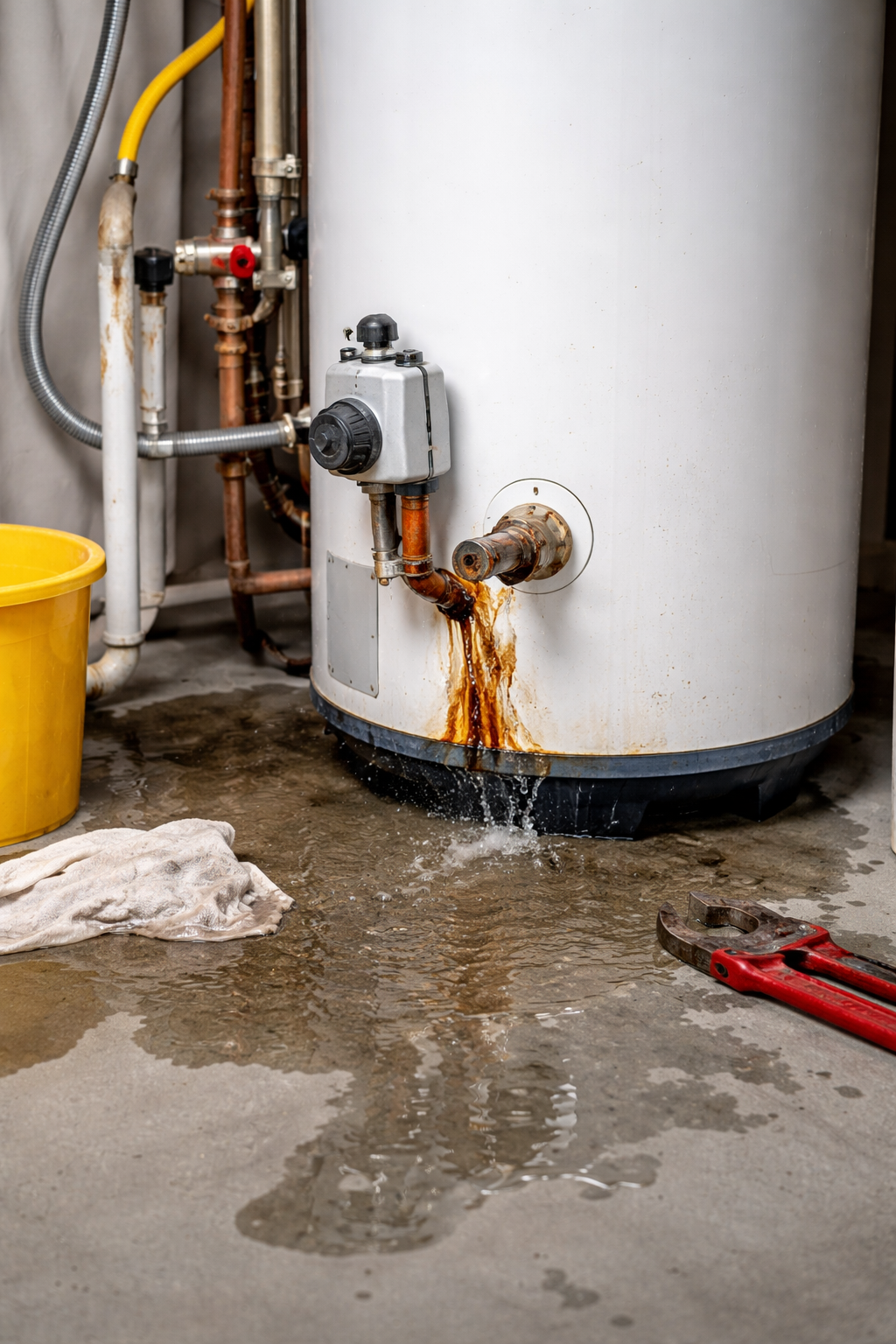
- Major water heater leaks or failures
- Frozen pipes that have cracked or burst
- Severe drain blockages affecting multiple fixtures
When these issues occur, waiting too long to seek help can allow water to spread throughout the home and damage drywall, flooring, insulation, and electrical systems. Professional plumbers have the tools and expertise to quickly identify the source of the problem and stop it before the damage becomes worse.
Emergency plumbing services for burst pipes and flooding
Burst pipes are among the most common and destructive plumbing emergencies homeowners face. When a pipe ruptures, water can pour into your home rapidly, causing extensive flooding in a matter of minutes.
Burst pipes may occur for several reasons, including:
- Freezing temperatures that expand water inside pipes
- Corrosion in aging plumbing systems
- High water pressure stressing pipe connections
- Accidental damage during home repairs or renovations
When a pipe bursts, the first step is to shut off the main water supply to prevent additional flooding. After that, contacting emergency plumbing services is critical. Professional plumbers can locate the damaged section of pipe, stop the leak, and perform repairs or replacements quickly.
Fast response is essential because even a small amount of water can cause major problems. Standing water can seep into structural materials and lead to:
- Warped flooring
- Damaged drywall
- Mold and mildew growth
- Electrical hazards
- Structural deterioration
Emergency plumbers use specialized equipment to repair pipes and minimize water damage, helping homeowners restore their homes faster.
Common Plumbing Emergencies That Can’t Wait
Some plumbing problems might seem minor at first, but can quickly escalate into major emergencies. Recognizing the signs early can help you act quickly and avoid severe damage.
Here are some of the most common plumbing emergencies that require immediate attention.
Sewer backups and severe drain blockages
Sewer backups are one of the most unpleasant and hazardous plumbing emergencies homeowners can experience. When wastewater cannot flow properly through the sewer line, it can back up into sinks, toilets, tubs, or floor drains.
Signs of a sewer backup may include:
- Multiple drains clogging at the same time
- Sewage odors inside the home
- Water backing up in showers or bathtubs when toilets are flushed
- Gurgling noises from drains or toilets
Sewage contains harmful bacteria and contaminants that pose serious health risks. Exposure to sewage can lead to illness and contamination of household surfaces.
Emergency plumbing services are necessary in these situations because professional plumbers can safely diagnose the issue and remove the blockage. They may use advanced tools such as drain cameras or hydro jetting equipment to clear the line and restore proper drainage.
Common causes of sewer line blockages include:
- Tree roots growing into pipes
- Accumulated grease and debris
- Flushed wipes or hygiene products
- Collapsed or damaged sewer pipes
Because sewer issues can worsen quickly, professional intervention is essential to restore safe and sanitary plumbing conditions.
How fast emergency plumbing services typically respond
One of the biggest advantages of emergency plumbing services is rapid response. Plumbing emergencies can escalate quickly, which is why many professional plumbing companies provide 24-hour support.
Response times may vary depending on location and service availability, but many emergency plumbers aim to arrive within one to two hours of a service call. Fast response allows technicians to assess the problem quickly and begin repairs before damage spreads.
During an emergency service call, professional plumbers typically:
- Assess the severity of the problem
- Locate the source of the leak or blockage
- Shut off water or isolate damaged plumbing lines
- Perform immediate repairs or temporary solutions
- Recommend permanent repair options if needed
Having experienced technicians handle the problem quickly can significantly reduce the risk of property damage and costly restoration work.
What to Expect from Professional Emergency Plumbers
Calling a professional during a plumbing emergency can feel stressful, especially if the issue occurs late at night or during a holiday. Understanding what emergency plumbers do during a service visit can help homeowners feel more prepared and confident.
Professional emergency plumbing services focus on fast diagnosis, damage prevention, and safe repairs.
Here is what homeowners can typically expect when an emergency plumber arrives.
Rapid inspection and diagnosis
The plumber will first inspect the affected area to determine the cause of the problem. They may use specialized diagnostic tools such as leak detection equipment, pipe cameras, or pressure gauges to identify hidden issues.
Immediate damage control
Stopping the source of water is the top priority. Plumbers may shut off valves, repair broken pipes, or temporarily seal leaks to prevent additional flooding.
Professional repair solutions
Once the immediate threat is under control, the plumber will complete necessary repairs or replacements. Depending on the situation, this may involve fixing pipes, clearing drains, replacing fixtures, or repairing water heaters.
Expert recommendations
Emergency plumbers often provide guidance on preventing similar problems in the future. This may include advice on pipe insulation, drain maintenance, or plumbing system upgrades.
Working with experienced professionals ensures repairs are completed safely and effectively, giving homeowners peace of mind during stressful situations.
Preventing Future Plumbing Emergencies
Although some plumbing emergencies occur unexpectedly, many can be prevented with routine maintenance and early problem detection.
Homeowners can reduce the risk of plumbing emergencies by taking proactive steps, such as:
- Scheduling regular plumbing inspections
- Insulating exposed pipes before winter
- Avoiding flushing wipes, grease, or food waste
- Monitoring water pressure levels
- Repairing small leaks promptly
Routine maintenance allows plumbers to detect issues before they turn into emergencies. Preventive care helps protect your home while extending the lifespan of your plumbing system.
FAQ About Emergency Plumbing Services
What qualifies as a plumbing emergency?
A plumbing emergency typically involves active water leaks, flooding, sewage backups, or loss of water that threatens your home or health. These issues require immediate professional assistance to prevent property damage.
Should I turn off the water before calling a plumber?
Yes. If possible, shutting off the main water supply can help stop flooding and limit damage. Once the water is off, you should contact emergency plumbing services right away.
Are emergency plumbing services available at night?
Many professional plumbing companies offer 24-hour emergency service. This allows homeowners to get help during nights, weekends, and holidays when urgent plumbing issues occur.
How can I reduce damage while waiting for a plumber?
You can minimize damage by turning off the main water supply, moving valuables away from affected areas, and placing buckets or towels to collect leaking water.
Are emergency plumbing repairs more expensive?
Emergency service may include additional fees due to after-hours response. However, fast repairs often save homeowners money by preventing larger water damage and costly restoration work.
Protect Your Home with Trusted Plumbing Experts
Plumbing emergencies can happen at any time, and when they do, fast professional help is essential. Acting quickly can prevent extensive water damage, protect your home’s structure, and save thousands of dollars in repair costs. Reliable emergency plumbing services ensure that burst pipes, sewer backups, and severe leaks are handled safely and efficiently.
For homeowners in Jackson and Jennings County, Schneider Plumbing, Heating & Air Conditioning has been the trusted choice for dependable plumbing solutions for more than 70 years. As a family-owned company, our team is dedicated to helping neighbors live more comfortably at home with expert plumbing, heating, and cooling services.
If you are dealing with a plumbing emergency or want to protect your home with professional service, contact us today. Our experienced technicians are ready to provide the fast, reliable help you need when it matters most.
Modern homeowners are looking for smarter ways to lower monthly expenses, reduce resource use, and create more comfortable living spaces. One of the most effective and often overlooked upgrades is installing energy-efficient plumbing fixtures. These advanced fixtures are designed to reduce water consumption and the energy required to heat and move water throughout your home. By choosing the right fixtures, families can enjoy dependable performance while shrinking utility bills and minimizing environmental impact. As awareness grows around sustainability and long-term home value, upgrading plumbing fixtures has become a practical investment rather than a luxury.
Energy-efficient plumbing fixtures are not just about saving water. They help reduce energy demand, protect local water supplies, and support a healthier home environment. With improved designs, better materials, and smarter engineering, today’s fixtures deliver comfort and convenience without sacrificing performance. Whether you are remodeling a bathroom, replacing aging fixtures, or building a new home, understanding how these products work and what benefits they offer can help you make confident, cost-effective decisions.
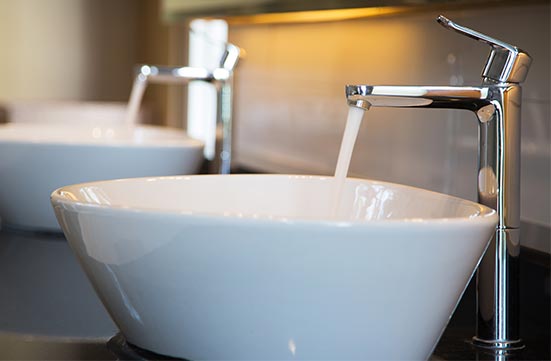
What Makes a Plumbing Fixture Energy Efficient?
Not all plumbing fixtures are created equal. Energy efficiency in plumbing is driven by how much water a fixture uses, how effectively it performs its job, and how it interacts with other systems like water heaters and pumps. Efficient fixtures are engineered to use less water per use while maintaining strong pressure and reliability.
Several characteristics define an energy-efficient plumbing fixture:
- Reduced water flow rates that meet or exceed federal efficiency standards.
- Smart design features that optimize water delivery, such as aerators or pressure balancing valves.
- Compatibility with high-efficiency water heaters and recirculation systems.
- Durable construction that reduces leaks, repairs, and premature replacements.
Low-flow technology plays a major role. By limiting gallons per minute or gallons per flush, fixtures reduce the amount of hot water needed, which directly lowers energy consumption. For example, heating water accounts for a significant portion of household energy use. When less hot water is required for daily tasks like washing hands or showering, energy savings add up quickly.
Many energy-efficient fixtures are also certified by programs like WaterSense. These certifications ensure products meet strict performance and efficiency criteria, giving homeowners confidence that they are making responsible choices. Over time, these efficiencies help protect both household budgets and natural resources.
The Top Energy Efficient Plumbing Upgrades
Upgrading your plumbing does not require a complete overhaul to see meaningful benefits. Strategic improvements can deliver immediate savings and long-lasting value. Homeowners often start with fixtures that are used daily, since even small efficiency gains multiply with frequent use.
Popular energy-efficient plumbing upgrades include:
- High-efficiency toilets designed to use significantly less water per flush.
- Low-flow faucets in kitchens and bathrooms.
- Water-saving showerheads that maintain comfort while reducing flow.
- Tankless or high-efficiency water heaters that heat water only when needed.
- Smart leak detection and monitoring systems that prevent water waste.
These upgrades can be completed individually or as part of a larger home improvement project. A professional plumber can help assess which fixtures will provide the greatest return based on household size, usage patterns, and existing plumbing infrastructure.
Low-Flow Faucets and Dual-Flush Toilets
Among the most impactful upgrades are low-flow faucets and dual flush toilets. Faucets equipped with aerators mix air with water, creating a strong, consistent stream while using less water. This technology is especially effective in bathrooms and kitchens where faucets are turned on and off throughout the day.
Benefits of low-flow faucets include:
- Reduced water use without compromising functionality.
- Lower energy demand from water heaters.
- Simple installation and broad style options.
Dual flush toilets offer two flushing options, one for liquid waste and one for solid waste. This allows users to select the appropriate amount of water for each flush, reducing unnecessary water use. Compared to older toilets, dual flush models can save thousands of gallons of water per year in a typical household.
These fixtures are particularly valuable in busy homes, where frequent use can otherwise drive up utility costs. Over time, the savings from reduced water and energy use can offset the initial investment.
Partnering with Eco-Friendly Plumbing Pros
Choosing the right fixtures is only part of the equation. Proper installation and system integration are essential to achieving maximum efficiency. Working with eco-friendly plumbing professionals ensures that upgrades are installed correctly and optimized for your home’s specific needs.
Experienced plumbers can:
- Recommend fixtures that align with efficiency goals and local regulations.
- Ensure proper sizing and installation to prevent leaks and pressure issues.
- Identify additional opportunities to improve water and energy performance.
- Provide ongoing maintenance to extend the life of your fixtures.
A professional approach helps avoid common pitfalls, such as mismatched components or improper installation, which can reduce efficiency and lead to costly repairs. Partnering with knowledgeable plumbers also gives homeowners peace of mind that their upgrades will deliver lasting value.
Long-Term Savings and Sustainability Benefits
One of the most compelling reasons to invest in energy-efficient plumbing fixtures is the long-term financial benefit. While efficient fixtures may have a higher upfront cost, the reduction in monthly water and energy bills often leads to significant savings over time. These savings are especially noticeable as utility rates continue to rise.
Long-term benefits include:
- Lower water bills due to reduced consumption.
- Decreased energy costs from heating less water.
- Reduced strain on plumbing systems, leading to fewer repairs.
- Increased home value and appeal to environmentally conscious buyers.
Beyond personal savings, efficient plumbing supports broader sustainability goals. Conserving water helps protect local watersheds and reduces the energy required for water treatment and distribution. By using less energy, households also lower greenhouse gas emissions associated with power generation.
Energy-efficient plumbing fixtures contribute to a more resilient home. During periods of drought or high demand, homes with efficient fixtures are better equipped to manage limited resources without sacrificing comfort. This resilience is becoming increasingly important as communities adapt to changing environmental conditions.
Rebates for Energy-Efficient Plumbing Upgrades
Many homeowners are surprised to learn that rebates and incentives are often available for installing energy-efficient plumbing fixtures. Utility companies, municipalities, and state programs frequently offer financial incentives to encourage conservation.
Potential incentives may include:
- Rebates for WaterSense-certified toilets and faucets.
- Discounts on high-efficiency water heaters.
- Tax credits for qualifying energy-saving home improvements.
These programs can significantly reduce the upfront cost of upgrades, making efficiency improvements more accessible. A knowledgeable plumbing professional can help identify available rebates and ensure that installations meet program requirements.
Taking advantage of incentives not only saves money but also accelerates the return on investment. Homeowners who combine rebates with long-term utility savings often see payback sooner than expected.
Making the Smart Choice for Your Home
Selecting energy-efficient plumbing fixtures is a proactive step toward a more comfortable, cost-effective, and sustainable home. With modern designs and proven technologies, today’s fixtures make it easier than ever to reduce water and energy use without compromising performance.
When planning upgrades, consider factors such as household usage, existing plumbing systems, and long-term goals. Consulting with trusted professionals ensures that every decision is informed and aligned with your needs. From small fixture replacements to comprehensive system upgrades, each improvement contributes to meaningful savings and environmental stewardship.
For homeowners in Jackson and Jennings County, working with a local, experienced provider makes all the difference. Schneider Plumbing, Heating & Air Conditioning has proudly served the community for over 70 years, helping friends and neighbors live more comfortably at home. As a family-owned HVAC and plumbing company, we are committed to improving customers’ lives through quality heating, cooling, and plumbing services. Our mission is to provide the highest level of service whenever expert help is needed.
If you are ready to explore energy-efficient plumbing upgrades, now is the perfect time to act. Contact us to schedule a consultation and discover how modern plumbing solutions can lower your bills, enhance comfort, and support a more sustainable future for your home.
Keeping your home comfortable and protected starts with understanding what is happening behind the walls, under sinks, and throughout your plumbing system. A plumbing inspection checklist is one of the most effective tools homeowners can use to identify minor issues before they become expensive emergencies. By routinely checking fixtures, pipes, valves, and water pressure, you can catch leaks, corrosion, and inefficiencies early and extend the life of your plumbing system.
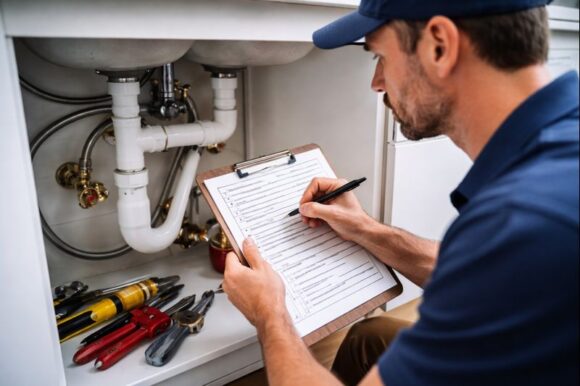
Why You Need a Plumbing Inspection Checklist
Plumbing systems work quietly in the background, which makes it easy to overlook early warning signs of trouble. A structured inspection checklist ensures that no critical component is forgotten and that you evaluate your system in a consistent, thorough way. Without a checklist, homeowners often miss small leaks, slow drains, or subtle pressure changes that signal larger problems.
A plumbing inspection checklist is especially valuable because it helps you stay proactive instead of reactive. Plumbing emergencies can cause water damage, mold growth, and costly repairs. Regular inspections allow you to spot issues while they are still manageable and affordable to fix.
Some of the key benefits of using a plumbing inspection checklist include:
- Early detection of leaks that can damage floors, cabinets, and walls
- Identification of corrosion or aging pipes before they fail
- Improved water efficiency that can lower monthly utility bills
- Increased lifespan of fixtures and appliances
- Better understanding of when to call a professional plumber
For homeowners planning to sell their property, a documented plumbing inspection can also add confidence for buyers and reduce surprises during a home inspection.
How to Conduct a Step-by-Step Plumbing Check
Completing a plumbing inspection does not require advanced tools or technical expertise. What it does require is attention to detail and a systematic approach. Start by setting aside enough time to inspect your home thoroughly and gather basic supplies such as a flashlight, paper towels, and a notepad to record observations.
Begin your checklist by dividing your home into sections, such as bathrooms, kitchen, laundry area, basement, and exterior plumbing. This helps ensure you inspect every area methodically.
Inspecting Fixtures, Valves, and Drains
Fixtures and drains are some of the most visible and frequently used parts of your plumbing system, making them a logical starting point. Faucets, toilets, showers, and sinks experience daily wear and tear, which can lead to leaks and inefficiencies over time.
When inspecting fixtures, focus on the following steps:
- Check faucets for drips, leaks around the base, or loose handles
- Inspect under sinks for moisture, stains, or warped cabinetry
- Flush toilets and listen for running water after the tank refills
- Examine showerheads and tub spouts for leaks or mineral buildup
- Ensure shut-off valves turn smoothly and fully close
Drains deserve special attention as well. Slow-draining water can indicate partial clogs or buildup that may worsen if left untreated. Run water in sinks, tubs, and showers to see how quickly it drains and listen for gurgling sounds that may suggest venting issues.
If you notice persistent dripping, pooling water, or foul odors from drains, make note of these issues on your checklist. Even small leaks can waste significant amounts of water and lead to long-term damage if ignored.
Spotting Water Pressure and Leak Issues
Water pressure problems often go unnoticed until they become severe. Low pressure can make daily tasks frustrating, while high pressure can strain pipes and fixtures. During your inspection, test water pressure at multiple fixtures throughout the home.
Signs of water pressure or leak issues include:
- Sudden changes in pressure when multiple fixtures are used
- Banging or knocking sounds in pipes, often called water hammer
- Discolored water that may indicate corrosion inside pipes
- Damp spots on walls, ceilings, or floors
- Unexplained increases in water bills
To check for hidden leaks, turn off all water-using appliances and fixtures, then observe your water meter. If the meter continues to move, there may be a hidden leak somewhere in the system. This simple test can reveal problems that are not visible during a surface-level inspection.
Be sure to inspect exposed pipes in basements, crawl spaces, or utility rooms. Look for signs of corrosion, rust, or mineral deposits around joints and fittings. These areas are often overlooked but can provide early clues of future pipe failure.
When to Call a Professional Plumber
While a plumbing inspection checklist empowers homeowners to identify many issues, it is important to recognize when professional expertise is needed. Some problems require specialized tools, training, and experience to diagnose and repair safely.
You should consider calling a professional plumber if you encounter:
- Persistent leaks that do not resolve with basic tightening or washer replacement
- Major corrosion or visible pipe damage
- Sewage odors or frequent drain backups
- Inconsistent water temperature or pressure throughout the home
- Signs of water damage inside walls or ceilings
Professional plumbers can perform more advanced inspections, including camera drain inspections, pressure testing, and water quality analysis. These services provide a deeper understanding of your plumbing system’s condition and help prevent unexpected breakdowns.
Routine Inspections for Older Homes
Homes built several decades ago often have plumbing systems that differ significantly from modern standards. Older pipes made from galvanized steel or cast iron are more prone to corrosion and failure, making routine inspections especially important.
If you live in an older home, your plumbing inspection checklist should include additional considerations:
- Inspect visible pipes for rust, flaking, or discoloration
- Check for outdated materials that may need replacement
- Monitor water pressure carefully to avoid stressing aging pipes
- Look for signs of past repairs that may indicate recurring issues
Routine inspections help homeowners of older properties plan upgrades strategically instead of reacting to emergencies. A professional plumber can also advise on phased replacements that improve reliability without requiring a full system overhaul at once.
Making Plumbing Inspections a Habit
Consistency is key when it comes to plumbing maintenance. Completing a plumbing inspection checklist once a year is a good baseline for most homes, but more frequent checks may be beneficial for larger households or properties with older systems.
Consider scheduling inspections:
- Annually, as part of regular home maintenance
- Before and after extreme weather events
- Prior to buying or selling a home
- When water bills increase unexpectedly
By making plumbing inspections a routine habit, you stay informed about the condition of your system and can address small issues before they escalate.
Trust Schneider Plumbing, Heating & Air Conditioning for Expert Help
Even the most thorough homeowner inspection has its limits. When you need expert guidance, repairs, or a professional plumbing inspection, Schneider Plumbing, Heating & Air Conditioning is here to help. For over 70 years, the Schneider Plumbing, Heating & Air Conditioning team has been a reliable plumber helping our friends and neighbors throughout Jackson and Jennings County live more comfortably at home. As a family-owned HVAC company, we are committed to improving our customers’ lives through quality heating, cooling, and plumbing services. It is our mission to provide you with the highest level of service whenever you need the help of an expert. If you want peace of mind that your plumbing system is operating safely and efficiently, contact us today to schedule a professional inspection and experience the difference trusted local service can make.