

Furnace Repair in Seymour, IN
Furnace repair in Seymour, IN for homeowners dealing with no heat, weak airflow, short cycling, loud noises, burning smells, uneven rooms, rising winter energy bills, or a heating system that cannot keep the home comfortable. Schneider Plumbing, Heating & Air Conditioning diagnoses furnace problems carefully, explains the repair options clearly, and helps restore safe, dependable heat.
When a furnace starts acting up, the problem should not be ignored. A small issue with ignition, airflow, electrical controls, sensors, blower components, filters, or safety switches can turn into a full no-heat breakdown if the system keeps running under strain. Schneider checks the system, looks for the real cause, and helps you decide whether repair, maintenance, or replacement is the best next step.
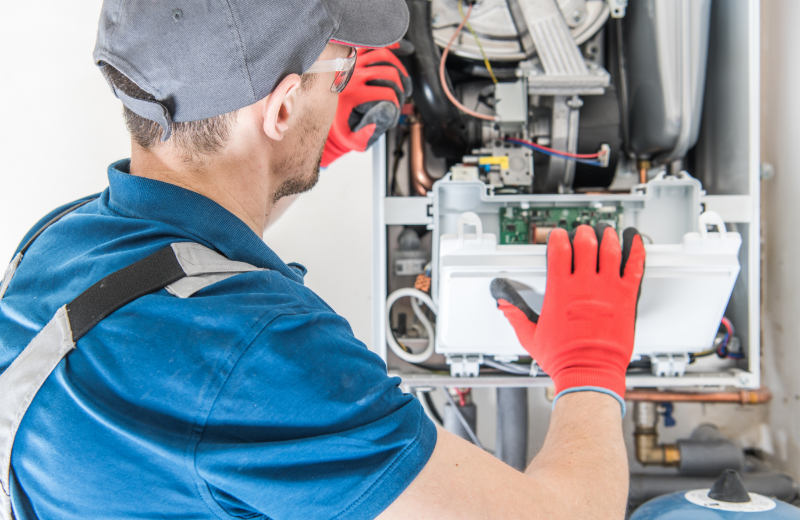
Furnace Repair in Seymour, IN for No Heat, Weak Heat, and System Trouble
A furnace problem can make a home uncomfortable quickly, especially during cold Indiana weather. The system may run but never warm the house, start and stop too often, make loud noises, blow cool air, or shut down before the thermostat is satisfied. Schneider helps Seymour homeowners sort through those symptoms and get the right repair started.
Furnace problems can come from dirty filters, restricted airflow, flame sensor issues, igniter problems, blower motor trouble, thermostat failures, electrical components, limit switches, burners, venting concerns, or normal wear on aging equipment. Because several issues can create similar symptoms, a careful diagnostic matters before any repair recommendation is made.
If the furnace can be repaired reliably, Schneider will explain the issue and the recommended fix. If the system is older, unsafe, inefficient, or becoming expensive to keep alive, Schneider can also help you compare furnace installation options. For broader cold-weather comfort needs, Schneider also provides heating services in Seymour, IN and HVAC maintenance.
Furnace Repair in Seymour, IN Should Start With Safety
No heat is frustrating, but heating safety matters just as much as comfort. Gas odors, persistent burning smells, soot, frequent shutdowns, carbon monoxide concerns, and unusual ignition behavior should be taken seriously. If you smell gas or suspect carbon monoxide, leave the home and contact emergency services or the gas utility right away.
Common Signs You Need Furnace Repair
- The furnace will not turn on
- Air from vents feels cool, weak, or inconsistent
- The system starts and stops repeatedly
- Rooms stay cold even when the thermostat is set correctly
- The furnace makes rattling, banging, squealing, buzzing, or grinding sounds
- You notice burning, musty, electrical, or gas-like odors
- Heating bills rise without a clear change in use
- The blower runs constantly or will not run at all
- The furnace shuts down before heating the home
No-Heat Diagnostics
Heating System Checks
Repair Options
Prevention Guidance
Furnace Problems Schneider Diagnoses and Repairs
Different furnace symptoms can point to very different causes. Schneider uses what you are seeing, hearing, smelling, and feeling as the starting point for a full system check.
No Heat or Weak Heat
A furnace that turns on but does not heat properly may have an ignition issue, dirty filter, airflow restriction, thermostat problem, safety switch response, burner issue, or blower problem. Schneider checks the system before recommending a repair.
Common clues include:
- Cool air from vents
- Long run times
- Rooms staying cold
- Thermostat never satisfied
Short Cycling
Short cycling means the furnace starts and stops too often. This can waste energy, reduce comfort, and add wear to components. The cause may involve airflow, filters, overheating, thermostat placement, flame sensors, or safety controls.
Watch for:
- Frequent startup and shutdown
- Heat that fades quickly
- System lockouts
- Uneven room temperatures
Ignition and Startup Problems
If the furnace clicks, tries to start, shuts down, or never begins a full heating cycle, the problem may involve ignition components, sensors, burners, control boards, gas supply concerns, or safety switches.
Call for help if:
- The furnace clicks but will not light
- The system starts then shuts off
- Burners do not stay on
- You notice delayed ignition or unusual smells
Blower and Airflow Issues
Weak airflow can make the furnace seem like it is not heating, even if the equipment is producing heat. Filters, blower motors, belts, duct restrictions, dirty components, and control issues can all affect airflow.
Loud Furnace Noises
Rattling, banging, squealing, buzzing, and grinding sounds should be checked before more damage builds up. Schneider’s article on furnace rattling noises can help homeowners understand why new sounds should not be ignored.
Odors and Safety Concerns
A brief dusty smell at first startup can happen, but strong, persistent, electrical, burning, musty, or gas-like odors need attention. If a gas odor or carbon monoxide concern is possible, leave the home and call emergency services or the gas utility first.
Trusted safety guidance
The CDC provides clear homeowner information about carbon monoxide safety. Schneider can inspect heating equipment after immediate safety concerns have been handled.
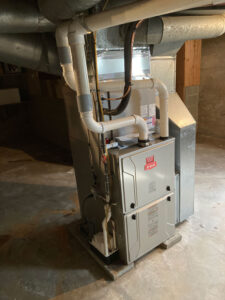
What to Expect During a Furnace Repair Visit
Homeowners want the heat restored, but they also deserve to know what went wrong and what the repair is expected to solve. Schneider keeps the process straightforward. The technician listens to the symptoms, checks the system, explains what was found, and reviews the repair path before approved work moves forward.
The exact diagnostic depends on the symptom. A no-heat call is different from a short cycling system. A loud blower is different from a furnace with a burning smell. A thermostat issue is different from an ignition failure. Schneider adapts the inspection to the actual problem instead of treating every heating call the same way.
Furnace Repair in Seymour, IN With Clear Next Steps
After the diagnostic, Schneider explains whether the issue appears repairable, whether maintenance is recommended, and whether the system’s age or safety condition makes replacement worth discussing. If the repair is reasonable, the goal is to restore safe, dependable heat. If replacement is smarter, the team will explain why.
Repair visits may include:
- Thermostat and system operation review
- Filter, airflow, and visible component checks
- Ignition, burner, flame sensor, and control review when applicable
- Blower, motor, and safety control inspection
- Noise, odor, and shutdown troubleshooting
- Repair recommendation with plain-language explanation
- System operation check after approved repair work
Repair or Replace? Making the Right Heating Decision
Not every furnace problem means replacement, but not every repair is worth repeating. Schneider helps homeowners compare the realistic options.
When Furnace Repair Usually Makes Sense
Repair may be the better choice when the furnace is not too old, the issue is isolated, safety concerns are not present, and the system has heated the home reliably until recently. A repair can also make sense when the cost is reasonable and the equipment is otherwise in fair condition.
- The system heated well before the problem started
- The repair is not a major percentage of replacement cost
- The equipment is not breaking down repeatedly
- Safety checks do not reveal serious concerns
- Airflow and comfort were previously consistent
If repair is the right call, Schneider focuses on restoring heat and helping you understand what to watch for afterward.
When Furnace Replacement May Be the Better Value
Replacement may be worth considering when the system is older, repair costs are climbing, safety concerns are present, or the furnace has repeated failures. It may also make sense when heating bills are rising and the system still struggles during normal winter weather.
- The furnace has needed multiple repairs in recent seasons
- The system cannot keep up on cold days
- Cold rooms and weak airflow keep coming back
- The unit is loud, inefficient, unsafe, or unreliable
- A major component has failed on older equipment
If the furnace is nearing the end of its useful life, Schneider’s article on signs you may need a new furnace can help you think through replacement timing before a full no-heat emergency.
Why Homeowners Call Schneider for Furnace Repair
A furnace problem needs more than a quick guess. Schneider focuses on safe diagnostics, clear communication, practical repairs, and honest replacement guidance when repair no longer makes sense.
Safety-Focused Diagnostics
Heating systems need careful attention to odors, ignition behavior, airflow, controls, shutdowns, and other safety-related symptoms.
Clear Repair Options
You get an explanation of what was found and what repair path is recommended before approved work moves forward.
Repair When It Makes Sense
If the furnace can be repaired reliably, Schneider explains the repair and what it should solve.
Replacement Honesty
If the furnace is unsafe, old, inefficient, or repeatedly failing, Schneider explains why replacement may protect your home better.
Furnace Repair Troubleshooting Guide
This guide can help you describe the issue when scheduling service. If you smell gas, suspect carbon monoxide, see soot, or notice strong burning or electrical odors, treat the situation as urgent.
| What You Notice | What It Could Mean | What to Do Next |
|---|---|---|
| No heat from the furnace | Thermostat issue, ignition problem, failed component, gas supply concern, safety control response, or electrical issue | Request heating diagnostics before the home gets colder |
| Furnace starts and stops repeatedly | Dirty filter, restricted airflow, overheating, flame sensor issue, thermostat concern, or limit switch response | Schedule service before more wear builds up |
| Air feels cool or weak | Filter issue, blower problem, duct restriction, burner concern, or airflow imbalance | Check the filter, then request service if airflow stays weak |
| Loud rattling, banging, squealing, or grinding | Loose panels, motor strain, blower issues, worn parts, ignition concerns, or airflow problems | Turn the system off if the sound is severe and request service |
| Burning, electrical, musty, or gas-like odors | Dust burn-off, electrical trouble, moisture, combustion issue, gas concern, or equipment overheating | Leave the home and call emergency services or the gas utility if gas or CO is suspected |
| Repairs keep happening every winter | The furnace may be nearing the end of its useful life | Compare repair value with furnace installation |
Preventing Repeat Furnace Problems
After the repair is complete, the next goal is keeping the system from failing again when you need it most. Some breakdowns are unavoidable, but many are tied to dirty filters, restricted airflow, neglected burners, dirty sensors, loose electrical parts, thermostat issues, or small problems that were not caught early.
Routine HVAC maintenance in Seymour, IN gives Schneider a chance to check the heating system before peak winter weather. Maintenance can help improve airflow, reduce strain, catch visible wear, and keep your furnace closer to intended performance.
After Furnace Repair, Keep an Eye On:
- Filter condition and replacement timing
- New noises, vibration, or rattling
- Weak airflow from vents
- Rooms that remain colder than the rest of the home
- Burning, musty, electrical, or gas-like odors
- Frequent startup and shutdown cycles
- Thermostat settings and unusual temperature swings
Heating Comfort May Need More Than a Repair
Sometimes furnace repair solves the mechanical issue, but the home still has comfort concerns. Dry air, dust, stale rooms, poor airflow, and uneven heating can make a home feel uncomfortable even after the furnace is running again.
- Indoor air quality can help with dry winter air, dust, filtration, and stale air
- Ductless mini split installation can help with rooms that never heat or cool well
- Service agreement options can help homeowners stay ahead of seasonal breakdowns
- Heat pump repair may be needed if the home uses a heat pump instead of a furnace
Furnace Repair FAQs for Seymour, IN Homeowners
These answers cover weak heat, no-heat calls, short cycling, safety concerns, replacement decisions, maintenance, and what to check before requesting service.
How quickly should I schedule furnace repair if my heat is weak?
Schedule service as soon as you notice the change. Weak heat, short cycling, and strange noises can worsen quickly and may lead to larger repair costs or a no-heat breakdown.
Why is my furnace turning on and off repeatedly?
Short cycling can be caused by restricted airflow, a dirty filter, overheating, thermostat issues, flame sensor problems, or safety controls. A diagnostic helps identify the real cause before repair work begins.
What should I check before calling for furnace repair?
You can confirm the thermostat is set to heat, check whether the filter is dirty, and verify the breaker has not tripped. If the furnace still will not heat, smells unusual, makes loud noises, or shuts down quickly, request service.
Is furnace repair worth it on an older system?
It can be worth it if the furnace is in fair condition and the repair is reasonable. If the system is older, unsafe, inefficient, or breaking down repeatedly, replacement may be the better long-term value.
What furnace problems are urgent?
Gas odors, suspected carbon monoxide, persistent burning smells, soot, electrical odors, repeated shutdowns, and no heat during cold weather should be handled quickly. Leave the home and contact emergency services or the gas utility if gas or carbon monoxide is suspected.
Can maintenance help prevent furnace repairs?
Maintenance can reduce the risk of many avoidable repairs by catching dirty components, airflow restrictions, worn parts, thermostat concerns, and safety issues before peak winter use. It cannot prevent every failure, but it helps protect reliability.
Schedule Furnace Repair in Seymour, IN
If your furnace is blowing cool air, making loud noises, short cycling, shutting down, producing unusual odors, or failing to keep your home warm, Schneider Plumbing, Heating & Air Conditioning is ready to help.
Schneider can also help with furnace installation, heating services, heat pump repair, HVAC maintenance, and indoor air quality.