



Pipe Repair in Seymour, IN
pipe repair in Seymour, IN is what homeowners need when plumbing lines start leaking, sweating, rattling, corroding, freezing, or failing behind walls, under sinks, in crawl spaces, or below the floor. Schneider Plumbing, Heating & Air Conditioning helps homeowners in Seymour track down damaged piping, stop active leaks, and fix the real problem before it turns into drywall damage, flooring issues, cabinet rot, or repeat service calls.
Leaking & Damaged Pipe Repair
Straightforward Plumbing Help
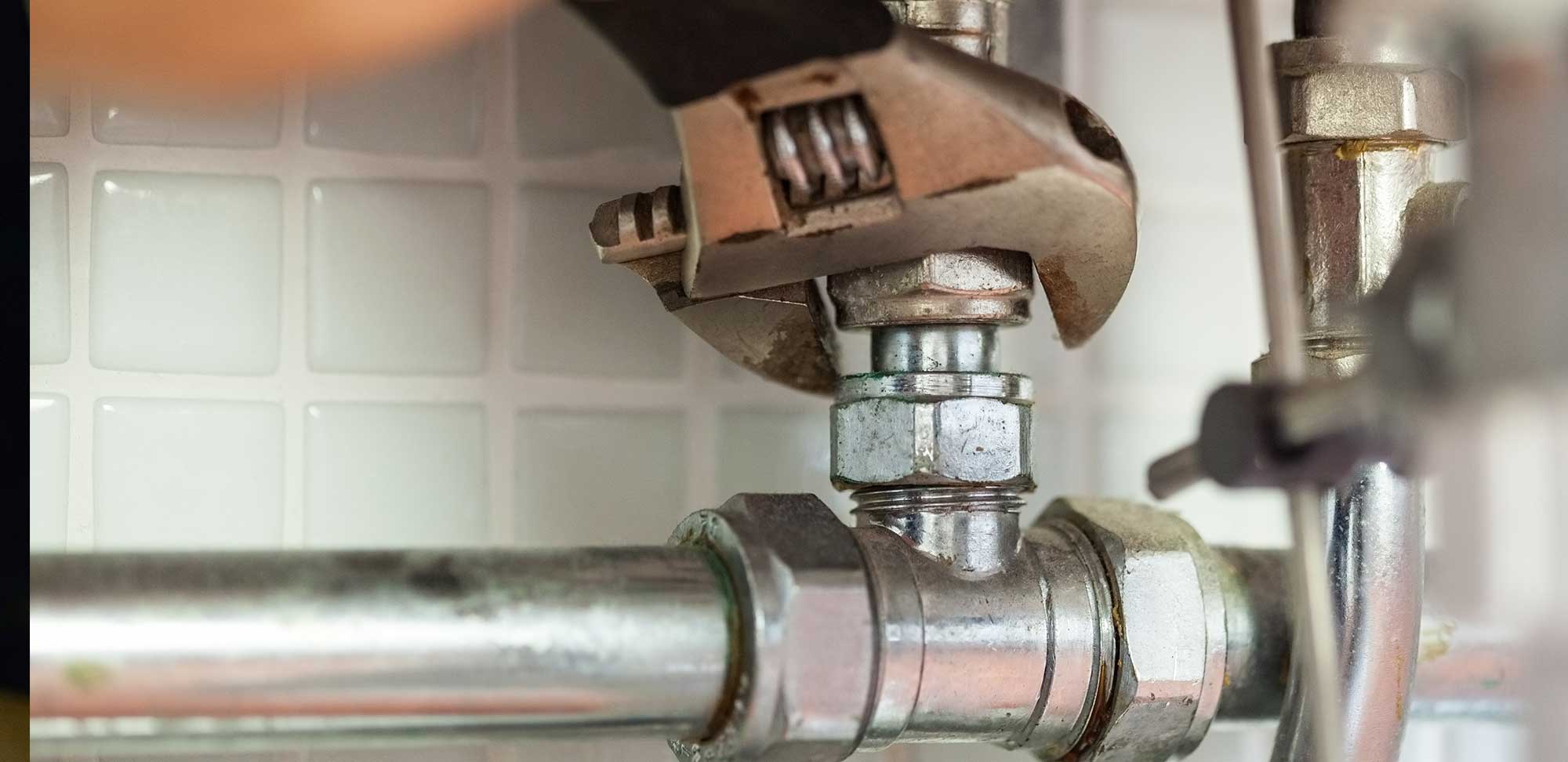
Why pipe problems do not stay small for long
A pipe problem is rarely just about the pipe. Once water starts escaping where it should not, the damage spreads into everything around it. A slow drip under a sink can swell cabinet bases. A pinhole leak in a wall can stain paint, soften drywall, and create a musty smell before the homeowner ever sees the source. A damaged pipe in a crawl space or basement can keep feeding moisture into the structure long after the first warning sign shows up.
That is why good pipe repair work starts with the condition of the line, not just the puddle that showed up. Schneider looks at whether the problem is coming from corrosion, age, freezing, movement at a joint, pressure-related wear, a split section, or a connection that has simply reached the end of its useful life. From there, the goal is to repair what makes sense, explain when a larger section is the smarter fix, and help the homeowner avoid throwing money at the same weak spot over and over again.
Some calls stay small and localized. Others point to a bigger pattern. If the issue is tied to widespread aging pipes, repeated leak history, or failing materials in more than one part of the home, the right next step may be re-piping services. If the damage is tied to a buried supply issue, it may move toward water line repair. If you are still trying to figure out where the moisture is coming from, start with leak detection.
Common signs you may need pipe repair in Seymour, IN
Pipe trouble usually leaves clues before it turns into a major break. The key is paying attention to the pattern instead of waiting for a full-blown flood.
Water stains or bubbling paint
Discoloration on ceilings, walls, or around trim often points to hidden water moving from a leaking pipe inside the structure.
Unexplained spike in water bill
If usage jumps without any real change in routine, a hidden line leak should be on the short list.
Low pressure at fixtures
A damaged line, bad connection, or active leak can affect how consistently water reaches sinks, showers, and appliances.
Visible corrosion or dripping
Green buildup, rusting, damp fittings, and recurring drips under sinks or near shutoffs are early warnings that should not be ignored.
Pipe noise, banging, or rattling
Movement and noise in the plumbing system can point to pressure issues, loose supports, failing components, or lines under stress.
Moisture in basements or crawl spaces
Damp areas around exposed lines, utility rooms, or foundation-adjacent plumbing often show up before a homeowner notices a finished-space problem.
Frozen or burst pipe history
If a home has already had cold-weather pipe trouble, weak sections and repaired spots deserve a closer look before the next temperature swing.
gallons per year can be wasted by the average family’s household leaks
of homes have leaks wasting 50 or more gallons per day
insured homes has a water-damage or freezing property claim
Those numbers are a good reminder that “small leak” and “small cost” are not the same thing once water gets time to spread.
What usually causes pipe damage in a home
Pipe failures are not random. Most come from age, water exposure, movement, temperature stress, or a weak connection that finally gives out.
Corrosion and age
Older lines can thin from the inside, corrode at fittings, or simply reach the point where leaks start appearing one after another.
Freeze damage and expansion
When trapped water expands in cold conditions, it can split piping, stress fittings, or weaken sections that fail later even after the thaw.
Loose joints and worn connections
Shutoffs, flex lines, elbows, tees, valves, and transitions between materials are common places for problems to start.
| Pipe problem | What homeowners often notice | Possible next step |
|---|---|---|
| Pinhole or slow leak | Stains, damp drywall, musty smell, cabinet swelling, higher water bill | Leak Detection followed by targeted repair |
| Cracked or split section | Active water spread, visible dripping, pressure changes, fast-developing damage | Localized repair or replacement of the damaged section |
| Repeated leaks in aging piping | More than one leak over time, patch-after-patch history, corrosion in multiple spots | Re-Piping Services may be the smarter long-term option |
| Buried or service-line damage | Wet yard, pressure loss, unexplained moisture outside or at entry point | Water Line Repair |
| Drain-side issue mistaken for pipe leak | Under-sink moisture, disposal-area staining, backups, recurring drain trouble | Drain Cleaning or Garbage Disposal Repair |
How Schneider approaches pipe repair in Seymour, IN
Find the real failure point
The visible damage is not always the source. Water can travel along framing, piping, and surfaces before it shows itself. The first step is figuring out where the pipe is actually failing.
Decide whether the issue is isolated or part of a pattern
One damaged section is different from a system with aging materials, repeat leaks, or visible corrosion in several locations. That difference changes the recommendation.
Repair what makes sense and explain what does not
Some homes need a direct repair and move on. Others are better served by replacing a larger run or planning ahead for broader piping work before another section gives out.
Pipe repair in Seymour, IN should solve the problem you actually have
That sounds obvious, but plenty of homeowners have lived through the opposite. A line gets patched, then patched again, then something nearby fails because the bigger issue was material age or a bad layout to begin with. Schneider’s job is not just to stop the current drip. It is to help you understand whether this is a one-time fix or a sign the plumbing system needs a more durable plan.
If the line failure is tied to broader fixture trouble, related pages worth reviewing include toilet repair, water heater repair and installation, and sump pump installation when water movement in the home is affecting more than one area.

One homeowner described a major in-home plumbing project where the Schneider team replaced outdated CPVC with modern PEX tubing, replaced an old tub with a standing shower, added a grab bar, installed extra shutoff valves in practical locations, and completed the work in just over 2.5 days. The review also praised the crew for being professional, personable, easy to talk to, and for checking in several times to make sure the work matched exactly what the homeowner wanted.
That kind of review matters on a pipe page because it shows more than technical skill. It shows communication, planning, clean execution, and the ability to handle bigger plumbing work without making the homeowner feel like they are in the dark.
When a pipe repair becomes a bigger planning conversation
Not every leaking line means the whole house needs to be redone. But sometimes homeowners are dealing with more than one problem at once: older materials, inconvenient shutoffs, lines routed through trouble spots, or a history of leaks that keeps coming back in new places. That is when a good plumber should be honest about the difference between a repair that truly solves the issue and a repair that only buys a little time.
The review above is a good example of how that plays out in the real world. Replacing outdated CPVC with PEX, improving shutoff access, and updating plumbing during a larger remodeling project is often a smarter move than waiting for old materials to fail one section at a time. For some homeowners, pipe repair is the immediate need. For others, it is the first sign that a more durable upgrade should be part of the conversation.
If you are not sure where your situation falls, start with this page, then compare it with re-piping services, leak detection, and the broader plumbing services page.
Practical pipe warning signs homeowners should not ignore
Indoor clues
- Recurring dampness under sinks or around shutoffs
- Drywall discoloration, peeling paint, or baseboard swelling
- Sudden change in water pressure at multiple fixtures
- Unexplained mildew smell in bathrooms, utility areas, or near walls
- Warm or damp floor spots where no water should be collecting
Outdoor or structural clues
- Wet patches in the yard without recent rain
- Water appearing near the home’s line entry point
- Moisture in crawl spaces or basements near exposed runs
- Repeat freeze-related trouble in vulnerable sections
- More than one plumbing leak within a relatively short period
Helpful outside resource
The EPA WaterSense program is a credible place for homeowners to learn more about household leak waste, how small plumbing leaks add up, and why early action matters.
Related pages homeowners often need next
- Homepage
- Plumber in Seymour
- Leak Detection
- Water Line Repair
- Re-Piping Services
- Drain Cleaning
- Garbage Disposal Repair
- Toilet Repair
- Water Heater Repair & Installation
- Contact Us
When to call right away
- Water is actively spreading into finished space
- You suspect a burst or cracked line behind a wall
- A repair spot has started leaking again
- Pressure drops suddenly across more than one fixture
- You see moisture near electrical areas, finished ceilings, or flooring seams
Pipe repair in Seymour, IN FAQs
These are the questions homeowners usually ask when they know a line is leaking or failing, but are not sure whether they need a simple repair or something more involved.
What are the most common signs that I need pipe repair in Seymour, IN?
Common signs include water stains, visible drips, damp cabinets, low pressure, pipe noise, moisture in basements or crawl spaces, and water bills that rise without a clear explanation.
Can a small pipe leak really cause major home damage?
Yes. Small leaks often stay hidden longer, which gives water time to spread into drywall, trim, flooring, cabinets, and insulation. The plumbing repair may end up costing less than the damage around it.
How do I know if I need a pipe repair or full re-piping?
If the problem is isolated, a direct repair may be enough. If leaks keep happening in different spots, corrosion is widespread, or the home has aging materials that are failing section by section, broader piping work may be the smarter long-term choice.
Does pipe repair only apply to visible pipes?
No. Many pipe repairs involve hidden sections in walls, ceilings, floors, crawl spaces, basements, or utility areas. The visible stain or puddle is often just the symptom, not the actual failure point.
What should I do if I think a pipe has burst or cracked?
Act quickly. Shut off water if you can do so safely, limit additional fixture use, move belongings away from active water if possible, and call for plumbing service before the damage spreads farther.
Schedule pipe repair in Seymour, IN
If you are dealing with damp walls, hidden leaks, visible pipe damage, repeat plumbing trouble, or a line that just does not seem trustworthy anymore, Schneider Plumbing, Heating & Air Conditioning can help you sort out what is happening and what the right fix should be. The goal is to stop the leak, protect the home, and make sure the repair actually matches the condition of the plumbing system.
Use the contact page to schedule service, visit the plumbing hub for broader service options, read local reviews, or return to the homepage to explore the full company site.