The Schneider Team represents the licensed plumbers and HVAC technicians at Schneider Plumbing, Heating and Air Conditioning, a family-owned business serving Seymour, Indiana since 1948. Founded by Louis Schneider and now run by the third generation of the family, our team combines decades of field experience with a straightforward approach to service. We write to help homeowners understand their systems, spot problems early, and know when it's time to call a professional.
When your air conditioner starts acting up, one of the biggest decisions you will face is whether to repair or replace it. Understanding AC repair vs. replacement cost is essential for making a smart, cost-effective choice that aligns with both your immediate budget and long-term comfort goals. While repairs may seem like the more affordable option upfront, replacement can often deliver greater value over time through improved efficiency, reliability, and performance.
This guide will walk you through the key considerations that homeowners should evaluate when deciding between repairing or replacing an AC system, helping you make a confident and informed decision.
AC Repair vs. Replacement Cost Explained
At first glance, repairing an air conditioner is usually less expensive than replacing it. Minor fixes such as replacing a capacitor, cleaning coils, or fixing a thermostat issue can cost significantly less than installing a brand-new system. However, the true comparison goes beyond the initial price.
Here is how the two options typically differ:
AC Repair Costs
Lower upfront expense
Ideal for minor or isolated issues
Extends the life of your current system
May require repeated service over time
AC Replacement Costs
Higher initial investment
Provides a brand-new, reliable system
Improves energy efficiency and reduces utility bills
Comes with manufacturer warranties and fewer repairs
A helpful rule of thumb many HVAC professionals use is the “5,000 rule.” Multiply the age of your system by the repair cost. If the total exceeds $5,000, replacement is often the better option. For example, a 12-year-old unit needing a $500 repair equals $6,000, suggesting replacement may be more cost-effective.
Ultimately, the decision is not just about today’s cost but also about future savings, reliability, and comfort.
Key Factors That Influence Replacement Decisions
Several important factors can help determine whether repairing or replacing your AC system makes more sense. Evaluating these elements carefully ensures you avoid spending money on short-term fixes when a long-term solution would serve you better.
Age of the System
Most air conditioners have a lifespan of 10 to 15 years. As systems age, they become less efficient and more prone to breakdowns. If your AC unit is approaching or exceeding this range, replacement is often the smarter investment.
Frequency of Repairs
If you find yourself calling for service multiple times each year, those repair costs can quickly add up. Frequent breakdowns are a strong indicator that your system is nearing the end of its usable life.
Cost of the Repair
Not all repairs are equal. Replacing a small component is very different from repairing a compressor or refrigerant leak. Major repairs can cost a significant percentage of a new system, making replacement more appealing.
Energy Efficiency Ratings
Older units typically have lower SEER ratings, meaning they consume more energy to cool your home. Newer systems are designed to be far more efficient, which can lead to substantial savings on monthly utility bills.
Refrigerant Type
If your system uses outdated refrigerants such as R-22, repairs can become more expensive due to limited availability. Upgrading to a modern system using current refrigerants can save money and reduce environmental impact.
AC repair vs. replacement cost for older systems
Older systems present a unique challenge when comparing AC repair vs. replacement cost. While it may be tempting to continue repairing a unit you already own, aging equipment often comes with hidden costs.
Parts become harder to find and more expensive
Efficiency declines, increasing energy bills
Breakdowns become more frequent and less predictable
Repairs may only provide temporary fixes
In many cases, replacing an older system can provide better value over time, even if the upfront cost is higher. Investing in a new unit eliminates the uncertainty and ongoing expenses associated with aging equipment.
How Efficiency Impacts Long-Term Cooling Costs
Energy efficiency plays a major role in the total cost of owning and operating an air conditioning system. While repair costs are immediate, efficiency savings accumulate month after month.
Lower Utility Bills
Modern AC systems are designed to use less energy while delivering better cooling performance. Upgrading to a high-efficiency unit can significantly reduce your electricity usage, especially during peak summer months.
Improved Environmental Impact
Energy-efficient systems reduce your home’s carbon footprint by consuming less power. This not only benefits the environment but can also align with energy-saving incentives or rebates.
Consistent Performance
Newer systems provide more consistent cooling, eliminating hot spots and maintaining a comfortable indoor temperature throughout your home.
Cooling performance and comfort concerns
Beyond cost, comfort is a critical factor when deciding between repair and replacement. An air conditioner that struggles to maintain a consistent temperature can negatively impact your daily life.
Common performance issues include:
Uneven cooling between rooms
Weak airflow or insufficient cooling
Excess humidity indoors
Loud or unusual noises during operation
If your system no longer provides reliable comfort, repairing it may not fully resolve the issue. Replacement can offer a noticeable improvement in both performance and indoor air quality.
Warranty coverage and repair limitations
Warranty coverage is another key consideration when comparing AC repair vs. replacement cost. Understanding what is covered can influence your decision significantly.
New systems often come with manufacturer warranties that cover parts for several years
Some warranties also include labor coverage when installed by certified professionals
Older systems are typically out of warranty, meaning all repair costs are out of pocket
Additionally, certain repairs may not be possible due to discontinued parts or outdated technology. In these situations, replacement may be the only viable option.
Frequently Asked Questions
How do I know if I should repair or replace my AC?
If your system is relatively new and the repair is minor, repairing is usually the best option. However, if the unit is older, inefficient, or requires frequent repairs, replacement may provide better long-term value.
What is the average lifespan of an air conditioner?
Most air conditioning systems last between 10 and 15 years with proper maintenance. After this point, efficiency declines and repair needs increase.
Is it worth repairing a 10-year-old AC unit?
It depends on the cost of the repair and the overall condition of the system. If the repair is inexpensive and the unit is otherwise functioning well, repair may be worthwhile. For larger repairs, replacement is often a better investment.
Will a new AC system lower my energy bills?
Yes. Modern systems are significantly more energy-efficient than older models, which can lead to noticeable savings on monthly utility bills.
How much does AC replacement typically cost?
Costs vary depending on the size of your home, system type, and installation requirements. While the upfront investment is higher than repairs, long-term savings and reliability often justify the expense.
Can I keep repairing my AC indefinitely?
While it is possible to continue repairing an older system, it becomes less practical over time due to increasing costs, reduced efficiency, and declining performance.
Make the Right Choice with Expert Guidance
Choosing between repairing and replacing your air conditioner is not always straightforward. It requires a careful evaluation of costs, system age, efficiency, and comfort needs. Making the right decision can save you money, improve your home’s comfort, and provide peace of mind for years to come.
For homeowners in Jackson and Jennings County, the trusted team at Schneider Plumbing, Heating & Air Conditioning is here to help. With over 70 years of experience, this family-owned company is dedicated to delivering reliable, high-quality HVAC solutions that improve your everyday comfort. Whether you need an honest repair assessment or are considering a full system replacement, their experts will guide you every step of the way.
Contact us today to schedule your service or consultation and experience the difference of working with a team committed to your comfort and satisfaction.
Plumbing problems rarely happen at a convenient time. A dripping faucet or slow drain may seem like a minor annoyance, but other plumbing issues escalate rapidly and require immediate attention. When a pipe bursts, a toilet overflows, or water begins pooling where it should not be, delaying action can lead to structural damage, costly repairs, and even health risks. That is why same-day plumbing repair is essential when urgent plumbing problems occur. Acting quickly allows homeowners to limit water damage, protect their property, and restore normal household function before the situation worsens.
In many cases, plumbing systems are hidden behind walls, beneath floors, and inside ceilings. When a failure occurs, water can travel quickly through structural materials, insulation, and electrical areas. What starts as a small issue in the morning can become a major repair by the evening. Understanding which plumbing problems require immediate service helps homeowners respond quickly and prevent serious complications.
Plumbing Problems That Require Same-Day Plumbing Repair
Some plumbing issues can wait a day or two for service. Others cannot. When water is actively leaking, flooding is occurring, or sanitation is compromised, same-day repair becomes critical. These problems escalate quickly and can damage flooring, drywall, cabinets, and foundations if ignored.
Common plumbing problems that require immediate attention include:
Burst or cracked pipes
Active water leaks inside walls or ceilings
Overflowing toilets that will not stop running
Sewer backups or foul odors coming from drains
Water heater leaks or sudden loss of hot water
Major fixture failures such as broken faucets or shower valves
Sudden drops in water pressure that indicate pipe damage
If any of these situations occur, it is best to contact a professional plumber right away. Fast response prevents the issue from spreading and reduces the risk of more expensive restoration work.
Same-day plumbing repair for active leaks
Active leaks are one of the most urgent plumbing issues homeowners face. Even a small leak can release gallons of water over time, soaking building materials and encouraging mold growth. The longer water continues to escape, the greater the damage becomes.
Signs of an active plumbing leak include:
Water stains on ceilings or walls
Puddles forming near appliances or fixtures
Unexplained increases in water bills
The sound of running water when no fixtures are in use
Damp flooring or warped wood
A leaking pipe inside a wall is especially concerning. Moisture trapped behind drywall can weaken structural materials and create the ideal environment for mold and mildew. Mold growth can begin within 24 to 48 hours after water exposure, which is why immediate plumbing repair is so important.
Professional plumbers use specialized tools such as leak detection equipment, moisture meters, and inspection cameras to identify the exact source of the problem. Once located, they can repair or replace the damaged pipe before the leak spreads further throughout the home.
Overflowing toilets and fixture failures
Few plumbing issues are as stressful as an overflowing toilet. When wastewater begins spilling onto the bathroom floor, it creates both property damage and a potential health hazard. Sewage contains bacteria and contaminants that can make cleanup difficult and unsafe.
Overflowing toilets are commonly caused by:
Severe drain clogs
Blocked sewer lines
Faulty fill valves or flappers
Plumbing vent problems
Similarly, fixture failures such as broken faucets, damaged shower valves, or cracked supply lines can release large amounts of water very quickly. A failed fixture can flood a bathroom or kitchen within minutes if the water supply is not shut off immediately.
Professional plumbers can diagnose the cause of the problem and restore proper function quickly. Same-day plumbing repair prevents ongoing flooding and protects nearby flooring, cabinetry, and drywall.
Risks of Delaying Urgent Plumbing Issues
Waiting too long to address serious plumbing problems can lead to consequences that extend far beyond a simple repair. Water is incredibly destructive when left uncontrolled, and plumbing failures can impact multiple areas of a home at once.
Some of the most significant risks of delaying urgent plumbing issues include the following.
Structural damage to the home
Water can weaken structural components such as wood framing, subfloors, and drywall. Over time, this damage can compromise the stability of walls, ceilings, and floors.
Mold and mildew growth
Excess moisture provides ideal conditions for mold development. Mold spores spread quickly and may trigger allergies, respiratory issues, and unpleasant odors throughout the home.
Electrical hazards
Water leaking near electrical wiring or outlets can create dangerous situations. Electrical systems exposed to moisture may short-circuit or pose a shock risk.
Increased repair costs
What begins as a small leak may eventually require drywall replacement, flooring repairs, mold remediation, and structural restoration. Addressing the problem immediately is far more affordable.
Health concerns from sewage exposure
Sewer backups and overflowing toilets expose households to harmful bacteria and pathogens. Prompt plumbing repair helps restore sanitary conditions quickly.
Plumbing systems are interconnected, which means a failure in one location can impact multiple fixtures and appliances. Acting quickly reduces the likelihood of additional complications developing.
How Same-Day Plumbing Repair Saves Money Long-Term
Homeowners sometimes hesitate to schedule emergency plumbing service because they worry about the immediate cost. However, delaying necessary repairs often leads to far greater expenses later.
Same-day plumbing repair helps save money in several important ways.
Prevents widespread water damage
Addressing leaks immediately limits the amount of water that can soak into building materials. Preventing structural damage avoids costly reconstruction.
Reduces restoration expenses
Water damage restoration may involve drying equipment, mold treatment, and material replacement. Fast plumbing repair reduces the need for these services.
Protects valuable appliances and fixtures
Leaks near water heaters, dishwashers, washing machines, or cabinets can damage these expensive items. Immediate repair protects household investments.
Avoids higher utility bills
Undetected leaks can waste hundreds or even thousands of gallons of water. Fixing the problem quickly keeps water bills under control.
Preserves property value
Homes with unresolved water damage or mold issues may lose value or require extensive repairs before they can be sold. Prompt plumbing service protects the long-term condition of the property.
In many cases, the cost of a same-day plumbing repair is significantly lower than the cost of repairing widespread water damage that develops over time.
Choosing a plumber who offers same-day plumbing repair
When urgent plumbing issues arise, homeowners need a reliable professional who can respond quickly. Choosing the right plumbing company ensures that the problem will be diagnosed accurately and repaired efficiently.
When selecting a plumber for same-day service, consider the following factors:
Experience with emergency plumbing repairs
Fast response times and availability
Proper licensing and insurance
Positive customer reviews and local reputation
Transparent pricing and clear communication
An experienced plumber will arrive prepared with the tools and parts needed to address many common plumbing problems during the same visit. This allows homeowners to restore their plumbing system quickly and minimize disruption to daily life.
Working with a trusted local company also ensures that technicians understand the plumbing systems commonly found in homes throughout the area.
Frequently Asked Questions About Same-Day Plumbing Repair
How do I know if my plumbing issue is an emergency?
If water is actively leaking, flooding is occurring, sewage is backing up, or you have lost access to essential plumbing fixtures, the issue should be addressed immediately. These problems can quickly cause property damage or health risks.
Can a small leak really cause major damage?
Yes. Even small leaks can release significant amounts of water over time. Moisture can spread behind walls and floors, causing structural damage and mold growth if not repaired promptly.
What should I do while waiting for the plumber to arrive?
If possible, shut off the water supply to the affected fixture or to the entire home using the main shutoff valve. Move valuable items away from the leak and try to contain water with towels or buckets.
Is same-day plumbing repair more expensive?
Emergency plumbing service may cost slightly more than scheduled appointments. However, repairing the issue quickly usually saves money by preventing larger repairs and water damage restoration.
How long do most plumbing repairs take?
The time required depends on the type of problem. Minor repairs may take less than an hour, while more complex issues, such as pipe replacements or sewer repairs, may take longer.
Contact Schneider Plumbing, Heating & Air Conditioning for Reliable Same-Day Plumbing Repair
When a plumbing emergency happens, you need a team you can trust to respond quickly and fix the problem correctly. For more than 70 years, Schneider Plumbing, Heating & Air Conditioning has been a dependable plumbing provider helping homeowners throughout Jackson and Jennings County live more comfortably.
As a family-owned HVAC and plumbing company, Schneider Plumbing, Heating & Air Conditioning is committed to improving customers’ lives through dependable service and high-quality workmanship. Our experienced technicians understand how stressful plumbing emergencies can be, and they work quickly to restore safety and comfort to your home.
Whether you are dealing with an active leak, an overflowing toilet, or a sudden plumbing failure, our team is ready to help with professional same-day plumbing repair.
If you need expert plumbing service today, contact us to schedule an appointment with the trusted professionals at Schneider Plumbing, Heating & Air Conditioning. Our experienced team is ready to provide the reliable service your home deserves.
Plumbing problems rarely happen at convenient times. A pipe can burst in the middle of the night, a drain can back up during a family gathering, or a water heater can fail when you need it most. In these situations, emergency plumbing services are essential for protecting your home from extensive water damage and costly repairs. Knowing when a plumbing issue qualifies as an emergency can help homeowners act quickly and avoid serious structural damage, mold growth, and expensive restoration work.
While some plumbing problems can wait for a scheduled appointment, others require immediate professional attention. Ignoring urgent plumbing issues can allow water to spread through walls, floors, and ceilings, creating long term damage that may be difficult and expensive to repair. Understanding the warning signs of a plumbing emergency and knowing who to call can help you minimize damage and restore comfort to your home as quickly as possible.
When Do You Need Emergency Plumbing Services?
Many homeowners struggle to determine whether a plumbing issue truly requires immediate help. Some problems develop gradually and can wait for regular service hours. Others can escalate quickly and threaten your home’s safety and structure.
In general, you should call for emergency plumbing services when a plumbing issue causes active water damage, creates a health hazard, or disrupts essential household systems.
Situations that often require immediate professional assistance include:
Sudden water leaks that cannot be stopped
Flooding caused by broken pipes or plumbing fixtures
Sewage backing up into sinks, tubs, or floor drains
No running water throughout the home
Major water heater leaks or failures
Frozen pipes that have cracked or burst
Severe drain blockages affecting multiple fixtures
When these issues occur, waiting too long to seek help can allow water to spread throughout the home and damage drywall, flooring, insulation, and electrical systems. Professional plumbers have the tools and expertise to quickly identify the source of the problem and stop it before the damage becomes worse.
Emergency plumbing services for burst pipes and flooding
Burst pipes are among the most common and destructive plumbing emergencies homeowners face. When a pipe ruptures, water can pour into your home rapidly, causing extensive flooding in a matter of minutes.
Burst pipes may occur for several reasons, including:
Freezing temperatures that expand water inside pipes
Corrosion in aging plumbing systems
High water pressure stressing pipe connections
Accidental damage during home repairs or renovations
When a pipe bursts, the first step is to shut off the main water supply to prevent additional flooding. After that, contacting emergency plumbing services is critical. Professional plumbers can locate the damaged section of pipe, stop the leak, and perform repairs or replacements quickly.
Fast response is essential because even a small amount of water can cause major problems. Standing water can seep into structural materials and lead to:
Warped flooring
Damaged drywall
Mold and mildew growth
Electrical hazards
Structural deterioration
Emergency plumbers use specialized equipment to repair pipes and minimize water damage, helping homeowners restore their homes faster.
Common Plumbing Emergencies That Can’t Wait
Some plumbing problems might seem minor at first, but can quickly escalate into major emergencies. Recognizing the signs early can help you act quickly and avoid severe damage.
Here are some of the most common plumbing emergencies that require immediate attention.
Sewer backups and severe drain blockages
Sewer backups are one of the most unpleasant and hazardous plumbing emergencies homeowners can experience. When wastewater cannot flow properly through the sewer line, it can back up into sinks, toilets, tubs, or floor drains.
Signs of a sewer backup may include:
Multiple drains clogging at the same time
Sewage odors inside the home
Water backing up in showers or bathtubs when toilets are flushed
Gurgling noises from drains or toilets
Sewage contains harmful bacteria and contaminants that pose serious health risks. Exposure to sewage can lead to illness and contamination of household surfaces.
Emergency plumbing services are necessary in these situations because professional plumbers can safely diagnose the issue and remove the blockage. They may use advanced tools such as drain cameras or hydro jetting equipment to clear the line and restore proper drainage.
Common causes of sewer line blockages include:
Tree roots growing into pipes
Accumulated grease and debris
Flushed wipes or hygiene products
Collapsed or damaged sewer pipes
Because sewer issues can worsen quickly, professional intervention is essential to restore safe and sanitary plumbing conditions.
How fast emergency plumbing services typically respond
One of the biggest advantages of emergency plumbing services is rapid response. Plumbing emergencies can escalate quickly, which is why many professional plumbing companies provide 24-hour support.
Response times may vary depending on location and service availability, but many emergency plumbers aim to arrive within one to two hours of a service call. Fast response allows technicians to assess the problem quickly and begin repairs before damage spreads.
During an emergency service call, professional plumbers typically:
Assess the severity of the problem
Locate the source of the leak or blockage
Shut off water or isolate damaged plumbing lines
Perform immediate repairs or temporary solutions
Recommend permanent repair options if needed
Having experienced technicians handle the problem quickly can significantly reduce the risk of property damage and costly restoration work.
What to Expect from Professional Emergency Plumbers
Calling a professional during a plumbing emergency can feel stressful, especially if the issue occurs late at night or during a holiday. Understanding what emergency plumbers do during a service visit can help homeowners feel more prepared and confident.
Professional emergency plumbing services focus on fast diagnosis, damage prevention, and safe repairs.
Here is what homeowners can typically expect when an emergency plumber arrives.
Rapid inspection and diagnosis
The plumber will first inspect the affected area to determine the cause of the problem. They may use specialized diagnostic tools such as leak detection equipment, pipe cameras, or pressure gauges to identify hidden issues.
Immediate damage control
Stopping the source of water is the top priority. Plumbers may shut off valves, repair broken pipes, or temporarily seal leaks to prevent additional flooding.
Professional repair solutions
Once the immediate threat is under control, the plumber will complete necessary repairs or replacements. Depending on the situation, this may involve fixing pipes, clearing drains, replacing fixtures, or repairing water heaters.
Expert recommendations
Emergency plumbers often provide guidance on preventing similar problems in the future. This may include advice on pipe insulation, drain maintenance, or plumbing system upgrades.
Working with experienced professionals ensures repairs are completed safely and effectively, giving homeowners peace of mind during stressful situations.
Preventing Future Plumbing Emergencies
Although some plumbing emergencies occur unexpectedly, many can be prevented with routine maintenance and early problem detection.
Homeowners can reduce the risk of plumbing emergencies by taking proactive steps, such as:
Scheduling regular plumbing inspections
Insulating exposed pipes before winter
Avoiding flushing wipes, grease, or food waste
Monitoring water pressure levels
Repairing small leaks promptly
Routine maintenance allows plumbers to detect issues before they turn into emergencies. Preventive care helps protect your home while extending the lifespan of your plumbing system.
FAQ About Emergency Plumbing Services
What qualifies as a plumbing emergency?
A plumbing emergency typically involves active water leaks, flooding, sewage backups, or loss of water that threatens your home or health. These issues require immediate professional assistance to prevent property damage.
Should I turn off the water before calling a plumber?
Yes. If possible, shutting off the main water supply can help stop flooding and limit damage. Once the water is off, you should contact emergency plumbing services right away.
Are emergency plumbing services available at night?
Many professional plumbing companies offer 24-hour emergency service. This allows homeowners to get help during nights, weekends, and holidays when urgent plumbing issues occur.
How can I reduce damage while waiting for a plumber?
You can minimize damage by turning off the main water supply, moving valuables away from affected areas, and placing buckets or towels to collect leaking water.
Are emergency plumbing repairs more expensive?
Emergency service may include additional fees due to after-hours response. However, fast repairs often save homeowners money by preventing larger water damage and costly restoration work.
Protect Your Home with Trusted Plumbing Experts
Plumbing emergencies can happen at any time, and when they do, fast professional help is essential. Acting quickly can prevent extensive water damage, protect your home’s structure, and save thousands of dollars in repair costs. Reliable emergency plumbing services ensure that burst pipes, sewer backups, and severe leaks are handled safely and efficiently.
For homeowners in Jackson and Jennings County, Schneider Plumbing, Heating & Air Conditioning has been the trusted choice for dependable plumbing solutions for more than 70 years. As a family-owned company, our team is dedicated to helping neighbors live more comfortably at home with expert plumbing, heating, and cooling services.
If you are dealing with a plumbing emergency or want to protect your home with professional service, contact us today. Our experienced technicians are ready to provide the fast, reliable help you need when it matters most.
Modern homeowners are looking for smarter ways to lower monthly expenses, reduce resource use, and create more comfortable living spaces. One of the most effective and often overlooked upgrades is installing energy-efficient plumbing fixtures. These advanced fixtures are designed to reduce water consumption and the energy required to heat and move water throughout your home. By choosing the right fixtures, families can enjoy dependable performance while shrinking utility bills and minimizing environmental impact. As awareness grows around sustainability and long-term home value, upgrading plumbing fixtures has become a practical investment rather than a luxury.
Energy-efficient plumbing fixtures are not just about saving water. They help reduce energy demand, protect local water supplies, and support a healthier home environment. With improved designs, better materials, and smarter engineering, today’s fixtures deliver comfort and convenience without sacrificing performance. Whether you are remodeling a bathroom, replacing aging fixtures, or building a new home, understanding how these products work and what benefits they offer can help you make confident, cost-effective decisions.
What Makes a Plumbing Fixture Energy Efficient?
Not all plumbing fixtures are created equal. Energy efficiency in plumbing is driven by how much water a fixture uses, how effectively it performs its job, and how it interacts with other systems like water heaters and pumps. Efficient fixtures are engineered to use less water per use while maintaining strong pressure and reliability.
Several characteristics define an energy-efficient plumbing fixture:
Reduced water flow rates that meet or exceed federal efficiency standards.
Smart design features that optimize water delivery, such as aerators or pressure balancing valves.
Compatibility with high-efficiency water heaters and recirculation systems.
Durable construction that reduces leaks, repairs, and premature replacements.
Low-flow technology plays a major role. By limiting gallons per minute or gallons per flush, fixtures reduce the amount of hot water needed, which directly lowers energy consumption. For example, heating water accounts for a significant portion of household energy use. When less hot water is required for daily tasks like washing hands or showering, energy savings add up quickly.
Many energy-efficient fixtures are also certified by programs like WaterSense. These certifications ensure products meet strict performance and efficiency criteria, giving homeowners confidence that they are making responsible choices. Over time, these efficiencies help protect both household budgets and natural resources.
The Top Energy Efficient Plumbing Upgrades
Upgrading your plumbing does not require a complete overhaul to see meaningful benefits. Strategic improvements can deliver immediate savings and long-lasting value. Homeowners often start with fixtures that are used daily, since even small efficiency gains multiply with frequent use.
Popular energy-efficient plumbing upgrades include:
High-efficiency toilets designed to use significantly less water per flush.
Low-flow faucets in kitchens and bathrooms.
Water-saving showerheads that maintain comfort while reducing flow.
Tankless or high-efficiency water heaters that heat water only when needed.
Smart leak detection and monitoring systems that prevent water waste.
These upgrades can be completed individually or as part of a larger home improvement project. A professional plumber can help assess which fixtures will provide the greatest return based on household size, usage patterns, and existing plumbing infrastructure.
Low-Flow Faucets and Dual-Flush Toilets
Among the most impactful upgrades are low-flow faucets and dual flush toilets. Faucets equipped with aerators mix air with water, creating a strong, consistent stream while using less water. This technology is especially effective in bathrooms and kitchens where faucets are turned on and off throughout the day.
Benefits of low-flow faucets include:
Reduced water use without compromising functionality.
Lower energy demand from water heaters.
Simple installation and broad style options.
Dual flush toilets offer two flushing options, one for liquid waste and one for solid waste. This allows users to select the appropriate amount of water for each flush, reducing unnecessary water use. Compared to older toilets, dual flush models can save thousands of gallons of water per year in a typical household.
These fixtures are particularly valuable in busy homes, where frequent use can otherwise drive up utility costs. Over time, the savings from reduced water and energy use can offset the initial investment.
Partnering with Eco-Friendly Plumbing Pros
Choosing the right fixtures is only part of the equation. Proper installation and system integration are essential to achieving maximum efficiency. Working with eco-friendly plumbing professionals ensures that upgrades are installed correctly and optimized for your home’s specific needs.
Experienced plumbers can:
Recommend fixtures that align with efficiency goals and local regulations.
Ensure proper sizing and installation to prevent leaks and pressure issues.
Identify additional opportunities to improve water and energy performance.
Provide ongoing maintenance to extend the life of your fixtures.
A professional approach helps avoid common pitfalls, such as mismatched components or improper installation, which can reduce efficiency and lead to costly repairs. Partnering with knowledgeable plumbers also gives homeowners peace of mind that their upgrades will deliver lasting value.
Long-Term Savings and Sustainability Benefits
One of the most compelling reasons to invest in energy-efficient plumbing fixtures is the long-term financial benefit. While efficient fixtures may have a higher upfront cost, the reduction in monthly water and energy bills often leads to significant savings over time. These savings are especially noticeable as utility rates continue to rise.
Long-term benefits include:
Lower water bills due to reduced consumption.
Decreased energy costs from heating less water.
Reduced strain on plumbing systems, leading to fewer repairs.
Increased home value and appeal to environmentally conscious buyers.
Beyond personal savings, efficient plumbing supports broader sustainability goals. Conserving water helps protect local watersheds and reduces the energy required for water treatment and distribution. By using less energy, households also lower greenhouse gas emissions associated with power generation.
Energy-efficient plumbing fixtures contribute to a more resilient home. During periods of drought or high demand, homes with efficient fixtures are better equipped to manage limited resources without sacrificing comfort. This resilience is becoming increasingly important as communities adapt to changing environmental conditions.
Rebates for Energy-Efficient Plumbing Upgrades
Many homeowners are surprised to learn that rebates and incentives are often available for installing energy-efficient plumbing fixtures. Utility companies, municipalities, and state programs frequently offer financial incentives to encourage conservation.
Potential incentives may include:
Rebates for WaterSense-certified toilets and faucets.
Discounts on high-efficiency water heaters.
Tax credits for qualifying energy-saving home improvements.
These programs can significantly reduce the upfront cost of upgrades, making efficiency improvements more accessible. A knowledgeable plumbing professional can help identify available rebates and ensure that installations meet program requirements.
Taking advantage of incentives not only saves money but also accelerates the return on investment. Homeowners who combine rebates with long-term utility savings often see payback sooner than expected.
Making the Smart Choice for Your Home
Selecting energy-efficient plumbing fixtures is a proactive step toward a more comfortable, cost-effective, and sustainable home. With modern designs and proven technologies, today’s fixtures make it easier than ever to reduce water and energy use without compromising performance.
When planning upgrades, consider factors such as household usage, existing plumbing systems, and long-term goals. Consulting with trusted professionals ensures that every decision is informed and aligned with your needs. From small fixture replacements to comprehensive system upgrades, each improvement contributes to meaningful savings and environmental stewardship.
For homeowners in Jackson and Jennings County, working with a local, experienced provider makes all the difference. Schneider Plumbing, Heating & Air Conditioning has proudly served the community for over 70 years, helping friends and neighbors live more comfortably at home. As a family-owned HVAC and plumbing company, we are committed to improving customers’ lives through quality heating, cooling, and plumbing services. Our mission is to provide the highest level of service whenever expert help is needed.
If you are ready to explore energy-efficient plumbing upgrades, now is the perfect time to act. Contact us to schedule a consultation and discover how modern plumbing solutions can lower your bills, enhance comfort, and support a more sustainable future for your home.
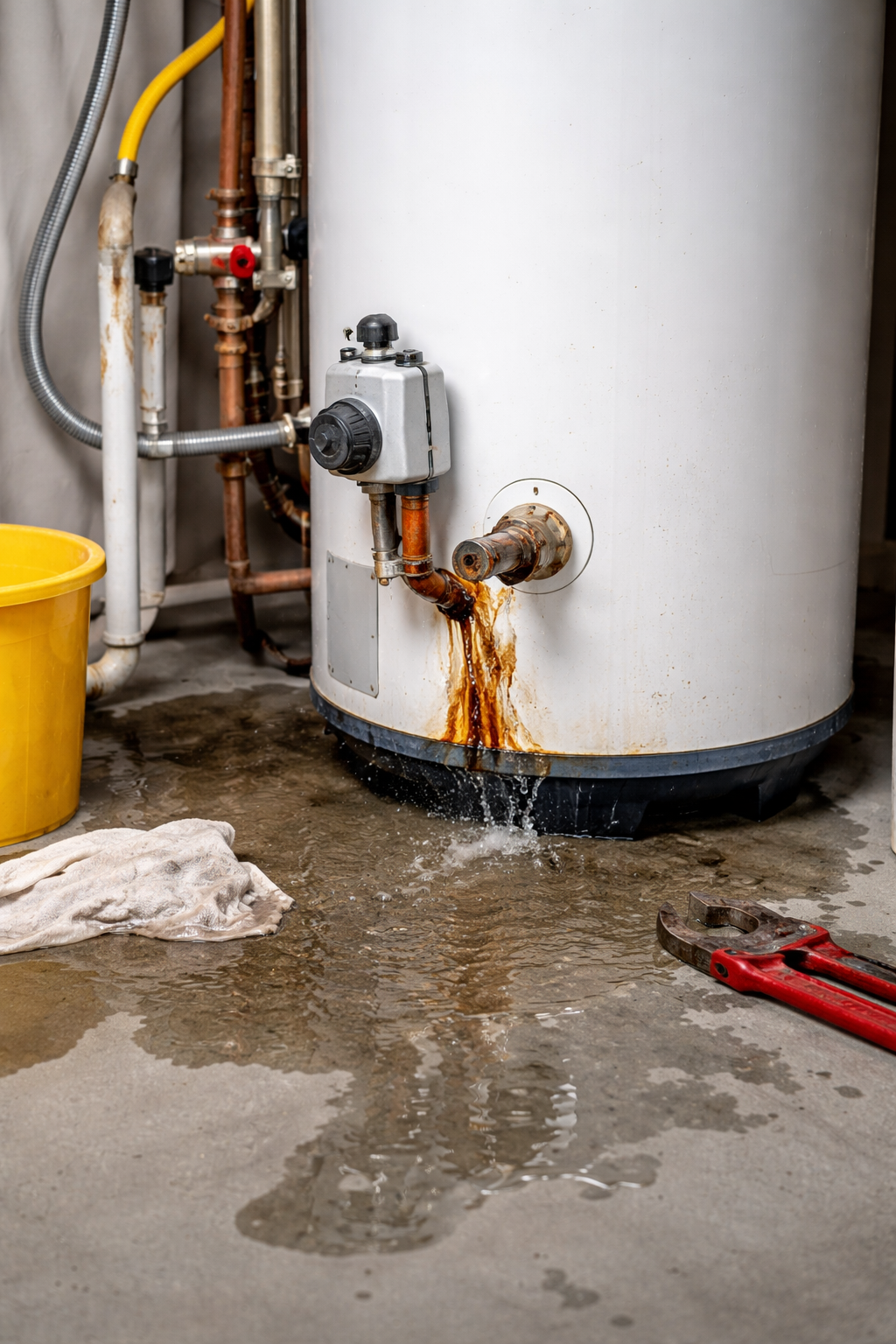
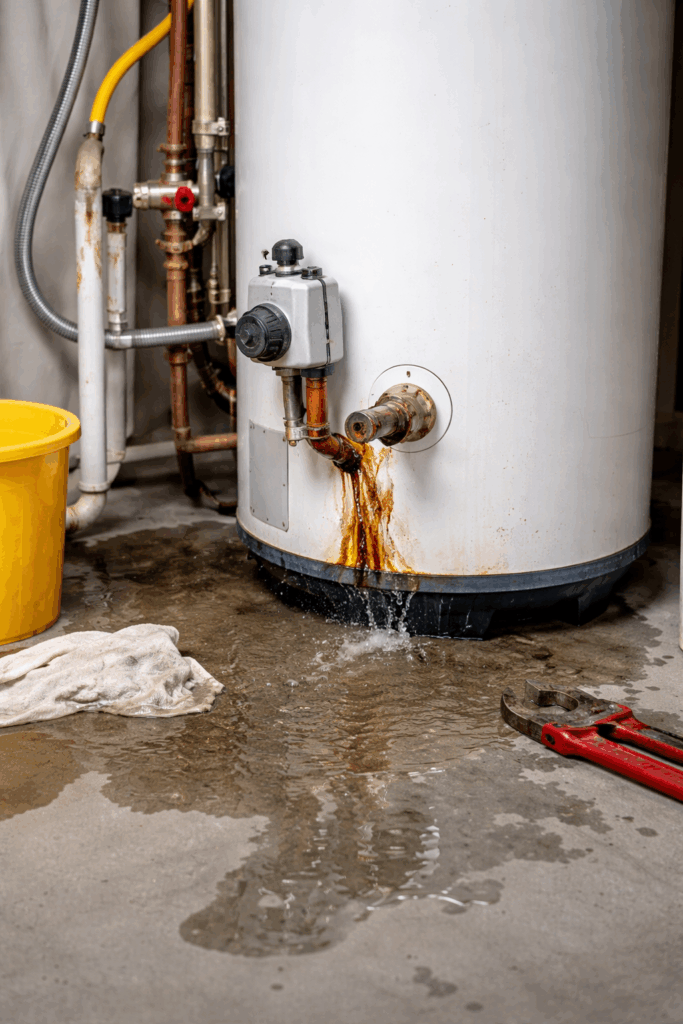
A leaking water heater is more than just an inconvenience. It can lead to water damage, higher utility bills, mold growth, and in severe cases, complete system failure. Understanding leaking water heater causes is the first step in protecting your home and knowing when a simple repair will solve the problem or when it is time to replace the unit altogether. Water heaters are built to be durable, but constant exposure to heat, pressure, and minerals in the water supply means wear and tear is inevitable over time. By recognizing the warning signs early and responding appropriately, homeowners can avoid costly emergencies and extend the life of their system.
Why Water Heaters Leak in the First Place
Water heaters operate under conditions that naturally stress their components. Inside the tank, water is constantly heated and reheated, causing metal parts to expand and contract. Over years of use, this process weakens seals, fittings, and the tank itself. Add in mineral-rich water, fluctuating water pressure, and regular daily use, and it becomes clear why leaks are a common issue.
Another key reason water heaters leak is age. Most traditional tank-style water heaters last between eight and twelve years. As the unit approaches or exceeds this range, the risk of leaks increases significantly. Internal parts may corrode, valves may fail, and the protective lining inside the tank can break down. While regular maintenance helps slow these processes, it cannot stop them entirely.
Improper installation can also play a role. If connections are not tightened correctly or if the unit is not installed to code, leaks may develop much sooner than expected. In some cases, leaks that appear to be coming from the tank are actually the result of nearby plumbing components failing, which is why professional inspection is so important.
Common Leaking Water Heater Causes
Several specific issues commonly lead to water heater leaks. Some are relatively minor and easy to fix, while others signal a more serious problem.
One of the most frequent causes is corrosion inside the tank. Water naturally contains minerals, and over time, these minerals settle at the bottom of the tank. This sediment can damage the tank lining, allowing rust to form. Once corrosion eats through the metal, the tank will begin to leak, and replacement is usually the only option.
Loose or damaged plumbing connections are another common culprit. The cold water inlet and hot water outlet pipes are connected to the top of the tank using fittings that can loosen over time due to vibration and thermal expansion. Even a small gap can allow water to escape.
Faulty valves are also a frequent source of leaks. Water heaters rely on several valves to operate safely, including the temperature and pressure relief valve and the drain valve. If these components fail, water can leak from the bottom or side of the unit.
Other common leaking water heater causes include:
A cracked tank caused by thermal stress or freezing temperatures
Excessive water pressure that strains internal components
A worn-out anode rod that no longer protects the tank from corrosion
Improper maintenance leading to sediment buildup
Understanding which of these issues is affecting your water heater is essential for determining the right solution.
Checking Connections and Drain Valves
When a leak is discovered, one of the first areas to inspect is the connections and valves. Leaks from the top of the water heater often point to loose or damaged fittings. In many cases, tightening the connections or replacing a worn washer can stop the leak. However, overtightening can cause further damage, so care is required.
The drain valve located near the bottom of the tank is another frequent trouble spot. This valve is used during maintenance to flush sediment from the tank, but over time, it can wear out or become clogged with debris. A faulty drain valve may drip continuously or leak when the tank is under pressure. Replacing the valve is typically straightforward and relatively inexpensive when compared to replacing the entire unit.
It is important to turn off the power or gas supply and the water supply before attempting any inspection or repair. Water heaters combine electricity or gas with water, which can be dangerous without proper precautions. If there is any uncertainty, contacting a licensed plumber is the safest course of action.
The Role of Sediment and Rust Buildup
Sediment buildup plays a major role in many water heater problems, including leaks. As minerals settle at the bottom of the tank, they form a thick layer that insulates the water from the heating element or burner. This forces the system to work harder to heat the water, increasing energy usage and accelerating wear.
Over time, sediment can cause hot spots within the tank, leading to cracks or weakened metal. Rust develops when the anode rod, a sacrificial component designed to corrode instead of the tank, is depleted. Once the anode rod is no longer effective, corrosion attacks the tank itself.
Regular maintenance, such as flushing the tank and inspecting the anode rod, can significantly reduce the risk of sediment-related leaks. Homeowners who skip maintenance often face premature failure, even if the water heater is relatively young.
Repair vs Replacement: What’s the Best Fix?
Deciding whether to repair or replace a leaking water heater depends on several factors, including the age of the unit, the source of the leak, and the overall condition of the system. Some leaks are minor and can be resolved quickly, while others indicate that the water heater is nearing the end of its lifespan.
Repairs make sense when the leak originates from a replaceable component, such as a valve or fitting, and the tank itself is in good condition. In these cases, a professional repair can restore normal operation and extend the life of the unit for several more years.
Replacement becomes the better option when the tank is leaking due to corrosion or structural damage. Once the tank itself fails, repairs are not effective or safe. Continuing to operate a leaking tank can result in flooding or water damage to surrounding areas.
Factors to consider when choosing between repair and replacement include:
The age of the water heater
The cost of the repair compared to replacement
Energy efficiency of the existing unit
Frequency of past repairs
Household hot water demands
A professional plumber can evaluate these factors and provide guidance tailored to your specific situation.
When Replacement Is More Cost-Effective
There are times when replacing a water heater is the most practical and economical choice. If the unit is more than ten years old and experiencing leaks, replacement is often recommended. Older units are less energy efficient and more prone to additional failures, which can lead to repeated repair costs.
Modern water heaters offer improved efficiency, better temperature control, and advanced safety features. Upgrading to a newer model can reduce energy bills and provide more consistent hot water. In some cases, switching to a tankless system may be an option, depending on household needs and plumbing configuration.
Replacement is also more cost-effective when a major component fails. For example, if corrosion has compromised the tank or if multiple components need replacement, the combined cost of repairs may approach or exceed the price of a new unit. Investing in a new water heater provides peace of mind and often comes with a manufacturer’s warranty.
Safety is another important consideration. A leaking water heater can create electrical hazards, damage floors and walls, and promote mold growth. Replacing an unreliable unit reduces these risks and helps protect your home.
Preventing Future Water Heater Leaks
While not all leaks can be prevented, regular maintenance goes a long way toward reducing risk. Annual inspections by a qualified plumber can identify early signs of wear and address small issues before they become major problems. Simple steps like flushing the tank, checking the anode rod, and testing the pressure relief valve help maintain system health.
Homeowners should also pay attention to warning signs such as discolored water, unusual noises, or fluctuating water temperatures. These symptoms often appear before a leak develops and should prompt a professional evaluation.
Installing a drip pan and leak detection device can provide additional protection, especially in finished spaces or areas where water damage would be costly. These measures do not prevent leaks but can minimize damage and alert homeowners quickly.
Call a Trusted Local Expert
If you are dealing with a leaking water heater or want to prevent future problems, professional help makes all the difference. Schneider Plumbing, Heating & Air Conditioning has proudly served Jackson and Jennings County for over 70 years, helping families stay comfortable and safe in their homes. As a family-owned HVAC and plumbing company, we are committed to delivering reliable service, honest recommendations, and quality workmanship every time. Whether you need a minor repair, routine maintenance, or a full water heater replacement, our experienced team is ready to help. Contact us to schedule service and experience the highest level of care from trusted local experts.