

Furnace Making a Rattling Noise? Causes You Shouldn’t Ignore
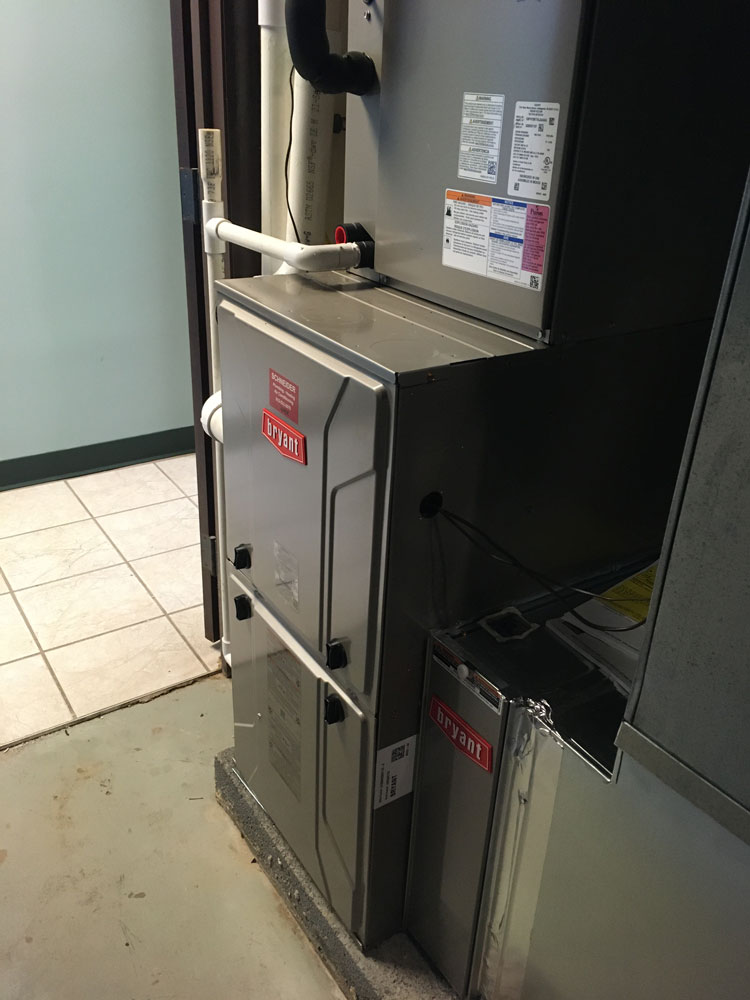
A furnace making a rattling noise can be more than a minor household annoyance. While some furnace sounds are normal during startup and shutdown, persistent rattling often points to loose parts, airflow problems, worn components, or more serious internal damage. In some cases, the noise may even signal a safety concern that should be addressed before the system continues running. Understanding what causes furnace rattling can help homeowners respond quickly, prevent expensive repairs, and protect their home’s heating system from avoidable failure.
When temperatures drop, your furnace becomes one of the most important systems in your home. It keeps your living spaces warm, supports indoor comfort, and helps protect plumbing, flooring, and other household materials from cold-related issues. Because the furnace plays such a critical role, unusual noises should never be ignored. A rattle may start small, but if the underlying issue worsens, it can lead to broken components, reduced efficiency, poor heating performance, or even a complete system shutdown.
Below, we’ll explain what rattling furnace noises may mean, the mechanical issues that can cause them, how to reduce the risk of furnace damage, and when it’s time to call a professional HVAC technician.
What a Furnace Making a Rattling Noise Means
A rattling noise usually means something inside or around the furnace is loose, vibrating, worn, or out of balance. Furnaces contain several moving and non-moving parts that must stay properly secured for the system to operate safely and efficiently. When one of those parts shifts out of place, loosens over time, or begins to fail, the furnace may make a rattling, clanking, vibrating, or shaking sound.
Some rattling sounds are relatively simple to resolve. For example, a loose access panel may vibrate when the blower motor turns on. In other situations, the sound may indicate a more serious issue, such as a failing blower wheel, damaged motor bearing, cracked heat exchanger, or loose internal hardware.
A furnace may rattle during:
- Startup
- Shutdown
- Continuous heating cycles
- Blower operation
- High airflow periods
- Ignition or burner operation
The timing of the noise can help identify the cause. A rattle that happens only when the blower starts may point to blower assembly issues. A rattle during ignition could be related to burner components. A constant vibration throughout the heating cycle may be caused by loose panels, ductwork, or internal parts.
It’s also important to pay attention to where the noise seems to come from. Rattling near the furnace cabinet may suggest loose exterior panels. Rattling from the duct system may indicate loose metal ductwork. Rattling from deep inside the furnace should be inspected promptly because internal furnace components are not always safe or simple for homeowners to access.
Ignoring furnace rattling can be risky because the underlying problem rarely fixes itself. Loose parts can become looser. Worn bearings can fail. Vibrations can damage nearby components. Airflow problems can strain the blower motor. What begins as an irritating sound can eventually become a costly repair.
Furnace making a rattling noise from loose panels
One of the most common reasons for a furnace making a rattling noise is a loose panel or cover. Furnace access panels are designed to protect internal components, help guide airflow, and keep the unit operating as intended. If a panel is not fully secured, it may vibrate when the furnace turns on.
Loose panels can happen for several reasons:
- The panel was not reattached properly after filter replacement
- Screws have loosened over time
- The furnace cabinet has shifted slightly
- Repeated vibration has caused the panel to move
- The panel is bent, dented, or misaligned
This type of rattling may sound like a light metallic vibration. It may become louder when the blower motor runs because airflow and motor vibration can cause the loose panel to shake against the furnace cabinet.
Homeowners can sometimes identify this issue by carefully looking at the outside of the furnace. If a panel appears uneven, loose, or not fully latched, that may be the source of the sound. However, the furnace should be turned off before touching panels or attempting basic visual checks. If the panel does not secure easily or the rattling continues after it is properly closed, it’s best to schedule a professional inspection.
Loose panels may seem minor, but they should still be corrected. A poorly secured furnace panel can affect airflow, expose components to dust, or allow vibration to continue spreading through the system. Over time, constant vibration can loosen other parts and contribute to additional wear.
Mechanical Issues That Cause Rattling Sounds
While loose exterior panels are common, many rattling noises come from mechanical problems inside the furnace. These issues are often more serious because they involve components that directly affect heating performance, airflow, ignition, or system safety.
Blower motor and internal component failures
The blower motor is responsible for moving heated air through your ductwork and into your home. Because this part runs frequently during the heating season, it can develop wear over time. If the blower motor or blower wheel becomes loose, damaged, or unbalanced, the furnace may produce a noticeable rattling or banging sound.
Common blower-related causes include:
- Loose blower wheel
- Worn motor bearings
- Bent blower fan blades
- Debris caught in the blower assembly
- Loose mounting bolts
- Motor imbalance
- Failing belt in older furnace models
A blower wheel that is loose or off balance can shake while spinning. This creates vibration that may sound like rattling inside the furnace cabinet. If the problem worsens, the blower may scrape, bang, or stop moving air properly. Reduced airflow can cause uneven heating, longer run times, higher energy use, and overheating inside the furnace.
Worn motor bearings can also create rattling, grinding, or squealing noises. Bearings help the motor operate smoothly. When they wear out, the motor may struggle, vibrate, or eventually fail. A failing blower motor is not something homeowners should ignore because it can leave the furnace unable to circulate warm air.
Other internal components can rattle as well. Burners, screws, brackets, wiring, and heat shields must remain secure during operation. If any of these components loosen, they can vibrate when the furnace runs. In some cases, rattling may come from debris inside the furnace cabinet, such as a small object, a piece of insulation, or a broken component fragment.
A cracked heat exchanger can also create unusual noises, including rattling, clicking, or popping. This is a serious safety concern because the heat exchanger separates combustion gases from the air that circulates through your home. If it is damaged, carbon monoxide exposure may become a risk. Not every rattling sound indicates a cracked heat exchanger, but because the possibility is serious, unexplained furnace noises should always be evaluated by a trained HVAC professional.
Ductwork may also be part of the problem. Metal ducts naturally expand and contract as warm air moves through them. This can sometimes cause popping or ticking. However, rattling ductwork may indicate loose connections, unsupported sections, or excessive airflow pressure. If duct rattling is caused by system imbalance or airflow restriction, the furnace may be working harder than necessary.
Mechanical rattling can be caused by several conditions, including:
- Loose internal fasteners
- Damaged blower wheel
- Motor wear
- Worn bearings
- Debris in the furnace cabinet
- Loose ductwork
- Expanding and contracting sheet metal
- Failing ignition or burner components
- Cracked or damaged heat exchanger
- Airflow restrictions
Because many of these problems happen inside the furnace, professional diagnosis is the safest and most reliable option. HVAC technicians have the tools, training, and experience to inspect internal components without damaging the system or creating safety hazards.
How to Prevent Furnace Damage
Preventing furnace damage starts with responding to unusual noises early. A rattling furnace is often a warning sign that the system needs attention. The sooner the source of the sound is identified, the easier it may be to prevent larger problems.
Homeowners can take several steps to reduce the risk of furnace damage:
- Replace the air filter regularly
- Keep return and supply vents open and clear
- Avoid storing items too close to the furnace
- Listen for changes in furnace sounds
- Schedule annual heating maintenance
- Keep the area around the furnace clean
- Make sure access panels are properly secured
- Call for service when noises persist or worsen
A dirty air filter is one of the simplest problems to prevent, but it can have a major impact on furnace performance. When the filter becomes clogged, airflow is restricted. This forces the blower motor to work harder, increases strain on the system, and may contribute to overheating or vibration. Replacing filters according to the manufacturer’s recommendations can help protect the blower motor and improve indoor comfort.
Blocked vents can create similar problems. When furniture, rugs, curtains, or other items block airflow, pressure can build within the duct system. This may cause ducts to rattle or make the furnace run longer to heat the home. Keeping vents open and unobstructed supports balanced airflow and helps the furnace operate more efficiently.
Annual furnace maintenance is one of the best ways to prevent rattling noises and system damage. During a maintenance visit, an HVAC technician can inspect the furnace, tighten loose parts, clean key components, check airflow, test safety controls, and look for signs of wear. This proactive service can catch small problems before they become major repairs.
Maintenance is especially important before the heating season begins. A furnace that has been sitting unused for months may have dust buildup, loose panels, worn components, or other issues that become noticeable once the system starts running regularly again.
Homeowners should also avoid delaying service when the furnace makes new or unusual sounds. Rattling that continues after checking the exterior panel or replacing the air filter should be inspected. Waiting too long may allow damage to spread from one component to another. For example, a loose blower wheel can damage the motor shaft, housing, or surrounding parts if it continues operating while unbalanced.
Why professional furnace inspection matters
A professional furnace inspection is important because rattling noises can have many causes, and not all of them are visible from the outside. While a homeowner may be able to notice a loose panel or dirty filter, internal problems require specialized knowledge and equipment.
During a professional inspection, an HVAC technician may check:
- Furnace cabinet panels and fasteners
- Blower motor condition
- Blower wheel alignment
- Motor bearings
- Burner assembly
- Heat exchanger condition
- Ignition system
- Electrical connections
- Safety switches
- Airflow levels
- Ductwork connections
- Filter condition
- Signs of overheating or wear
This detailed approach helps identify both the immediate cause of the rattling and any related issues that could affect system performance. For example, the noise may come from the blower assembly, but the root cause may be restricted airflow due to a clogged filter or duct problem. Addressing only the noise without correcting the underlying issue may lead to repeat repairs.
Professional service is also essential for safety. Furnaces that burn natural gas, propane, or oil involve combustion. Problems with burners, venting, or the heat exchanger can create serious risks. A trained technician can test the system safely and determine whether it is operating within acceptable limits.
Homeowners should turn off the furnace and call for service right away if rattling is accompanied by:
- Burning odors
- Gas smells
- Frequent cycling
- Weak airflow
- No heat
- Loud banging
- Yellow or flickering pilot flame
- Carbon monoxide detector alerts
- Visible damage to the furnace
- Smoke or electrical smells
These symptoms may indicate a more urgent issue that requires immediate attention. If you smell gas, leave the home and contact your gas utility or emergency services before calling for HVAC repair.
Even when the noise seems minor, professional inspection provides peace of mind. A technician can determine whether the furnace needs a simple adjustment, component replacement, cleaning, or more extensive repair. In some cases, especially with older systems, recurring rattling may indicate that the furnace is nearing the end of its service life. A professional can help you understand whether repair or replacement is the better long-term option.
FAQ
Why is my furnace making a rattling noise?
A furnace may rattle because of loose access panels, unsecured internal parts, blower motor problems, ductwork vibration, debris inside the cabinet, or worn mechanical components. If the sound continues or gets louder, schedule a professional inspection.
Is a rattling furnace dangerous?
A rattling furnace is not always dangerous, but it can be. Some causes are minor, such as a loose panel. Others may involve failing internal parts, combustion issues, or a cracked heat exchanger. Because safety risks are possible, unexplained rattling should not be ignored.
Can I keep running my furnace if it rattles?
It depends on the severity and cause of the noise. If the rattling is light and you can confirm it is from a loose exterior panel, securing the panel may resolve it. If the sound is loud, persistent, or coming from inside the unit, turn the system off and call an HVAC professional.
How do I know if the blower motor is causing the rattling?
Blower motor issues often create rattling, grinding, humming, or vibration when the fan runs. You may also notice weak airflow, uneven heating, or longer heating cycles. A technician can inspect the blower motor, wheel, bearings, and mounting hardware to confirm the cause.
Can dirty filters cause rattling furnace noises?
A dirty filter may not directly rattle, but it can restrict airflow and strain the blower motor. This extra strain may contribute to vibration, overheating, and unusual system noises. Regular filter replacement helps protect the furnace from unnecessary wear.
How often should I schedule furnace maintenance?
Most homeowners should schedule furnace maintenance once a year, ideally before the heating season. Annual maintenance helps identify loose parts, airflow problems, worn components, and safety concerns before they lead to breakdowns.
When should I replace my furnace instead of repairing it?
Replacement may be worth considering if your furnace is older, needs frequent repairs, struggles to heat your home, makes recurring loud noises, or has a major safety issue such as a cracked heat exchanger. An HVAC professional can help compare repair costs with replacement options.
Call Schneider Plumbing, Heating & Air Conditioning for Furnace Service
If your furnace is rattling, don’t wait for the problem to turn into a breakdown. Schneider Plumbing, Heating & Air Conditioning is here to help homeowners throughout Jackson and Jennings County stay safe, warm, and comfortable. For over 70 years, our team has been a reliable plumber and HVAC company helping friends and neighbors live more comfortably at home.
As a family-owned HVAC company, we are committed to improving customers’ lives through quality heating, cooling, and plumbing services. Whether your furnace needs a simple adjustment, a detailed inspection, or professional repair, our team is ready to provide the highest level of service whenever you need help from an expert.
Schedule service with us today and get dependable help for your rattling furnace before the issue leads to bigger problems.