
What Are the Signs You Need a New Furnace This Year?
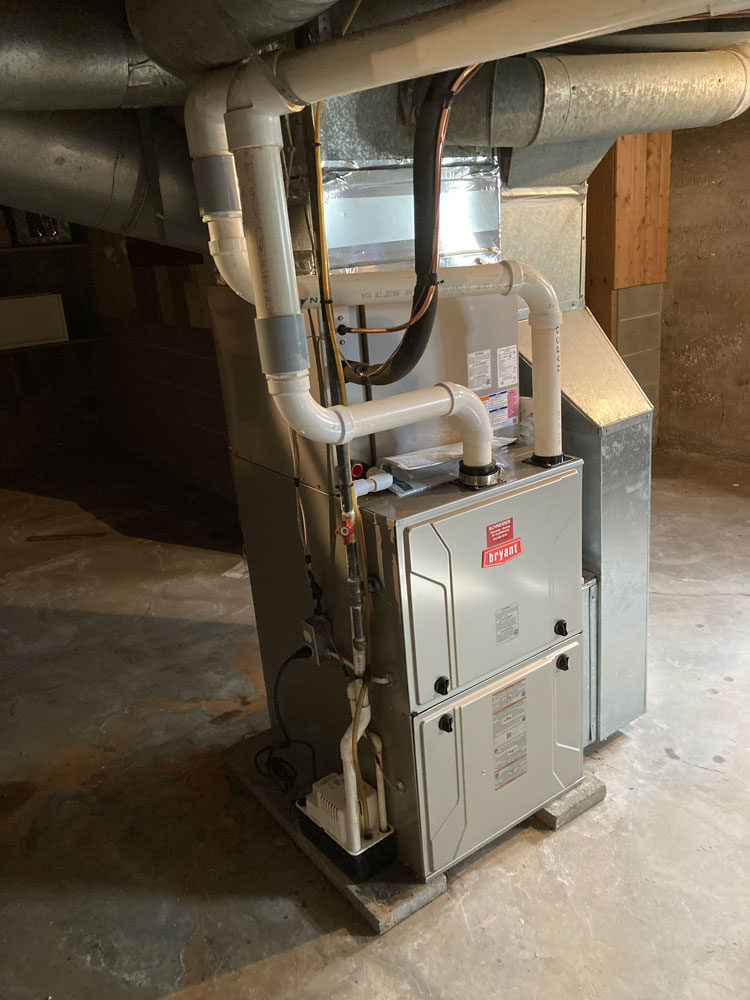
Keeping your home warm and comfortable throughout the colder months depends on a furnace that performs reliably and efficiently. When heating equipment begins to age or lose performance, homeowners often notice small issues at first. Over time, these problems can grow into larger disruptions that make everyday comfort harder to maintain. Understanding the most common signs you need a new furnace can help you make a confident and cost-effective decision before a complete system failure leaves you without heat. Below, we explain the most frequent indicators that your furnace may be nearing the end of its lifespan, when repair costs outweigh replacement, and how to choose the right new unit for long-term performance.
Recognizing the Common Signs You Need a New Furnace
When a furnace breaks down unexpectedly, it is rarely without warning. Most aging or inefficient heating systems show clear performance and reliability issues long before they reach total failure. By paying attention to changes in how your furnace runs, you can plan for replacement on your schedule rather than waiting for an emergency.
Unusual Noises, High Bills, and Uneven Heating
Three of the earliest signs of furnace trouble are unusual noises, rising energy costs, and inconsistent temperatures throughout the home. Each of these can indicate different mechanical or efficiency problems that suggest your system may be wearing out. Strange sounds coming from a furnace often mean internal components are deteriorating. Banging, rattling, humming, or squealing can point to motor issues, loose parts, or failing bearings. While some noises are repairable, frequent or worsening sounds often signal that the unit is nearing the end of its usable life. Higher utility bills are another common warning sign. If your energy costs increase even though your heating habits have not changed, your furnace may be losing efficiency. Older systems struggle to maintain consistent temperatures and must work harder to keep your home warm, which leads to increased energy consumption. Uneven heating throughout the home can also reveal furnace problems. Rooms that stay too cold, require additional space heaters, or fluctuate dramatically in temperature may indicate airflow issues, poor blower performance, or a furnace that can no longer meet your household demand. If you notice any of these symptoms regularly, it may be time to consider system replacement rather than investing money into frequent repairs. Additional signs of an aging furnace include difficulty starting the unit, short cycling, excess dust or soot near the registers, and yellow instead of blue burner flames. A yellow flame can indicate incomplete combustion, which may point to a dangerous carbon monoxide issue. Whenever safety concerns arise, replacing the furnace is usually the most responsible choice.
When Furnace Repairs Stop Making Sense
Even a high-quality furnace with proper maintenance will eventually reach a point where repairs become less practical. Homeowners often wonder when it is more cost-effective to continue repairing a system versus replacing it. Looking at the age of the equipment, repair frequency, cost of replacement parts, and long-term energy savings can help you make a more informed decision. Most furnaces last between 15 and 20 years with regular maintenance. If your system is approaching or beyond that range, expensive repairs rarely offer long-term value. Replacing major components in an older furnace often means the rest of the unit may still fail shortly afterward, creating a cycle of ongoing repair bills. Another rule of thumb is to evaluate repair costs compared to the cost of a new furnace. If a repair estimate totals more than one-third of what a replacement would cost, investing in a new unit is usually the smarter financial decision. New systems come with warranties, updated technology, and improved reliability that help lower overall operating expenses. Increased repair frequency is also a strong indicator that the furnace is wearing out. If you find yourself calling a technician multiple times each season or experiencing repeated breakdowns, the system is no longer dependable. This repeated strain not only affects comfort but also increases the risk of a complete failure during the coldest parts of winter. Additionally, older furnaces are significantly less efficient than modern models. Even when repaired, many older systems cannot operate anywhere near the efficiency levels required to maintain low heating costs. If you want to reduce energy expenses and improve the overall comfort of your home, upgrading to a high-efficiency system often saves money over time.
Choosing the Right Replacement for Your Home
When the time comes to invest in a new furnace, choosing a system that matches your home’s heating needs is essential. Today’s heating technology offers a wide variety of options that differ in energy efficiency, performance features, fuel type, and long-term value. Understanding these differences ensures you make a confident and informed purchase.
Comparing Modern Furnace Efficiency Ratings
Furnace efficiency is measured by Annual Fuel Utilization Efficiency, also known as AFUE. This rating describes how much of the fuel consumed by the furnace is converted into usable heat. For example, an 80 AFUE furnace converts 80 percent of its fuel into heat while the remaining 20 percent is lost through the exhaust. Modern high-efficiency furnaces offer AFUE ratings of 90 to 98 percent, which means nearly all the fuel used goes directly toward heating your home. While these systems can cost more upfront, they significantly reduce energy waste and lower monthly heating bills. Many feature advanced components like variable speed blowers, modulating gas valves, and smart thermostat compatibility, all of which improve comfort and reduce cycling. Choosing the right efficiency level often depends on climate, home size, and budget. For especially cold climates, high-efficiency furnaces typically offer the best long-term savings. Homeowners who plan to stay in their homes for many years often benefit the most from the reduced utility costs these models provide.
How to Schedule a Professional Inspection
Before selecting a new furnace, it is important to have a licensed HVAC technician evaluate your current system and home layout. A professional inspection ensures your replacement is properly sized and designed to meet your home’s specific heating needs. Oversized or undersized furnaces can lead to uneven temperatures, short cycling, higher energy costs, and premature system wear. During an inspection, your technician will assess your home’s square footage, insulation, ductwork condition, existing ventilation, and heating patterns. They will also review the performance of your current equipment and discuss any comfort issues you have been experiencing. This information helps them recommend a furnace that will provide the most reliable, efficient heating possible. Scheduling an inspection early in the season also ensures you have plenty of time to compare options, review pricing, and schedule installation before cold weather arrives. Many homeowners find that replacing a furnace proactively, rather than during an emergency breakdown, provides a smoother and more affordable experience.
Contact Schneider Plumbing, Heating & Air Conditioning Today
As your furnace ages, recognizing the early warning signs can help you avoid unexpected breakdowns, rising energy bills, and uncomfortable winter nights. Whether you have noticed unusual noises, inconsistent temperatures, or frequent repair needs, paying attention to these changes allows you to make a well-timed decision about replacing your system. A newer, more efficient furnace can improve comfort, enhance air quality, and lower overall heating costs year after year. For expert guidance, reliable service, and trustworthy installation, turn to Schneider Plumbing, Heating & Air Conditioning. For over 70 years, our team has been a dependable partner for homeowners across Jackson and Jennings County, providing exceptional heating, cooling, and plumbing care. As a family-owned company, we are dedicated to improving your home comfort with skilled technicians and high-quality workmanship every time. When you are ready to explore furnace replacement options or schedule a professional inspection, contact us today. Our team is here to help you stay warm, safe, and comfortable all year long.