
How Do You Complete a Plumbing Inspection Checklist Like a Pro?
Keeping your home comfortable and protected starts with understanding what is happening behind the walls, under sinks, and throughout your plumbing system. A plumbing inspection checklist is one of the most effective tools homeowners can use to identify minor issues before they become expensive emergencies. By routinely checking fixtures, pipes, valves, and water pressure, you can catch leaks, corrosion, and inefficiencies early and extend the life of your plumbing system.
Why You Need a Plumbing Inspection Checklist
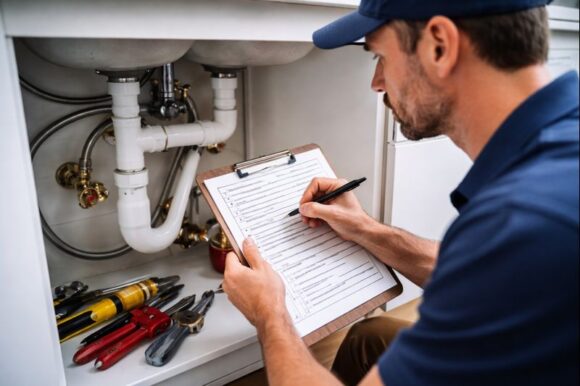
Plumbing systems work quietly in the background, which makes it easy to overlook early warning signs of trouble. A structured inspection checklist ensures that no critical component is forgotten and that you evaluate your system in a consistent, thorough way. Without a checklist, homeowners often miss small leaks, slow drains, or subtle pressure changes that signal larger problems.
A plumbing inspection checklist is especially valuable because it helps you stay proactive instead of reactive. Plumbing emergencies can cause water damage, mold growth, and costly repairs. Regular inspections allow you to spot issues while they are still manageable and affordable to fix.
Some of the key benefits of using a plumbing inspection checklist include:
- Early detection of leaks that can damage floors, cabinets, and walls
- Identification of corrosion or aging pipes before they fail
- Improved water efficiency that can lower monthly utility bills
- Increased lifespan of fixtures and appliances
- Better understanding of when to call a professional plumber
For homeowners planning to sell their property, a documented plumbing inspection can also add confidence for buyers and reduce surprises during a home inspection.
How to Conduct a Step-by-Step Plumbing Check
Completing a plumbing inspection does not require advanced tools or technical expertise. What it does require is attention to detail and a systematic approach. Start by setting aside enough time to inspect your home thoroughly and gather basic supplies such as a flashlight, paper towels, and a notepad to record observations.
Begin your checklist by dividing your home into sections, such as bathrooms, kitchen, laundry area, basement, and exterior plumbing. This helps ensure you inspect every area methodically.
Inspecting Fixtures, Valves, and Drains
Fixtures and drains are some of the most visible and frequently used parts of your plumbing system, making them a logical starting point. Faucets, toilets, showers, and sinks experience daily wear and tear, which can lead to leaks and inefficiencies over time.
When inspecting fixtures, focus on the following steps:
- Check faucets for drips, leaks around the base, or loose handles
- Inspect under sinks for moisture, stains, or warped cabinetry
- Flush toilets and listen for running water after the tank refills
- Examine showerheads and tub spouts for leaks or mineral buildup
- Ensure shut-off valves turn smoothly and fully close
Drains deserve special attention as well. Slow-draining water can indicate partial clogs or buildup that may worsen if left untreated. Run water in sinks, tubs, and showers to see how quickly it drains and listen for gurgling sounds that may suggest venting issues.
If you notice persistent dripping, pooling water, or foul odors from drains, make note of these issues on your checklist. Even small leaks can waste significant amounts of water and lead to long-term damage if ignored.
Spotting Water Pressure and Leak Issues
Water pressure problems often go unnoticed until they become severe. Low pressure can make daily tasks frustrating, while high pressure can strain pipes and fixtures. During your inspection, test water pressure at multiple fixtures throughout the home.
Signs of water pressure or leak issues include:
- Sudden changes in pressure when multiple fixtures are used
- Banging or knocking sounds in pipes, often called water hammer
- Discolored water that may indicate corrosion inside pipes
- Damp spots on walls, ceilings, or floors
- Unexplained increases in water bills
To check for hidden leaks, turn off all water-using appliances and fixtures, then observe your water meter. If the meter continues to move, there may be a hidden leak somewhere in the system. This simple test can reveal problems that are not visible during a surface-level inspection.
Be sure to inspect exposed pipes in basements, crawl spaces, or utility rooms. Look for signs of corrosion, rust, or mineral deposits around joints and fittings. These areas are often overlooked but can provide early clues of future pipe failure.
When to Call a Professional Plumber
While a plumbing inspection checklist empowers homeowners to identify many issues, it is important to recognize when professional expertise is needed. Some problems require specialized tools, training, and experience to diagnose and repair safely.
You should consider calling a professional plumber if you encounter:
- Persistent leaks that do not resolve with basic tightening or washer replacement
- Major corrosion or visible pipe damage
- Sewage odors or frequent drain backups
- Inconsistent water temperature or pressure throughout the home
- Signs of water damage inside walls or ceilings
Professional plumbers can perform more advanced inspections, including camera drain inspections, pressure testing, and water quality analysis. These services provide a deeper understanding of your plumbing system’s condition and help prevent unexpected breakdowns.
Routine Inspections for Older Homes
Homes built several decades ago often have plumbing systems that differ significantly from modern standards. Older pipes made from galvanized steel or cast iron are more prone to corrosion and failure, making routine inspections especially important.
If you live in an older home, your plumbing inspection checklist should include additional considerations:
- Inspect visible pipes for rust, flaking, or discoloration
- Check for outdated materials that may need replacement
- Monitor water pressure carefully to avoid stressing aging pipes
- Look for signs of past repairs that may indicate recurring issues
Routine inspections help homeowners of older properties plan upgrades strategically instead of reacting to emergencies. A professional plumber can also advise on phased replacements that improve reliability without requiring a full system overhaul at once.
Making Plumbing Inspections a Habit
Consistency is key when it comes to plumbing maintenance. Completing a plumbing inspection checklist once a year is a good baseline for most homes, but more frequent checks may be beneficial for larger households or properties with older systems.
Consider scheduling inspections:
- Annually, as part of regular home maintenance
- Before and after extreme weather events
- Prior to buying or selling a home
- When water bills increase unexpectedly
By making plumbing inspections a routine habit, you stay informed about the condition of your system and can address small issues before they escalate.
Trust Schneider Plumbing, Heating & Air Conditioning for Expert Help
Even the most thorough homeowner inspection has its limits. When you need expert guidance, repairs, or a professional plumbing inspection, Schneider Plumbing, Heating & Air Conditioning is here to help. For over 70 years, the Schneider Plumbing, Heating & Air Conditioning team has been a reliable plumber helping our friends and neighbors throughout Jackson and Jennings County live more comfortably at home. As a family-owned HVAC company, we are committed to improving our customers’ lives through quality heating, cooling, and plumbing services. It is our mission to provide you with the highest level of service whenever you need the help of an expert. If you want peace of mind that your plumbing system is operating safely and efficiently, contact us today to schedule a professional inspection and experience the difference trusted local service can make.