



Why Should You Upgrade to a Smart Thermostat?
Modern homeowners are increasingly looking for ways to make their homes more comfortable, efficient, and easier to manage. One of the most impactful upgrades you can make is installing a smart thermostat. From reducing monthly utility bills to giving you more control over your indoor comfort, the benefits of a smart thermostat extend far beyond simple temperature control. As heating and cooling systems account for a significant portion of household energy use, upgrading to smarter technology is a practical investment that pays off in both convenience and long-term savings.
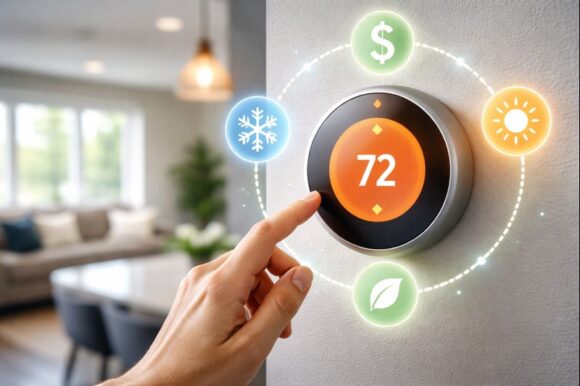
What Makes Smart Thermostats So Popular?
Smart thermostats have gained popularity because they align perfectly with how people live today. Homeowners want solutions that are intuitive, efficient, and adaptable to their lifestyles. Unlike traditional thermostats that require constant manual adjustments, smart thermostats use intelligent technology to manage your home’s temperature automatically.
Several factors contribute to their widespread adoption, including:
- Increased awareness of energy efficiency and sustainability
- Growing interest in smart home technology
- Rising energy costs that encourage better usage control
- The desire for greater comfort and convenience
Smart thermostats learn your habits, respond to changes in your routine, and adjust temperatures accordingly. Over time, this automation leads to improved comfort without the need for constant input. Many models also offer sleek designs and user-friendly interfaces, making them appealing from both a functional and aesthetic standpoint.
Another reason for their popularity is accessibility. Smart thermostats are no longer limited to tech enthusiasts. They are designed for everyday homeowners and can be easily controlled through smartphone apps, tablets, or voice assistants. This combination of ease of use and advanced functionality has made smart thermostats a common upgrade in modern homes.
Top Benefits of Installing a Smart Thermostat
Upgrading to a smart thermostat offers a wide range of advantages that go beyond simple temperature adjustments. These devices are designed to optimize comfort while minimizing energy waste, making them a smart choice for homeowners looking to improve their living environment.
Some of the top benefits include:
- Lower energy bills through optimized heating and cooling schedules
- Greater control over indoor temperatures from anywhere
- Improved comfort with personalized settings
- Reduced wear and tear on HVAC systems
- Insight into energy usage patterns
One of the most appealing benefits is the ability to create customized schedules. Instead of heating or cooling your home when no one is there, a smart thermostat can automatically reduce energy use during work hours or overnight. This targeted approach ensures your HVAC system works only when needed.
Smart thermostats also provide alerts and reminders, such as when it is time to change air filters or schedule maintenance. These notifications help homeowners stay proactive, which can extend the lifespan of their HVAC equipment and prevent costly repairs.
How Smart Thermostats Improve HVAC Efficiency
HVAC efficiency is a major concern for homeowners, especially in regions with hot summers and cold winters. Smart thermostats play a key role in improving efficiency by ensuring your system operates at optimal levels throughout the year.
Traditional thermostats often lead to inefficiencies because they rely on manual input. Forgetting to adjust the temperature before leaving the house or setting it too high or low can cause unnecessary energy consumption. Smart thermostats eliminate this issue by using sensors, algorithms, and usage data to make informed adjustments automatically.
They improve HVAC efficiency in several ways:
- Reducing runtime by adjusting temperatures based on occupancy
- Preventing extreme temperature swings that strain the system
- Coordinating heating and cooling cycles more effectively
- Providing data that helps identify inefficiencies
By maintaining consistent and reasonable temperature settings, smart thermostats help your HVAC system run more smoothly. This reduces stress on components like compressors and blowers, which can lower the risk of breakdowns and improve overall system performance.
Remote Temperature Control and Automation
One of the most convenient features of a smart thermostat is remote temperature control. With a compatible smartphone app, you can adjust your home’s temperature from virtually anywhere. Whether you are returning early from a trip or staying late at work, you can ensure your home is comfortable when you arrive.
Automation takes this convenience even further. Smart thermostats can:
- Adjust temperatures based on your location using geofencing
- Follow daily and weekly schedules automatically
- Adapt to seasonal changes without manual updates
For example, if the thermostat senses that everyone has left the house, it can automatically switch to an energy-saving mode. When someone returns, it restores the preferred temperature. This hands-off approach ensures comfort while reducing wasted energy.
Automation also helps maintain consistent indoor conditions. Instead of sudden temperature changes, smart thermostats make gradual adjustments that feel more natural and comfortable.
Tracking Energy Usage with Smart Apps
Understanding how and when you use energy is essential for making informed decisions about your home. Smart thermostats provide detailed insights through companion apps that track energy usage over time.
These apps allow homeowners to:
- View daily, weekly, and monthly energy reports
- Identify patterns in heating and cooling usage
- Receive tips for improving efficiency
- Set energy saving goals
By reviewing this data, you can see how small changes impact your overall energy consumption. For instance, adjusting your thermostat by a few degrees during peak hours can result in noticeable savings. Many smart thermostats also compare your usage to similar households, giving you a benchmark for improvement.
Energy tracking is not just about saving money. It also helps reduce your environmental footprint by minimizing unnecessary energy use. This makes smart thermostats an excellent choice for homeowners who value sustainability.
Compatibility with Existing HVAC Systems
A common concern among homeowners is whether a smart thermostat will work with their current HVAC system. The good news is that most smart thermostats are designed to be compatible with a wide range of heating and cooling setups.
Smart thermostats often work with:
- Central heating and air conditioning systems
- Heat pumps
- Furnaces
- Boiler systems
- Zoned HVAC systems
Before installation, it is important to confirm compatibility, especially for older systems. Professional HVAC technicians can assess your setup and recommend the best smart thermostat for your home. Proper installation ensures the thermostat communicates effectively with your system and delivers accurate temperature control.
Compatibility also extends to smart home ecosystems. Many smart thermostats integrate seamlessly with popular platforms, allowing you to control them alongside other connected devices. This integration enhances the overall smart home experience and simplifies daily routines.
Smart Home Integration and Everyday Convenience
Smart thermostats are often a central component of a connected home. Their ability to integrate with other smart devices adds another layer of convenience and efficiency.
When integrated with a smart home system, your thermostat can:
- Work with voice assistants for hands-free control
- Coordinate with smart sensors and devices
- Respond to routines and scenes
For example, a morning routine could gradually warm your home, turn on lights, and adjust other settings automatically. At night, a single command can lower the temperature and prepare your home for sleep.
This level of integration not only improves comfort but also simplifies home management. Instead of juggling multiple controls, everything works together seamlessly.
Long Term Value and Return on Investment
While smart thermostats may cost more upfront than traditional models, they offer strong long-term value. Energy savings over time can offset the initial investment, and improved HVAC efficiency can reduce maintenance and repair costs.
Key factors that contribute to return on investment include:
- Lower monthly energy bills
- Extended HVAC system lifespan
- Potential rebates or incentives from utility companies
- Increased home appeal and value
Many homeowners notice a reduction in energy costs within the first year of installation. Over time, these savings add up, making smart thermostats a financially sound upgrade.
Upgrade Your Comfort with Schneider Plumbing, Heating & Air Conditioning
If you are considering upgrading to a smart thermostat, professional guidance makes all the difference. For over 70 years, the Schneider Plumbing, Heating & Air Conditioning team has been a reliable plumber helping our friends and neighbors throughout Jackson and Jennings County live more comfortably at home. As a family-owned HVAC company, we are committed to improving our customers’ lives through quality heating, cooling, and plumbing services. It is our mission to provide you with the highest level of service whenever you need the help of an expert. Whether you want to improve energy efficiency, enhance comfort, or integrate smart technology into your home, our experienced technicians are ready to help. Contact us to schedule a consultation and take the first step toward a smarter, more comfortable home today.