Jayme Reid manages content and SEO strategy for Schneider Plumbing, Heating & Air Conditioning, helping homeowners in Seymour and the surrounding area find clear, helpful information on plumbing, heating, and cooling. With a focus on practical advice, Jayme works behind the scenes to keep this site's content accurate, useful, and easy to navigate.
Toilet issues can range from mildly annoying to outright disruptive, and knowing when to call for toilet repair services can save you time, money, and a major mess. While some minor toilet troubles can be fixed with a plunger or wrench, others signal deeper issues requiring a professional plumber’s expertise.
Common Toilet Issues That Need Repair
Toilets are among the most used plumbing fixtures in any home, and wear and tear is inevitable. While some issues are purely cosmetic or temporarily inconvenient, others may indicate serious plumbing problems.
Constant Running or Leaking
One of the most common issues homeowners face is a toilet that runs continuously or leaks around the base or tank. A constantly running toilet can waste hundreds of gallons of water each month, driving up your utility bill and impacting your environmental footprint. The usual culprits include:
Worn-out flapper: This rubber piece can degrade over time, failing to create a proper seal.
Faulty fill valve: If it’s not shutting off correctly, the tank will keep refilling.
Chain or handle issues: A kinked chain or a stuck handle may prevent the flapper from closing fully.
In some cases, these components can be replaced easily. However, if you’ve tried swapping them out and the toilet still runs, more complex internal tank problems or water pressure issues may need a professional’s diagnosis.
Leaking toilets are a different beast. Water pooling around the base could signal:
A cracked wax seal between the toilet and floor
A loose flange
A hairline crack in the bowl or tank
Leaks like these can lead to mold, mildew, and subfloor damage, so it’s crucial to call a plumber as soon as you notice them.
Cracked Porcelain and Clogs
Cracks in the porcelain bowl or tank may start out small but can quickly escalate. A hairline crack can lead to slow leaks or a sudden catastrophic failure. These cracks often appear due to:
Age and wear
Impact (dropping something heavy on the toilet)
Extreme temperature changes
Cracks are not repairable. Once the integrity of the porcelain is compromised, replacement is the only safe option—and it’s definitely not a DIY task.
Clogs, on the other hand, are common but vary in severity. A plunger can often clear minor clogs from toilet paper or organic material. However, persistent or recurring clogs may indicate:
Something lodged in the trap (e.g., toys, wipes, hygiene products)
Hard water buildup
Tree roots invading the sewer line
If you find yourself plunging more than once a week or if other drains in your home are backing up simultaneously, it’s time to call in a professional plumber who can inspect your lines and use tools like augers or hydro-jetting.
Replacing Valves and Seals
Your toilet relies on a variety of valves and seals to function correctly. Over time, these parts can wear out due to:
Hard water minerals
Age
Improper installation
Key parts that may need a professional replacement include:
Fill valve: Controls the water level in the tank.
Flush valve: Releases water from the tank into the bowl.
Wax seal: Provides a watertight barrier between the base of the toilet and the floor.
Tank-to-bowl gasket: Prevents leaks where the two parts connect.
Replacing these parts may seem simple, but it often involves turning off the water supply, draining the tank, disconnecting plumbing lines, and reseating or realigning components properly. One wrong move could lead to leaks or even water damage.
DIY vs. Professional Toilet Fixes
There’s nothing wrong with being a handy homeowner—many toilet issues can be fixed with a few basic tools and parts from the hardware store. But how do you know when it’s time to stop DIYing and call in the professionals?
When DIY Might Be Enough
Replacing a worn-out flapper or handle
Tightening a loose toilet seat
Adjusting the chain or float in the tank
Plunging a minor clog
These repairs are generally low-risk, cost-effective, and require minimal technical knowledge. Many online tutorials can walk you through the steps.
When to Call for Toilet Repair Services
If you encounter any of the following issues, it’s time to bring in a licensed plumber:
Water pooling around the base or leaking from the tank
Cracks in the bowl or tank
Continuous running despite replacing basic parts
Foul odors coming from the base (could indicate a sewer gas leak)
Backflow or sewer line problems
Persistent or recurring clogs
Weak flushing or strange sounds during flushing
These signs often point to deeper plumbing or structural issues that DIY repairs can’t address. Delaying professional service can lead to increased water bills, property damage, and costly emergency repairs.
Cost and Process of Toilet Repairs
Understanding what to expect during a toilet repair call can help you make informed decisions. Let’s break down both the cost factors and the typical process involved when you contact professionals like Schneider Plumbing, Heating & Air Conditioning.
What Affects the Cost?
Several variables influence the total cost of toilet repairs:
Type of issue: Minor repairs like flapper replacement may cost under $100, while more complex issues like toilet replacement or sewer line repair can range from $200 to $800+.
Parts required: Some replacement parts are inexpensive, while others—such as tank internals or wax seals—require more time and expertise to install.
Extent of damage: Water damage from a leak or a cracked bowl could mean additional remediation work.
Urgency: Emergency or after-hours calls often come with a premium.
Getting a professional inspection and a transparent quote upfront will help prevent any surprises.
What to Expect During a Service Call
Inspection and Diagnosis
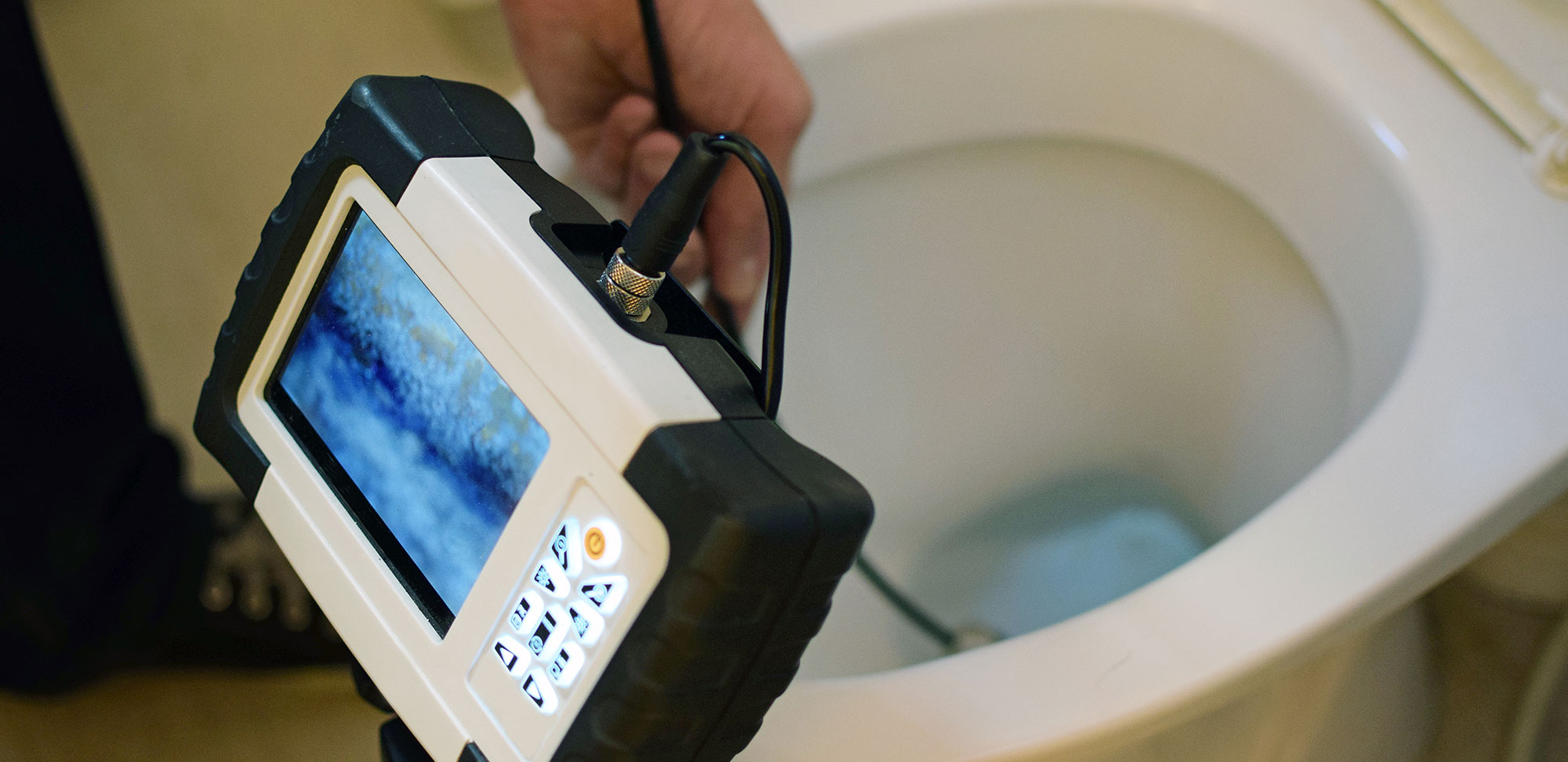
A licensed plumber will examine the toilet and the surrounding area to identify the root cause of the issue. Depending on the problem, they may use dye tests, leak detectors, or inspection cameras.
Quote and Explanation
Once the issue is diagnosed, they’ll explain the problem, outline the needed repair or replacement, and provide an upfront estimate.
Repair or Replacement
Depending on the severity, the plumber may either complete the repair on the spot or schedule a follow-up visit if special parts or tools are required.
Testing and Cleanup
After completing the repair, the technician will test the toilet to ensure it’s functioning properly and clean up the work area.
Working with a reputable company like Schneider Plumbing, Heating & Air Conditioning ensures a professional, respectful experience from start to finish.
Why Choose Schneider Plumbing, Heating & Air Conditioning?
With over 70 years of experience serving Jackson and Jennings County, Schneider Plumbing, Heating & Air Conditioning has earned a reputation for trustworthy and high-quality plumbing services. As a family-owned business, we understand the importance of protecting your home and keeping your family comfortable.
Here’s what sets us apart:
Expert Technicians: Our plumbers are fully licensed, trained, and experienced in all aspects of toilet repair and installation.
Customer-First Service: We prioritize clear communication, honest pricing, and timely service.
Comprehensive Solutions: We handle it all from minor toilet repairs to full bathroom plumbing overhauls.
Emergency Availability: Plumbing issues don’t wait for business hours—and neither does the Schneider team.
Whether you’re dealing with a running toilet, a hidden leak, or a complete replacement, we are ready to help with reliable solutions and top-tier craftsmanship.
Final Thoughts
Toilets are essential to your home’s daily function, and when something goes wrong, prompt action is key. While some simple repairs can be handled on your own, more complex issues like leaks, cracks, or recurring clogs require professional attention. Understanding when to call for toilet repair services not only protects your home from damage but also ensures your plumbing system remains efficient and safe.
Don’t wait for a small problem to become a big one. Contact us today to schedule expert toilet repair services. Proudly serving Jackson and Jennings County for over 70 years, we’re committed to keeping your home’s plumbing—and your life—running smoothly.
Let us help you get back to comfort. Call now to request service.
Flooding and water damage are among the most costly and disruptive problems homeowners face. For those living in areas prone to heavy rainfall, snowmelt, or high groundwater, sump pump installation can be a critical step toward protecting your home’s foundation, belongings, and long-term value. Whether your basement has flooded before or you are taking proactive steps before the next rainy season, understanding when and why to install a sump pump could save you thousands.
What a Sump Pump Does and Why It Matters
A sump pump is a device installed in the lowest point of a basement or crawlspace, typically inside a specially constructed pit called a sump basin. Its job is to collect water that accumulates around your foundation and pump it safely away from the home before it causes damage.
When water rises in the sump pit, whether from heavy rain, snowmelt, or rising groundwater, the pump activates automatically and moves that water to a designated drainage area such as a dry well, storm drain, or municipal sewer. The result is a drier, safer basement without you having to do a thing.
A properly installed sump pump system:
Prevents basement flooding and the property damage that follows
Protects against mold and mildew, which can develop within 24 to 48 hours of water intrusion
Preserves structural integrity by keeping foundation walls consistently dry
Adds measurable value to your home by reducing flood risk for future buyers
Reduces the risk of costly water leak damage going undetected beneath flooring and behind walls
Signs That Sump Pump Installation Is Necessary for Your Home
Most homeowners do not think about sump pumps until water is already on the basement floor. Catching the warning signs early is far less expensive than responding to a flood after the fact.
Your Basement Has a History of Moisture or Flooding
Even a single flood event is a strong signal that your home is vulnerable. But flooding is not the only indicator. Watch for these early warning signs:
Water stains along the base of basement walls or on the floor
Efflorescence, the white chalky residue left behind when water evaporates through concrete
Musty odors that suggest mold or mildew growth behind finished surfaces
Peeling paint, warped paneling, or bubbling drywall
Pooled water during or after heavy rainfall, even if it drains on its own
Any of these signs warrants a professional assessment. In many cases, sump pump installation in Seymour can be scheduled and completed before the next major rain event.
Your Home Is in a Low-Lying or High Water Table Area
Homes in valleys, near rivers or streams, or on soil with poor natural drainage face a higher baseline risk of water intrusion. Indiana’s geography, with its mix of clay-heavy soils and seasonal flooding, makes this a real concern throughout Jackson and Jennings County. If your property sits in a flood zone or has a high water table, a sump pump is not optional, it is essential.
Not sure about your property’s flood risk? The FEMA Flood Map Service Center allows you to look up your address and see your official flood zone designation.
Your Area Gets Frequent or Heavy Storms
Southern Indiana regularly sees intense spring and summer thunderstorms that drop large amounts of rainfall in short windows. When the ground is already saturated, stormwater has nowhere to go but through cracks in your foundation. Even homes that have never flooded can become vulnerable after a series of heavy storms that raise the local water table.
You Are Finishing or Renovating Your Basement
If you are investing money in flooring, drywall, insulation, or electrical work in your basement, protecting that investment should be part of the plan. Even minor water intrusion after a renovation can destroy materials that cost far more to repair than the sump pump would have cost upfront. Installing a sump pump before finishing a basement is standard practice for good reason.
You Recently Purchased a Home Without One
Not all homes come equipped with sump pumps, particularly older construction. If your home inspection flagged moisture concerns or you purchased a home with a basement in a wet climate, adding a sump pump is one of the smartest first investments you can make as a new homeowner.
Sump Pump Installation: Types of Systems and How to Choose
Submersible Sump Pumps
Submersible pumps sit directly inside the sump pit and operate fully submerged during use. They are quieter than pedestal models, handle higher water volumes, and are the preferred choice for homes with serious or recurring flooding. They tend to cost more upfront but offer a longer operating lifespan and greater reliability under heavy demand.
Pedestal Sump Pumps
Pedestal pumps mount above the sump basin with only the intake extending into the pit. They are easier to access for servicing and generally less expensive. They work well in homes with smaller pits or lighter, less frequent water exposure. The motor is exposed above the water line, making it simpler to maintain but slightly louder during operation.
Which Type Is Right for Your Home?
The right choice depends on your sump pit dimensions, the volume of water your basement typically sees, and your budget. A licensed plumber in Seymour can evaluate your specific situation and recommend the correct pump type, motor size, and discharge setup to keep your basement dry in even the worst conditions.
Battery Backup Systems: Why They Matter More Than You Think
Here is a scenario that plays out regularly during Indiana storms: the power goes out at the exact moment your basement needs the sump pump most. Without a battery backup, the pump is useless during the outage, and water rises unchecked.
A battery backup sump pump system automatically activates when the primary pump loses power, providing continuous protection even during extended outages. Some systems include smart monitoring that sends alerts to your phone if the backup engages or if battery levels drop. For a detailed look at what backup systems cost and which options offer the best value, see our breakdown of sump pump battery backup costs.
Adding a battery backup at the time of initial installation is almost always less expensive than retrofitting one later.
Sump Pump Installation Cost: What to Expect
Professional sump pump installation including parts and labor typically runs between $1,000 and $3,000 depending on:
Cost Factor
Low End
High End
Pedestal pump (parts + labor)
$500
$1,200
Submersible pump (parts + labor)
$800
$2,000
Battery backup system
$300
$1,000
Sump pit excavation (new install)
$500
$1,500
Discharge line extension
$100
$500
To put this in perspective: a single basement flood averages $10,000 to $30,000 in water damage repairs according to industry estimates. A properly installed sump pump system is one of the highest-return protective investments a homeowner can make.
The Professional Installation Process: Step by Step
Sump pump installation is not a DIY project. Proper installation requires an understanding of soil conditions, local water table behavior, building codes, and electrical safety. Here is what professional installation typically involves:
Site Assessment: Evaluating your basement or crawlspace to identify the lowest point and best sump pit location relative to your drainage needs.
Pit Excavation: Digging the sump basin and setting up gravel bed and drainage tile if needed.
Pump and Basin Installation: Setting the pump, liner, discharge line, and check valve to prevent backflow.
Electrical Connection: Connecting the pump to a dedicated circuit with GFCI protection and installing battery backup wiring if applicable.
Testing and Verification: Running the system through multiple cycles and confirming the discharge line routes water well away from the foundation.
Errors during any of these steps can result in a pump that fails when you need it most or one that discharges water back toward the home. Always use a licensed professional for this work.
How Long Does a Sump Pump Last?
The average sump pump lasts 7 to 10 years with regular maintenance. Submersible models may reach the lower end of that range due to constant submersion, while pedestal models in lighter-use situations can exceed 10 years. Signs your existing pump may be nearing the end of its useful life include:
Unusual noises such as rattling, grinding, or excessive vibration
Running continuously without shutting off
Visible rust or corrosion on the pump body or pit liner
Slow or inconsistent water removal
The system is 7 or more years old and has never been serviced
If your pump is showing any of these signs, do not wait for a flood to confirm the failure. Proactive replacement before storm season is far less stressful and less expensive than an emergency call in the middle of the night.
Sump Pump Maintenance: Keeping Your System Ready Year-Round
Installing a sump pump is only part of the equation. Regular maintenance ensures it performs when conditions demand it most.
Test it quarterly: Pour a bucket of water into the pit and confirm the float activates the pump and the water discharges properly.
Clean the pit annually: Remove debris, gravel, and sediment that can clog the intake screen.
Inspect the discharge line: Make sure the outlet is clear of ice in winter and that water is directed well away from the foundation.
Check the battery backup: Test backup battery charge and replace the battery every 3 to 5 years even if it appears functional.
Schedule professional service: An annual inspection by a local plumber in Seymour catches issues before they become failures.
When Is the Best Time to Schedule Sump Pump Installation?
The best time to install a sump pump is before you need it. Specifically, consider scheduling installation:
Before spring thaw and Indiana’s peak rainy season (March through June)
Before finishing or renovating a basement space
Shortly after purchasing a home that lacks an existing system
After noticing any signs of moisture, even if flooding has not occurred yet
When replacing an aging pump that is 7 or more years old
Emergency installations during an active flood are possible but cost more, take longer, and often cause unnecessary stress. Planning ahead gives you time to choose the right system and get the job done properly.
Is sump pump installation necessary if my basement has never flooded?
Yes, in many cases. A basement that has never flooded may still be at risk due to soil type, proximity to water sources, or aging foundation waterproofing. A sump pump acts as insurance against future water intrusion. An inspection by a sump pump installation professional in Seymour can help you assess your actual risk level.
How deep does a sump pit need to be?
Most sump pits are dug to a depth of 18 to 24 inches and measure roughly 18 inches in diameter, though the exact dimensions depend on your water volume and pump type. Your installer will size the pit based on a site assessment rather than a one-size-fits-all spec.
Can I install a sump pump myself?
Technically yes, but it is not recommended. Improper pit sizing, incorrect float settings, poor discharge routing, or faulty electrical connections can all result in a system that fails at the worst possible moment. Licensed installation ensures the job meets local code and the system performs as intended.
What happens if the power goes out during a storm?
Without a battery backup, your sump pump will not operate during a power outage. Since outages frequently accompany the same storms that stress your drainage system most, a battery backup is a critical companion to any primary sump pump. Review your backup options in our guide to sump pump battery backup costs.
Does homeowners insurance cover sump pump failure?
Standard homeowners insurance typically does not cover damage from sump pump failure or basement flooding. You may be able to add a water backup endorsement to your policy for an additional premium. Check with your insurance provider for details specific to your coverage.
How long does sump pump installation take?
For a straightforward replacement of an existing pump in an already-established pit, installation typically takes 2 to 4 hours. New installations requiring pit excavation may take a full day. Your contractor can give you a firm timeline during the assessment.
Protect Your Home Before the Next Storm
Water damage can be devastating, but with the right protection in place, your home’s foundation and lower level can stay dry through whatever Indiana weather brings. Schneider Plumbing, Heating & Air Conditioning has been protecting homes throughout Jackson and Jennings County for over 70 years. Our licensed team will assess your basement, recommend the right system, and install it to last.
Do not wait until you are standing in water to make the call. Contact us today for a professional assessment and a solution built around your home’s specific needs.
If you’ve ever wondered, “Why is my garbage disposal not working properly?” You’re certainly not alone. Garbage disposal repair is a common household concern. This small but mighty appliance handles a lot of mess and waste, and when it stops working efficiently—or worse, stops working at all—it can create serious inconvenience in your daily kitchen routine.
Understanding the common issues behind disposal malfunctions, learning when to try a DIY fix, and knowing when to call in a pro can save you time, money, and stress.
Common Garbage Disposal Problems
Garbage disposals may seem like simple devices, but several things can go wrong with them, especially as they age or are used improperly.
Strange Noises and Leaks
One of the first signs something’s off is strange sounds—metallic clanking, humming, or grinding noises that weren’t there before. These usually indicate that:
A foreign object (like a spoon or bottle cap) has fallen into the disposal.
Internal parts, such as impellers or blades, are damaged or loose.
The motor is trying to run but is jammed.
If your disposal is leaking, the culprit could be:
A loose sink flange (where the unit connects to the sink)
A cracked or corroded housing
Leaky drain or dishwasher connection hoses
Leaks should be addressed quickly to avoid water damage beneath your sink.
The Disposal Won’t Turn On
If the disposal doesn’t turn on at all—no noise, no hum—it may not be receiving power. Check:
If it’s plugged in (easy but often overlooked)
Your circuit breaker
The unit’s built-in reset button
If none of these solves the problem, the motor may have burned out, or the internal wiring may be faulty.
Disposal Hums but Doesn’t Grind
This is typically a jammed flywheel or impeller. When something gets stuck, and the motor can’t spin, you may hear a humming sound, followed by the unit shutting off after a few seconds. It’s a safety feature to prevent burnout.
Never continue to run a humming disposal—it could overheat the motor or trip your breaker.
DIY Fixes vs. Professional Repair
Not all garbage disposal issues require a service call. But some do. Knowing where to draw the line is key to fixing problems quickly and safely.
Resetting the Unit Safely
Most disposals have a small red or black reset button on the bottom. If your unit suddenly stops working, try this:
Turn off the disposal and unplug it.
Check inside the chamber for jams (using tongs or pliers—never your hand).
Press the reset button.
Plug it back in and test it.
If the unit powers back on, it likely shut down to prevent damage. If not, it might be an electrical or motor issue that needs attention.
Unjamming a Stuck Disposal
If your disposal hums but doesn’t spin, it could be jammed. Here’s a DIY method:
Turn off the power to the unit.
Use a disposal wrench or hex key (usually ¼ inch) to manually rotate the impeller by inserting the tool into the bottom center socket.
Wiggle it back and forth to dislodge the jam.
Try running the disposal again.
If this doesn’t work—or if you hear grinding or metal-on-metal noises—stop and call a professional to avoid further damage.
When to Call a Professional
It’s time to bring in the experts if:
You smell burning or see smoke
The disposal trips the breaker repeatedly
Leaks appear in hard-to-reach or corroded areas
The unit grinds slowly, even when not jammed
You’ve tried a reset and manual unjam, but nothing changes
Professional plumbers have the tools and expertise to handle internal repairs, leaks, and electrical issues safely and efficiently. They can also advise if your disposal is nearing the end of its life and should be replaced.
Preventing Future Disposal Issues
A properly used and maintained garbage disposal should last 8–15 years. Here’s how to get the most out of yours.
Foods You Should Never Put Down
Despite the name, a garbage disposal isn’t a catch-all waste chute. It’s designed to handle small food scraps, not everything from your plate. Avoid putting these items into your disposal:
Fibrous foods: Celery, corn husks, onion skins—these wrap around blades.
Starchy foods: Pasta, rice, and potato peels swell with water and cause clogs.
Bones and shells: These are too hard and can damage internal components.
Grease and oil: They cool into a sticky sludge that clogs pipes.
Coffee grounds: They clump together in the drain.
Eggshells: Often believed to sharpen blades (a myth), they actually gum up the works.
When in doubt, throw it out.
Run Water Before and After Use
Always run cold water before turning on the disposal and continue running water for 15–30 seconds afterward. This helps:
Flush debris through the drain
Prevent food bits from building up
Keep fats from solidifying
Cold water is preferred because it keeps grease in solid form, allowing it to break up and flush through instead of coating your pipes.
Clean It Regularly
To eliminate odors and keep your disposal fresh:
Toss in a few ice cubes and citrus peels once a week.
Sprinkle baking soda and vinegar inside, let it sit, and flush with hot water.
Use a disposal cleaning brush or sponge wand to scrub under the rubber splash guard (where gunk often hides).
These habits reduce bacteria, sludge buildup, and unpleasant smells.
Inspect for Wear and Tear
Over time, your disposal may show signs of wear:
Blades dull or corrode
Seals weaken
Housing cracks
If you hear unusual noises or see leaks, it may be time for an inspection—even if the issue seems minor. Catching these issues early can prevent expensive repairs later.
Reliable Help Is Just a Call Away
If your garbage disposal isn’t working properly, don’t wait for a minor inconvenience to become a major plumbing disaster. Whether it’s a jammed impeller, a leaking flange, or a dead motor, the team at Schneider Plumbing, Heating & Air Conditioning is ready to help.
With over 70 years of service in Jackson and Jennings County, our family-owned business is committed to keeping your home comfortable, safe, and running smoothly. We specialize in plumbing, heating, and cooling services that prioritize quality, professionalism, and long-term reliability.
Our licensed plumbers have the experience and tools needed to:
Diagnose and fix garbage disposal issues
Perform expert installations and replacements
Offer maintenance advice to keep your unit working properly
Don’t let a faulty disposal disrupt your kitchen. Call us today to schedule a service. Your comfort is our mission, and your satisfaction is our guarantee.
Your home’s plumbing system works hard behind the scenes, quietly ensuring waste and wastewater are properly disposed of. But when something goes wrong, it can quickly disrupt daily life. One of the most critical components of this system is the sewer line. If it becomes compromised, the consequences can range from minor inconveniences to major, costly disasters. Understanding the signs that you need sewer line repair can help you act early and avoid significant plumbing issues.
Common Warning Signs of Sewer Line Damage
Recognizing the early indicators of a failing sewer line can save you from serious repair bills. Keep an eye out for the following red flags:
Foul Odors and Slow Drains
A persistent foul odor coming from your drains, toilets, or even your yard can be one of the earliest signs of sewer line trouble. The unpleasant smell of sewage indicates that waste isn’t being properly transported away from your home. If the issue persists despite cleaning and flushing your drains, it may point to a break, blockage, or deterioration in the sewer line.
Slow drainage is another symptom. If you notice that multiple drains in your home are moving sluggishly, it’s a strong indicator of a deeper problem. A single slow drain can be a local clog, but slow drains throughout your home often mean a blockage in the main sewer line. You may even hear gurgling noises in the toilet or sink drains, a sign that trapped air is bubbling up due to a clog in the line.
Lawn Indentations or Wet Patches
Your sewer line typically runs underground through your yard. When there’s a leak or break, the water and waste have nowhere to go but up and out—often into your lawn.
If you see unexplained wet patches or soggy spots in your yard, especially when it hasn’t rained, this could be due to leaking sewage. You may also notice unusually green or lush grass growing in specific areas. The added moisture and nutrients from waste materials can act like a fertilizer, creating visible differences in your lawn.
Lawn indentations or sinkholes may also develop over a damaged sewer pipe. This erosion is caused by soil displacement as the leaking water washes it away, compromising the structural integrity of your yard.
Frequent Backups and Blockages
Recurrent plumbing backups, particularly in your lower-level fixtures, are another red flag. If plunging and snaking your toilet or sink doesn’t resolve the issue for long, the problem may lie beyond your indoor plumbing.
Backups that occur despite repeated cleaning efforts suggest that there may be tree roots, a collapse, or a large obstruction in the main sewer line. These problems require professional tools and diagnostics to be accurately assessed and repaired.
Mold Growth and Foundation Cracks
Leaking sewer lines can also lead to water damage inside your home. Moisture seeping through walls and floors provides an ideal environment for mold growth. If you notice musty odors, mildew stains, or visible mold in previously dry areas, it’s time to investigate.
Additionally, persistent moisture around your home’s foundation, caused by a leaking sewer line, can cause cracks in the foundation. These structural issues are serious and should not be ignored, as they can compromise your home’s stability.
Why Timely Sewer Line Repair Matters
It might be tempting to delay addressing sewer issues, especially if the signs seem manageable. However, sewer line damage rarely improves on its own. The longer you wait, the worse it becomes—and the more costly the repair.
Preventing Major Property Damage
A small leak or clog in your sewer line can quickly evolve into a significant rupture, causing extensive damage to your home and yard. Flooded basements, ruined flooring, and contaminated soil are just a few of the expensive consequences of neglecting sewer problems.
Avoiding Health Hazards
Sewage is a breeding ground for bacteria, parasites, and viruses. Exposure to sewage due to a broken pipe can cause serious health issues, including skin infections, gastrointestinal problems, and respiratory ailments. Timely repairs eliminate these health risks and keep your home safe.
Saving Money in the Long Run
Catching and repairing sewer issues early is far less expensive than emergency repairs or complete pipe replacement. Preventive maintenance and early intervention can save you thousands of dollars and avoid the inconvenience of lengthy repair projects.
What to Expect from a Sewer Line Service
When you contact a professional plumbing company like Schneider Plumbing, Heating & Air Conditioning, you’re not just getting a temporary fix. You’re investing in the long-term functionality and safety of your home.
Pipe Inspection and Repair Options
Modern plumbing companies use state-of-the-art technology to diagnose sewer line issues. Here’s what you can expect:
Video Camera Inspection: A small, waterproof camera is inserted into your sewer line, allowing the technician to identify blockages, cracks, corrosion, or root intrusions in real-time. This accurate assessment ensures that the correct issue is addressed from the start.
Cleaning and Clearing: If the issue is caused by a blockage or buildup, hydro jetting may be used. This high-pressure water method clears debris, grease, and even small roots from the pipes without damaging them.
Trenchless Repairs: Whenever possible, technicians will opt for trenchless repair techniques such as pipe lining or pipe bursting. These methods minimize excavation, reduce labor costs, and preserve your landscaping.
Traditional Excavation: In severe cases where the pipe is collapsed or severely damaged, excavation may be necessary. A portion of your yard or foundation may need to be dug up to access and replace the affected section of pipe. Reputable contractors will work with you to ensure the area is restored as close to its original condition as possible.
Professional Recommendations and Preventive Advice
A good plumbing company won’t just fix your current issue—they’ll also help you avoid future problems. Technicians may provide advice on:
Proper disposal of grease and food waste
Tree root management
Routine pipe inspections
Drain cleaning schedules
This added value ensures that your plumbing system stays healthy and functional long after the initial repair.
Trust the Experts at Schneider Plumbing, Heating & Air Conditioning
When it comes to something as important as your home’s sewer line, you need a team you can trust. For over 70 years, Schneider Plumbing, Heating & Air Conditioning has proudly served families across Jackson and Jennings County. As a family-owned business, we treat our customers like neighbors—because they are.
Whether you’re dealing with strange smells, soggy lawns, or recurring clogs, our expert technicians are equipped to diagnose and repair your sewer line quickly and effectively. Our goal is always the same: to make your home more comfortable, safe, and efficient.
Contact Us Today
If you suspect you may need sewer line repair, don’t wait for a minor issue to turn into a major expense. Contact us today to schedule an inspection. Our friendly, knowledgeable team is ready to help you get your plumbing system back on track with reliable, long-lasting solutions.
Choosing a new water heater for your home is a major investment, one that can impact your comfort, energy consumption, and utility bills for years to come. Two primary options dominate the residential market: traditional tank water heaters and modern tankless water heaters. Both systems come with distinct advantages and disadvantages, making it essential for homeowners to understand their differences before making a purchase decision.
Understanding Tankless and Traditional Systems
Traditional Water Heaters, also known as storage tank water heaters, are the most common type found in homes across the United States. They feature an insulated tank, typically ranging from 30 to 80 gallons, that heats and stores water until it’s needed. The system maintains the water at a preset temperature, reheating it as necessary to ensure a ready supply.
Tankless Water Heaters, sometimes called on-demand water heaters, operate without a storage tank. Instead, they use high-powered burners or electric elements to heat water as it flows through the unit, providing hot water only when needed. These systems are compact and energy-efficient and are gaining popularity among energy-conscious homeowners.
Comparing Pros and Cons
Efficiency, Cost, and Performance
Energy Efficiency
One of the most significant advantages of a tankless water heater is its energy efficiency. Traditional systems constantly heat water to maintain a set temperature, even when not in use—a phenomenon known as standby heat loss. Tankless systems eliminate this inefficiency by heating water only when it’s needed.
According to the U.S. Department of Energy, homes that use 41 gallons or less of hot water daily can benefit from 24% to 34% greater energy efficiency with a tankless water heater. Larger households can still expect energy savings of 8% to 14%, especially when multiple tankless units are installed to meet demand.
Traditional water heaters, while typically less efficient, may be more suitable for homes with high simultaneous water usage. For example, running a dishwasher, washing machine, and two showers simultaneously may be more feasible with a large-capacity tank system unless multiple tankless units are installed.
Installation and Upfront Costs
Installation costs can vary widely between the two systems:
Traditional Water Heater:
Lower purchase cost (usually between $500 and $1,200)
Simpler installation, especially if replacing an existing tank system
Installation costs generally range from $600 to $1,500
Tankless Water Heater:
Higher unit cost (ranging from $1,000 to $2,500 or more)
Installation complexity, particularly if gas lines or electrical systems need upgrading
Installation costs typically fall between $1,500 and $3,500
While tankless water heaters require a larger upfront investment, they often qualify for energy efficiency rebates and provide longer-term savings through reduced energy bills.
Performance and Convenience
Traditional water heaters offer a ready reserve of hot water, but once the tank is empty, you’ll need to wait for it to refill and reheat. This can be inconvenient during periods of high demand.
Tankless systems, on the other hand, provide an endless supply of hot water—ideal for large families or homes with frequent visitors. However, their output is limited by flow rate. A single unit may struggle if multiple outlets are in use simultaneously.
Lifespan and Maintenance
Tankless Water Heaters generally last up to 20 years or more with proper maintenance. Because parts are easily replaceable, the overall system can remain functional longer than traditional models.
Traditional Water Heaters typically last around 10 to 15 years. The tank can corrode over time, and once compromised, the unit must be replaced entirely.
Both systems require routine maintenance:
Tank systems need annual flushing to remove sediment buildup.
Tankless units benefit from regular descaling to prevent mineral buildup, especially in hard water areas.
Space Requirements
Space can be a major consideration, particularly in smaller homes:
Tankless water heaters are compact and wall-mounted, making them ideal for tight spaces or utility closets.
Traditional water heaters require significant floor space and proper ventilation, limiting installation options.
Making the Right Choice for Your Home
Key Considerations and Recommendations
When deciding between a tankless and traditional water heater, homeowners should weigh a variety of factors beyond just initial cost. Here are the primary considerations:
1. Household Size and Hot Water Usage
Small Households: Tankless systems can be an excellent option, particularly if water usage is modest and spread out.
Large Families: Traditional tank heaters may be more effective if multiple fixtures are frequently in use. Alternatively, consider a hybrid approach using multiple tankless units.
2. Budget and Long-Term Investment
Short-Term Budget Constraints: Traditional systems are more affordable to install and may be better for those seeking immediate cost savings.
Long-Term Savings: Despite the higher initial cost, tankless water heaters offer lower operating costs, potentially saving homeowners hundreds of dollars annually on energy bills.
3. Space Availability
Limited Space: Opt for a tankless water heater to free up valuable floor space.
Ample Space: If room isn’t a concern, a traditional system can be easily accommodated.
4. Environmental Impact
For homeowners looking to reduce their carbon footprint, tankless systems are the clear winner due to reduced energy consumption and better overall efficiency.
5. Local Climate and Water Quality
Cold Climates: In colder regions, tankless units may struggle to deliver sufficient hot water due to incoming water temperature. Consult a professional for sizing guidance.
Hard Water Areas: Both systems require additional attention in hard water regions, but tankless units may need more frequent descaling to maintain performance.
Trust Schneider Plumbing, Heating & Air Conditioning for Expert Guidance
For over 70 years, Schneider Plumbing, Heating & Air Conditioning has been a trusted name in Jackson and Jennings County. As a family-owned company, we take pride in delivering high-quality plumbing, heating, and cooling services designed to improve your home’s comfort and efficiency.
Whether you’re interested in upgrading to a tankless water heater or replacing an aging traditional unit, our experienced technicians are here to help. We provide:
Comprehensive consultations to determine the best system for your home
Transparent pricing and detailed cost breakdowns
Expert installation and long-term maintenance support
Our mission is your comfort. Let us help you make a smart, informed decision that fits your budget and lifestyle.
Ready to Upgrade Your Water Heater?
Contact us today to schedule your free consultation and discover the perfect water heating solution for your home.
Call now to speak with a water heater specialist who truly cares about your comfort.