



Benefits of Professional Plumbing Services for Leak Prevention
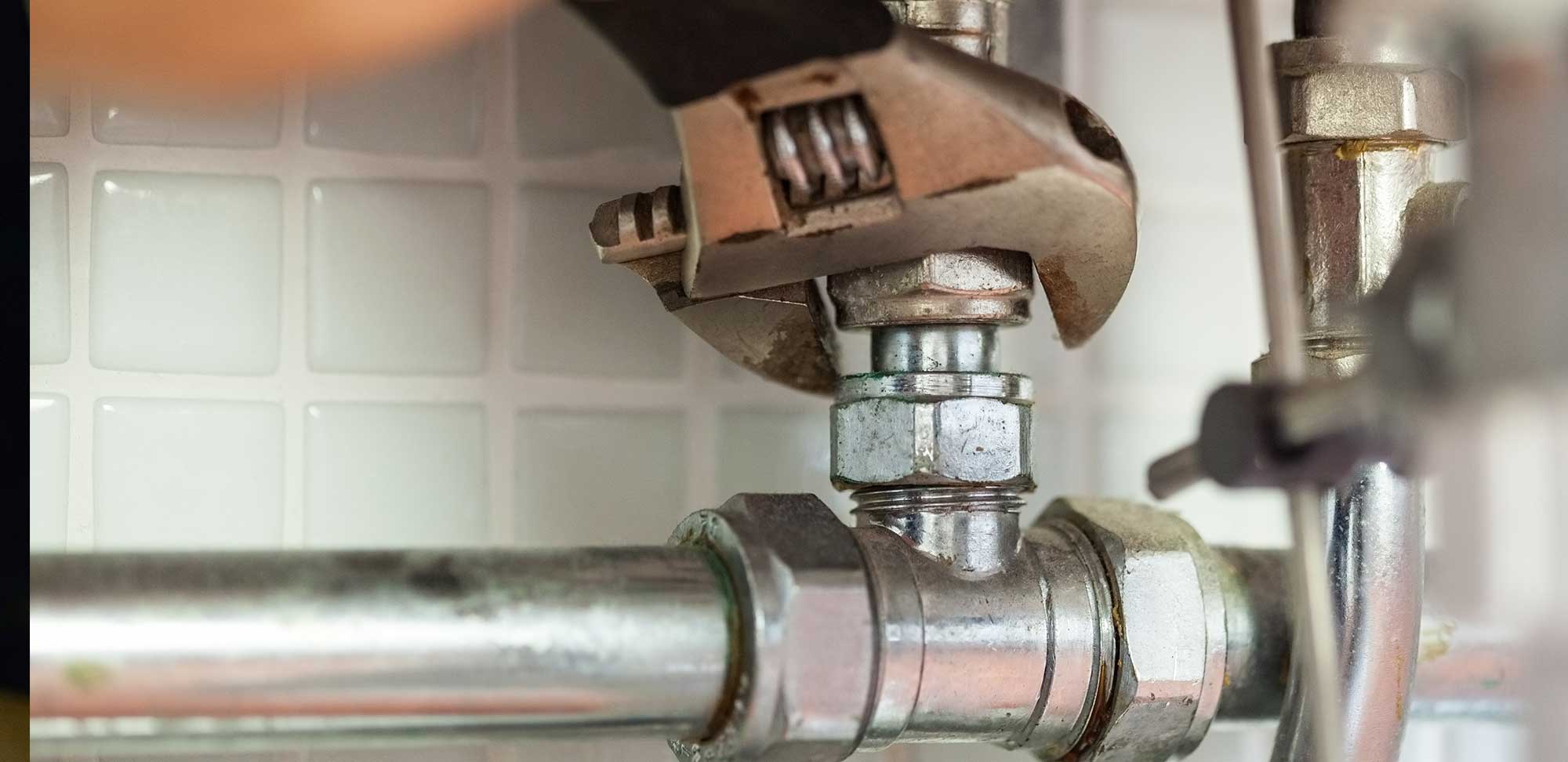
A single hidden leak can quietly waste thousands of gallons of water before anyone notices a problem. What starts as a small drip behind a wall or under a slab can turn into warped flooring, mold growth, and a repair bill that grows by the week. Investing in professional plumbing services for leak prevention is one of the most effective ways to catch these problems early and protect a home’s foundation, walls, and belongings from unnecessary damage.
Why Professional Plumbing Services for Leak Prevention Matter
Water leaks, no matter how minor, can quietly damage a home’s structure and drive up utility bills long before they become obvious. Understanding what goes into proper leak prevention is the first step toward protecting a property from that kind of long term damage.
What Professional Plumbing Services for Leak Prevention Include
A thorough leak prevention plan typically covers more than a single visit. It usually includes:
- Routine pipe inspections: Identifying corrosion, weak joints, or early cracking before a pipe fails outright.
- Water pressure checks: Confirming pressure stays within a safe range that will not stress fittings and connections over time.
- Leak detection technology: Locating hidden leaks behind walls, under floors, or underground without unnecessary digging or demolition.
- Prompt repairs: Fixing small issues immediately so they never have the chance to turn into major failures.
Taken together, these steps catch problems long before a homeowner would notice them on their own.
Common Causes of Plumbing Leaks and How to Avoid Them
Most plumbing leaks trace back to a handful of avoidable issues. Recognizing these common culprits makes it easier to take preventive action before a small problem becomes an expensive one.
Aging and Corroded Pipes
Pipes naturally weaken over time as they corrode and develop small cracks. Routine inspections catch aging pipes before they fail, and in some cases pipe repair services can extend the useful life of a section of plumbing rather than requiring a full replacement.
High Water Pressure
Water pressure that runs consistently high puts extra stress on every joint and fitting in a home’s plumbing system. A pressure reducing valve, installed and calibrated by a professional, keeps pressure within a safe range and reduces the odds of a sudden leak or burst pipe.
Tree Root Intrusion
Tree roots naturally seek out moisture, and underground pipes are an easy target once a root finds even a hairline crack. This is especially common with older sewer line repair cases, where roots have worked their way into a joint over several years. Locating and treating root intrusion early prevents a slow blockage from turning into a full backup.
Improper Installation or DIY Repairs
A quick DIY fix or a poorly done installation often leaves joints under sealed or fittings under tightened. These shortcuts tend to hold for a while before failing, which is why professional installation matters just as much as the materials themselves.
Aging Water Heaters and Failing Tank Connections
Water heaters are one of the most overlooked sources of a slow leak. A corroded tank, a loose fitting, or a failing pressure relief valve can drip for weeks before the damage becomes obvious, especially in a basement or utility closet that does not get checked often. Routine attention to water heater repair and installation catches these issues early, before a slow drip turns into a tank failure that floods the surrounding area.
How Plumbers Detect Hidden Leaks
Modern leak detection relies on tools that locate a problem accurately without tearing into walls or flooring unnecessarily. Professional leak detection typically involves a combination of the following:
- Acoustic leak detectors: These devices listen for the sound signature of water escaping inside walls, floors, or underground pipes.
- Thermal imaging cameras: Infrared technology reveals temperature changes caused by escaping water, even in spaces that are otherwise hard to reach.
- Video inspection equipment: Small, flexible cameras travel inside pipes to reveal cracks, blockages, or wear from the inside out.
These tools save time and reduce the amount of demolition needed to locate and fix a leak, which keeps repair costs lower for the homeowner.
Signs You May Have a Hidden Leak
Catching a leak early depends on recognizing the warning signs before damage spreads. A few common indicators include:
- Unexplained water bills: A sudden spike with no clear change in water use often points to a hidden leak.
- Visible water stains: Discoloration on walls, ceilings, or floors usually means water is finding its way through somewhere it should not be.
- Musty odors: Persistent dampness behind walls or under floors creates the ideal environment for mold and mildew.
- Low water pressure: A sudden drop in pressure can signal a leak somewhere along the line rather than a fixture problem.
Calling a professional at the first sign of any of these issues keeps a minor repair from turning into an expensive one. The table below offers a quick reference for matching a warning sign to a likely cause.
| Where You Notice It | What It Might Mean |
|---|---|
| Puddling near the water heater | Corroded tank or a loose fitting |
| Water stain under a sink | Worn supply line or a failing drain trap |
| Ceiling stain below a bathroom | Toilet or tub seal failure |
| Soggy yard with no recent rain | Leak in an underground water or sewer line |
Why Leak Prevention Saves You Money
Hiring a professional plumber for leak prevention might look like an added expense at first, but it is an investment that typically pays for itself over time.
Avoiding Costly Water Damage
Left unaddressed, leaks can weaken walls, floors, and even foundations, and the moisture they create is a common trigger for mold growth. Furniture, flooring, and other belongings can also suffer damage that is difficult or impossible to reverse once water has soaked in.
Improving Water Efficiency
Household leaks waste far more water than most people realize. According to the EPA WaterSense program, the average home loses thousands of gallons of water every year to leaks that go unnoticed, which quietly adds to monthly utility bills. Addressing leaks quickly keeps a plumbing system running efficiently and keeps that waste out of the water bill.
Extending the Life of Your Plumbing System
Routine maintenance and prompt repairs add years of useful life to a plumbing system. In cases where corrosion or damage has spread through a large section of a home, whole home re-piping services can reset the clock and reduce the odds of another leak developing in the same area down the road.
Seasonal Leak Risks Worth Watching For
Leak risk does not stay constant throughout the year. Cold weather causes water inside pipes to expand as it freezes, and that expansion can crack a pipe from the inside out, often in an unheated crawl space, attic, or exterior wall where the damage goes unnoticed until temperatures rise again. Heavy rain and snowmelt add a different kind of pressure, pushing more water toward sump pumps and foundation drains than they normally handle. A quick pre season check of exposed pipes, sump pump function, and any connections near an exterior wall goes a long way toward catching a seasonal leak before it becomes a seasonal flood.
Trust an Experienced Team With Your Plumbing System
The team at Schneider Plumbing, Heating & Air Conditioning has spent more than 70 years helping homeowners keep their plumbing systems reliable and leak free. Whether it is a routine inspection, a hidden leak that needs tracking down, or a repair that cannot wait, experienced plumbers bring the tools and know how to handle it correctly the first time.
Frequently Asked Questions
How often should I have my plumbing inspected for leaks?
Most homes benefit from a professional plumbing inspection once a year, though older homes or homes with a history of leaks may benefit from more frequent checks.
Can high water pressure really cause a leak?
Yes. Consistently high water pressure puts ongoing stress on pipes, joints, and fittings, which increases the likelihood of a leak or a sudden pipe failure over time. A pressure reducing valve helps keep pressure within a safe range.
What is the most common sign of a hidden leak?
An unexplained spike in a water bill is one of the most common signs of a hidden leak, especially when there has been no noticeable change in household water use.
Do tree roots really cause plumbing leaks?
Yes. Tree roots are drawn to the moisture inside underground pipes and can work their way into small cracks or loose joints over time, eventually causing leaks or blockages.
Is professional leak detection worth the cost?
Professional leak detection typically costs far less than the water damage, mold remediation, or structural repairs that result from a leak left undiscovered. Locating a leak early almost always saves money in the long run.
What should I do if I find a leak before help arrives?
Shut off the water at the main valve or the fixture’s local shutoff if it is easy to reach, move any furniture or belongings away from the area, and soak up standing water to limit further damage while waiting for a plumber to arrive.
Don’t let a small leak turn into a big problem. Schedule a plumbing inspection with our team today and keep your home’s plumbing system running efficiently and leak free.