



How Often Should You Schedule Heat Pump Maintenance?
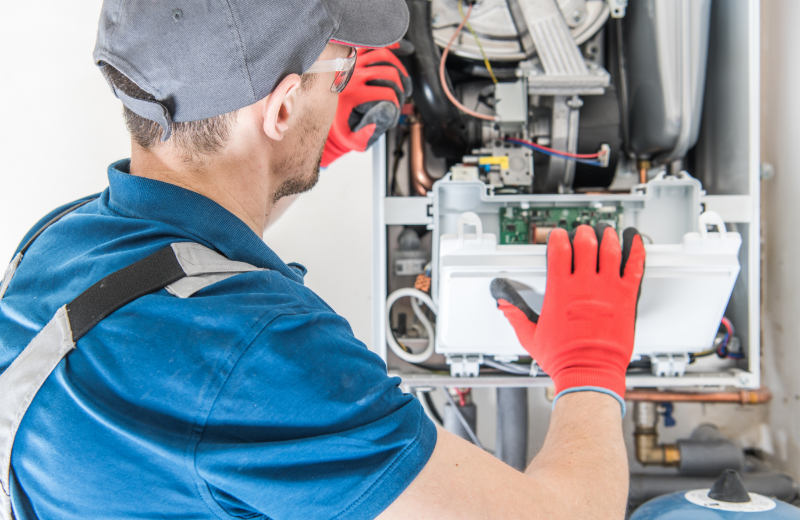
If you own a heat pump, you already know it is one of the most efficient ways to heat and cool your home year-round. But even the most advanced systems need regular care to keep performing at their best. Heat pump maintenance is the key to ensuring your unit runs smoothly, avoids costly breakdowns, and lasts for years to come. Neglecting maintenance can lead to efficiency losses, higher energy bills, and premature system failure, all of which are avoidable with the right care schedule.
Why Regular Heat Pump Maintenance Matters
Your heat pump is a workhorse. Unlike a traditional furnace or air conditioner that only runs during one season, a heat pump provides both heating and cooling, often operating nearly year-round. That near-constant use means it experiences more wear and tear than single-function systems, and more opportunity for small problems to grow into expensive ones.
When maintenance gets skipped, minor issues like a dirty filter or slightly low refrigerant can snowball into major failures. Here is what consistent service protects:
- Energy Efficiency: Dust, debris, and worn parts force your system to work harder and consume more electricity to deliver the same comfort.
- System Longevity: Well-maintained heat pumps regularly reach 15 years or more. Neglected systems often fail years ahead of schedule.
- Indoor Comfort: Proper maintenance keeps your heat pump maintaining even temperatures and reliable humidity control through every season.
- Warranty Protection: Many manufacturers require documented proof of professional maintenance to honor warranty claims. Skipping service can void coverage exactly when you need it most.
- Lower Repair Costs: Catching small problems early prevents them from becoming large, expensive emergencies.
How Often Should You Schedule Heat Pump Maintenance?
The short answer: twice a year. Because heat pumps run through both the heating and cooling seasons, they need more frequent professional attention than seasonal-only systems.
The Recommended Heat Pump Maintenance Schedule
| Task | Frequency | Who Does It |
|---|---|---|
| Professional tune-up | Twice per year (spring and fall) | Licensed HVAC technician |
| Filter cleaning or replacement | Every 1 to 3 months | Homeowner |
| Outdoor unit inspection and clearing | Monthly | Homeowner |
| Thermostat check and calibration | Seasonally | Homeowner or technician |
| Coil cleaning and refrigerant check | Annually (included in tune-up) | Licensed HVAC technician |
Why Twice a Year for Heat Pump Maintenance?
Unlike a furnace that earns a single pre-winter tune-up, your heat pump works double duty all year. A spring visit preps it for long cooling cycles during Indiana’s hot, humid summers. A fall visit ensures reliable heat production before cold weather sets in. Skipping either appointment leaves your system vulnerable during peak demand, when breakdowns are most disruptive and service appointments are hardest to get.
Scheduling both visits in advance through a Schneider service agreement is the easiest way to stay on track without having to remember to call each season.
What a Professional Heat Pump Tune-Up Includes
A professional maintenance visit is far more thorough than a quick visual inspection. Technicians inspect, clean, test, and adjust key components to ensure the system is operating as efficiently and safely as possible.
Filter Service and Refrigerant Inspection
A clogged air filter is one of the leading causes of reduced airflow and elevated energy consumption. During your tune-up, the technician will clean or replace the filter and verify airflow is unrestricted throughout the system.
Refrigerant levels are checked and corrected as needed. Too little refrigerant prevents effective heat transfer and can damage the compressor over time. Too much creates dangerous pressure levels that stress components and shorten system life.
Electrical and Mechanical Component Checks
The technician will test and tighten all electrical connections, inspect capacitors, contactors, and relays, lubricate moving parts, and verify that safety controls and emergency shutoffs function correctly. Loose or corroded connections are a common cause of inefficient cycling and, in worse cases, electrical fires.
Coil Cleaning and Heat Transfer Efficiency
Both the indoor evaporator coil and the outdoor condenser coil are inspected and cleaned during a professional heat pump maintenance visit. Dirty coils significantly reduce heat transfer efficiency, forcing the system to run longer cycles and consume more energy to reach the same result.
Defrost Cycle Verification
Indiana winters regularly push temperatures low enough to trigger ice buildup on the outdoor unit. Heat pumps are designed with a defrost cycle to handle this automatically, but a malfunctioning defrost board or sensor can allow ice to accumulate unchecked, damaging the unit. Your technician will verify the defrost cycle engages and completes properly before cold weather arrives.
Thermostat Calibration
A thermostat that reads even a couple of degrees off can cause the system to overshoot or undershoot your comfort targets, wasting energy and creating uneven temperatures. If you are still running a basic thermostat, this is also a good time to discuss the benefits of a smart thermostat upgrade, which can further reduce energy consumption by learning your schedule and adjusting automatically.
What Homeowners Can Do Between Professional Visits
Professional tune-ups are essential, but what you do between appointments also matters. These simple habits extend the life of your system and keep it running efficiently month to month.
- Change filters on schedule: Every 1 to 3 months depending on household factors like pets, allergies, and local dust levels. A clogged filter is one of the easiest problems to prevent and one of the most damaging to ignore.
- Keep the outdoor unit clear: Maintain at least 18 to 24 inches of clearance around the unit. Remove leaves, grass clippings, and debris regularly. In winter, clear snow and ice buildup carefully without bending the fins.
- Clean vents and registers: Blocked supply and return vents restrict airflow and force the system to compensate, consuming more energy and creating uneven comfort.
- Monitor thermostat performance: If you notice the system cycling on and off more frequently than usual or struggling to reach the set temperature, that is a signal worth investigating before it becomes a larger repair.
- Listen for changes: Unusual sounds like rattling, grinding, or squealing are early warning signs. Catching them early typically means a minor fix rather than a major repair.
Signs Your Heat Pump Needs More Than Routine Maintenance
Sometimes a tune-up reveals a problem that requires more than standard service. Watch for these signs between appointments, as they indicate it is time to call for a repair evaluation rather than waiting for your next scheduled visit:
- The system runs constantly but cannot reach the target temperature
- Ice forms on the outdoor unit outside of normal defrost cycles
- Unusual noises persist after a recent service visit
- Energy bills spike without a change in usage habits
- The system blows air that is not noticeably warmer or cooler than room temperature
- Refrigerant lines show visible frost or the unit emits a chemical odor
If any of these apply to your system, heat pump repair in Seymour should be scheduled promptly. Delaying often turns a straightforward fix into a more costly one.
The Cost of Skipping Heat Pump Maintenance
Skipping a service appointment when the system seems to be working is a common and costly mistake. Here is what you are risking:
- Higher monthly energy bills: Even a modest efficiency loss from dirty coils or low refrigerant can add hundreds of dollars annually to your utility costs.
- Emergency repair costs: Repairs needed during peak summer or winter demand are more expensive and often involve longer wait times for parts and service.
- Shortened system life: A heat pump that should last 15 years may fail at 8 to 10 without consistent care, forcing an early replacement investment.
- Voided warranties: Most manufacturers require documented proof of biannual professional maintenance to honor parts and labor warranty claims.
The cost of a professional tune-up is modest compared to any of these outcomes. Viewed as a recurring investment, routine HVAC maintenance in Seymour consistently delivers a positive return.
Heat Pump Maintenance vs Maintenance Plan: Which Makes More Sense?
Scheduling individual tune-up appointments each spring and fall works, but a maintenance plan takes the guesswork out entirely. With a service agreement, your visits are scheduled automatically, you receive priority booking during busy seasons, and many plans include discounts on parts and labor if a repair is needed during the covered period.
For homeowners who want consistent protection without having to remember to call twice a year, a Schneider service agreement is worth a close look. It is the simplest way to ensure your heat pump never misses a scheduled service.
Indiana Climate and Your Heat Pump: What Makes This Area Different
Heat pumps in southern Indiana face demands that are tougher than many other regions. Jackson and Jennings County summers bring heat and humidity that push cooling systems hard from June through August. Winters, while not extreme, regularly dip into temperatures where heat pump efficiency drops and backup heat sources may engage.
This climate reality makes the twice-yearly maintenance schedule even more important here than in milder regions. Spring service after a cold winter ensures the refrigerant, coils, and electrical components are in full working order before the summer cooling load begins. Fall service after months of cooling duty catches wear before the heating season demands begin. The U.S. Department of Energy recommends professional annual or biannual service for all heat pump systems, a recommendation that makes particular sense in climates with distinct heating and cooling seasons like Indiana’s.
If you are still weighing whether a heat pump is the right long-term investment for your home, our overview of heat pump installation in Seymour covers what to expect from the process and which system configurations work best in this area.
Frequently Asked Questions: Heat Pump Maintenance
How often should heat pump maintenance be scheduled?
Twice per year is the professional standard for heat pumps. Schedule one visit in spring before the cooling season begins and one in fall before heating season. Because heat pumps run year-round, they need more frequent service than furnaces or central air conditioners that only operate one season.
What happens if I skip heat pump maintenance?
Skipping maintenance increases the risk of reduced efficiency, higher energy bills, unexpected breakdowns, and a shorter overall system lifespan. Many manufacturers also require documented professional service to keep warranty coverage valid. A single missed tune-up may seem harmless, but the cumulative effect of inconsistent maintenance is measurable over time.
How long does a heat pump tune-up take?
Most professional heat pump maintenance visits take between 60 and 90 minutes for a standard system. More complex systems or units that have not been serviced in more than a year may take longer if additional cleaning or adjustments are needed.
Can I do heat pump maintenance myself?
Homeowners can handle filter changes, outdoor unit clearing, and basic visual checks. However, tasks like refrigerant level checks, coil cleaning, electrical testing, and defrost cycle verification require licensed technicians with the proper tools and certifications. Attempting refrigerant work without an EPA 608 certification is illegal.
How do I know if my heat pump needs repairs instead of just maintenance?
If your system is struggling to reach temperature, making unusual noises, showing ice buildup outside of normal defrost cycles, or driving up energy bills without explanation, those are signals for repair rather than routine maintenance. Schedule a diagnostic visit with our team for heat pump repair in Seymour rather than waiting for the next tune-up date.
Is a maintenance plan worth it for a heat pump?
For most homeowners, yes. A maintenance plan removes the burden of remembering to call twice a year, guarantees priority scheduling during busy seasons, and often includes repair discounts that more than offset the plan cost. Review the Schneider service agreement options to find the right fit for your home.
Keep Your Heat Pump Ready for Every Season
Your heat pump works year-round to keep your home comfortable, and it deserves consistent care in return. Two professional visits per year, combined with basic homeowner upkeep between appointments, is all it takes to protect your investment and avoid the stress of an unexpected breakdown.
Schneider Plumbing, Heating & Air Conditioning has served homeowners throughout Jackson and Jennings County for over 70 years. Our licensed technicians know heat pump systems inside and out and will make sure yours is ready for whatever the Indiana weather brings next.
Contact us today to schedule your next heat pump maintenance visit or to ask about our service agreement options.