



How Much Does an Emergency Plumber Cost?
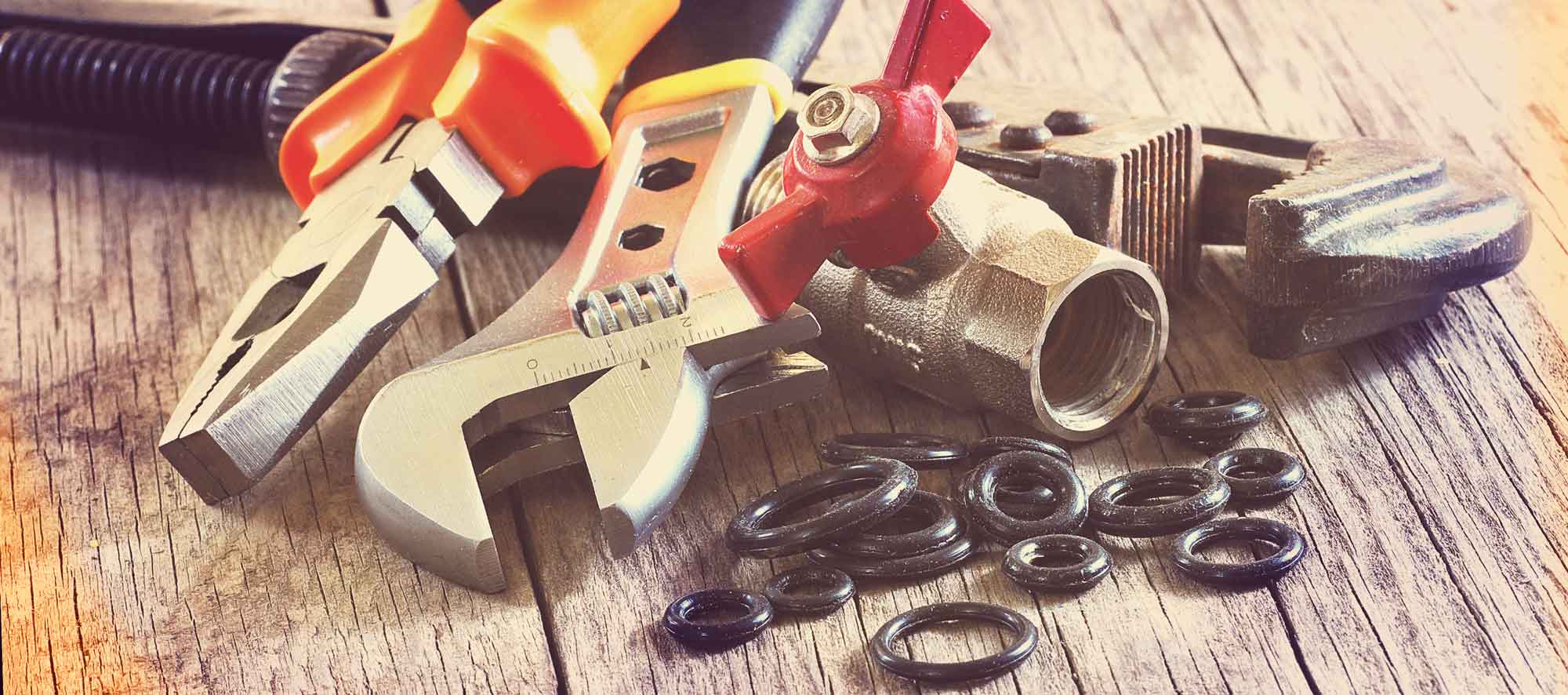
When a pipe bursts or a drain backs up at midnight, you don’t have time to wait until morning. You need help fast, but how much does an emergency plumber cost? The short answer is that the total can vary based on when you call, where you live, what’s broken, and what parts are needed. The long answer involves understanding the unique components that make up emergency plumbing pricing, and how you can keep costs under control while protecting your home from damage.
Below, we’ll explore the biggest factors that influence after-hours plumbing costs, what you can do before the technician arrives, and smart ways to avoid paying premium rates.
Emergency Plumber Cost: After-Hours Pricing Explained
Most plumbing companies keep standard service hours, typically 8 a.m. to 5 p.m. Monday through Friday. When you call outside that window, on weekends, holidays, or overnight, your plumber may charge an after-hours or emergency fee. These fees compensate technicians for being available 24/7 and cover the extra logistics of dispatching help outside normal business operations.
After-Hours Fees and Minimum Charges
An emergency service fee is often added to your regular labor charge. In many areas, this fee ranges between $70 and $200, though rates can vary depending on location and urgency. Some companies also set a minimum service charge for emergency calls, meaning even a quick fix has a baseline cost.
For example, if a plumber’s standard hourly rate is $125, a weekend emergency call might cost $250 or more for the first hour, with additional hours billed at a reduced rate.
Holiday and Weekend Premiums
Plumbing emergencies don’t take holidays off, and neither do the professionals who respond to them. Calls on holidays like Thanksgiving, Christmas, or New Year’s Day often include an additional premium, sometimes 1.5 to 2 times the regular rate.
If possible, and if your situation isn’t causing active flooding or safety hazards, waiting until business hours may save you hundreds. We’ll cover when it’s safe to wait in the next section.
Emergency Plumber Cost vs. Scheduled Service: When to Wait
Some issues feel urgent but aren’t true emergencies. Understanding the difference can help you decide whether to call right away or schedule a next-day appointment at standard rates.
Emergency issues that require immediate attention include:
- A burst or leaking pipe you can’t stop with a shutoff valve
- A sewage backup or major toilet overflow
- No running water in the home
- Gas or water heater leaks posing safety risks
Issues that can often wait until morning include:
- Slow drains or minor clogs
- Small, contained leaks under a sink
- A malfunctioning garbage disposal
- Routine fixture replacements
If you can safely stop the water flow or isolate the affected area, scheduling a standard appointment instead of an emergency visit can significantly reduce your final bill.
Emergency Plumber Cost Factors: Leak Type, Parts, Travel
Once a technician arrives, several other cost components influence your total. Every plumbing job is unique, and the price reflects both the complexity of the issue and the resources required to fix it.
Type and Severity of the Problem
A small leak at a faucet connection may take 30 minutes to fix, while a burst main line under your home could take hours. The scope of repair is the single biggest driver of cost. Common emergency plumbing scenarios include:
- Pipe bursts: $150–$1,000+ depending on location and pipe material.
- Sewer line blockages: $200–$500 for snaking; more for camera inspections or hydro-jetting.
- Water heater leaks: $150–$800, depending on whether repair or replacement is required.
- Toilet or drain overflows: $125–$300 depending on complexity and cleanup.
The more labor-intensive or invasive the repair, the higher the total cost.
Parts and Replacement Materials
Emergency repairs often require immediate access to replacement parts, such as valves, seals, couplings, or new sections of pipe. If your plumber must source specialty parts after hours or make a return trip, that adds both material and labor costs.
In some cases, the technician may temporarily patch or bypass the issue to restore service, then return during regular hours to perform a full repair at a lower rate.
Travel Time and Service Area
Many plumbers charge travel fees or mileage outside a standard service radius. This helps cover fuel, vehicle wear, and the time spent commuting to your location. Rural homeowners or those in outlying areas may see slightly higher bills than those in town centers.
If you live in a remote area, you can often minimize travel-related fees by calling a local provider instead of a regional chain. Local, family-owned companies, like Schneider Plumbing, Heating & Air Conditioning, typically maintain better availability and lower travel costs for nearby residents.
What to Do Before the Tech Arrives (Damage Control)
Even if you’ve already called for help, there’s plenty you can do to control damage and protect your home before your plumber arrives. A few quick steps can prevent hundreds or even thousands in additional repairs.
Shut Off the Water
Locate your main shutoff valve, usually found near the water meter, basement, or where the main line enters your home. Turn the handle clockwise to stop the water flow. For smaller leaks, you can also close localized shutoff valves near sinks, toilets, and appliances.
If you’re unsure where your shutoff is, look for it before an emergency strikes. Labeling it for future use is a small but smart safety measure.
Turn Off the Water Heater
If you’ve shut off the main water supply, it’s a good idea to turn off your water heater as well. This prevents heat from building up inside an empty tank, which can cause damage. For gas models, turn the dial to “pilot.” For electric, switch off the breaker in your electrical panel.
Contain and Clean Up Leaks
Use buckets, towels, or mops to control standing water. Dry affected areas as best you can to prevent mold growth and damage to flooring or drywall. If water is coming through the ceiling, place a bucket underneath and puncture a small hole at the lowest point to relieve pressure and prevent the ceiling from collapsing.
Document the Damage
If your plumbing emergency caused property damage, take photos before cleanup for insurance purposes. Having clear evidence of the incident can simplify claims later.
Memberships, Coupons, and Financing Options
Nobody wants to face an unexpected plumbing bill, especially during an emergency. The good news is that many plumbing companies offer discount programs, service memberships, or financing options to make costs more manageable.
Maintenance Memberships
A plumbing or HVAC membership plan can be a lifesaver. For an annual fee, you typically receive priority scheduling, discounted rates, and free or low-cost inspections. Regular maintenance helps catch problems early, reducing the risk of future emergencies.
Members often pay less for after-hours service or avoid emergency fees altogether, depending on the plan.
Seasonal Coupons and Promotions
Before calling, check the company’s website or social media for coupons or limited-time offers. Many local plumbers post deals for first-time customers, veterans, or seniors.
A five-minute search could save you a significant amount on your service call.
Financing Large Repairs
Major plumbing issues like water heater replacements or sewer line repairs can cost thousands. If the work can’t wait, ask about financing options. Many reputable companies partner with lenders to offer payment plans with low or no interest for qualifying customers.
This flexibility allows you to address urgent repairs without straining your budget.
How to Choose a 24/7 Plumber You Can Trust
Not all plumbing companies offer true emergency service, and among those that do, quality can vary widely. Choosing the right provider ensures not just faster response times but peace of mind that your home is in skilled hands.
Look for Local Experience
Local plumbers have a vested interest in their community. They understand area-specific issues like hard water, older pipe materials, and seasonal freezing risks. Longstanding local companies often maintain better relationships with suppliers and can access parts faster than national franchises.
A trusted local name like Schneider Plumbing, Heating & Air Conditioning has built decades of credibility by serving families across Jackson and Jennings County.
Verify Licensing, Insurance, and Availability
Always confirm that your emergency plumber is properly licensed and insured. This protects you from liability if something goes wrong during the repair. A legitimate company should have no problem providing credentials upon request.
Also, verify 24/7 availability. Some companies advertise “emergency service” but only return calls during business hours. True emergency providers answer phones at all hours and can dispatch technicians immediately.
Read Customer Reviews
Online reviews and testimonials provide valuable insight into reliability, communication, and professionalism. Look for patterns, positive or negative. A company with consistent praise for punctuality and workmanship is likely a safe choice.
Reviews mentioning technicians by name often signal a company that values personal accountability and long-term customer relationships.
Ask About Pricing Transparency
No one likes hidden fees, especially during a stressful situation. When you call, ask for a clear explanation of rates and what’s included. A trustworthy company will outline:
- The emergency service fee or after-hours surcharge
- Hourly labor rates
- Additional fees (travel, parts, cleanup, etc.)
Transparent pricing builds confidence and helps you make an informed decision without pressure.
Avoiding Premium Rates: Prevention and Planning
While plumbing emergencies can’t always be predicted, proactive maintenance drastically reduces the chances of a midnight leak. Here are a few preventive steps homeowners can take:
Schedule Regular Plumbing Inspections
Have your plumbing system inspected annually to catch corrosion, slow leaks, and pressure issues before they become disasters. Inspections are especially valuable in older homes with galvanized or polybutylene pipes.
Insulate Pipes in Cold Weather
Frozen pipes are a leading cause of wintertime plumbing emergencies. Insulate exposed pipes in crawlspaces, basements, and attics. During extreme cold, let faucets drip slightly to keep water moving.
Replace Aging Water Heaters
Most water heaters last 8–12 years. As they age, internal corrosion can cause leaks that appear suddenly and lead to costly damage. Replacing your unit proactively avoids emergency replacements later.
Know Your Shutoff Valves and Emergency Contacts
Label your home’s water shutoffs and keep your plumber’s number saved in your phone. The faster you act, the less water damage you’ll face, and the lower your emergency plumber cost will be.
Understanding Your Emergency Plumber Cost
An emergency plumber cost depends on when you call, how severe the problem is, and what’s needed to fix it. After-hours rates are higher because they cover technician availability, travel, and the urgency of restoring vital services.
Still, you have options. Knowing when to wait, shutting off water quickly, and working with a trusted local company can keep expenses reasonable while protecting your property.
For homeowners in Jackson and Jennings County, the choice is simple.
Call the Experts at Schneider Plumbing, Heating & Air Conditioning
For over 70 years, Schneider Plumbing, Heating & Air Conditioning has been the reliable choice for homeowners throughout Jackson and Jennings County. As a family-owned business, our mission has always been to improve comfort, safety, and peace of mind through expert plumbing, heating, and cooling services.
Whether you’re dealing with a burst pipe at 2 a.m. or just need advice on preventive maintenance, our certified technicians are here to help, day or night. We take pride in transparent pricing, prompt response times, and lasting repairs you can count on.
Contact us today to schedule service or learn more about how our team can protect your home from unexpected plumbing emergencies.