



Mini Split vs Central Air Cost: Which System Costs Less?
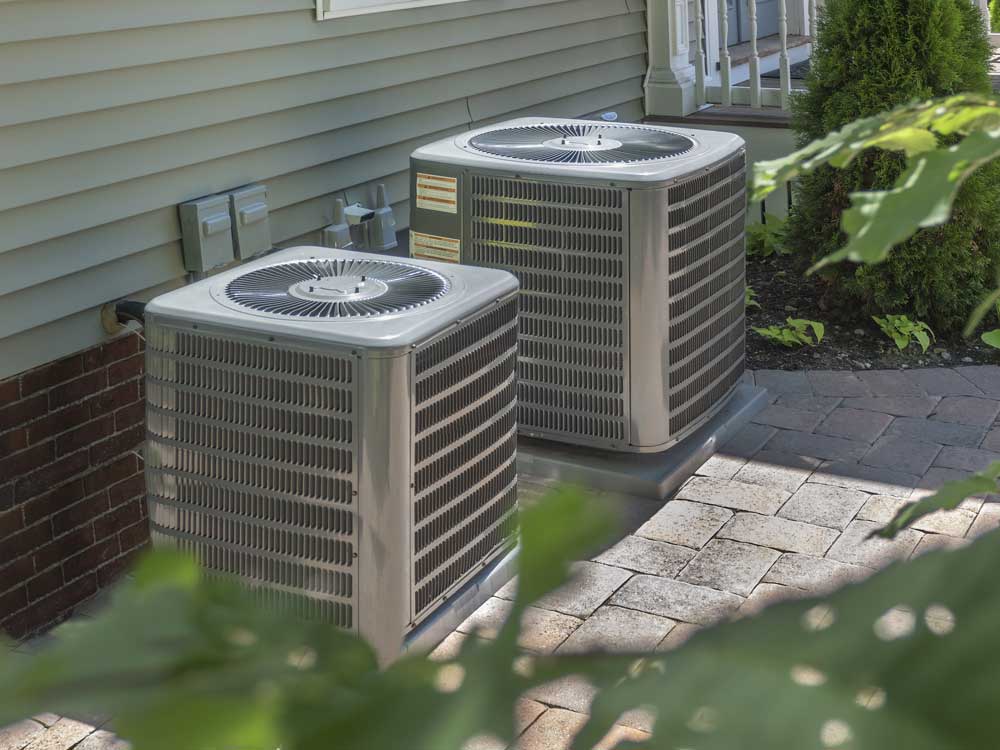
When homeowners start comparing mini split vs central air cost, the conversation usually begins and ends with installation prices. The real answer is more nuanced. To know which system is more affordable for your home, you need to factor in upfront installation, monthly operating costs, maintenance, energy efficiency, and long-term total cost of ownership. This guide breaks it all down so you can make a confident, cost-informed decision for your Indiana home.
Mini Split vs Central Air Cost: Install Price Breakdown
The biggest and most immediate difference between ductless mini splits and central air systems is what it costs to get them running in your home.
- Central Air Installation: Installing central air typically costs between $3,500 and $7,500 for a standard home, assuming existing ductwork is in place. If ducts are old, leaky, or missing entirely, tack on an additional $2,000 to $10,000 to add or replace them.
- Mini Split Installation: A single-zone ductless mini split in Seymour generally costs between $2,000 and $5,000 installed. Whole-home multi-zone setups run $8,000 to $15,000. Each added indoor unit increases the price, but you avoid the major expense of ductwork entirely.
Mini Split vs Central Air Cost: Best Option for Homes Without Ducts
If your home lacks ductwork or has ducts in poor condition, mini splits win on cost almost every time. Adding new ductwork to an older home can mean opening up walls, floors, and ceilings, dramatically increasing price and disruption. Mini splits only need a small wall penetration to connect the indoor and outdoor units.
Verdict: If you already have modern, well-sealed ductwork, central air can be cheaper to install upfront. In ductless homes, ductless mini split installation is almost always the more cost-effective path forward.
Mini Split vs Central Air Cost to Run: Efficiency and Monthly Bills
Once installed, the question shifts to what you will pay each month to stay comfortable. This is where mini splits pull ahead significantly.
- Efficiency Ratings (SEER2): Mini splits typically carry SEER2 ratings of 20 to 30, compared to central air systems that average 14 to 20 SEER2. Higher SEER2 means more cooling output per dollar of electricity consumed.
- Operating Costs: For a 2,000-square-foot home in Indiana, central air can add $100 to $150 per month to your summer electric bill. A comparable ductless mini split system could save 20 to 30%, cutting $20 to $45 per month off your costs.
- Heating Advantage: Many mini splits double as heat pumps, providing efficient heating in winter without a separate furnace. For homes without natural gas service, this all-in-one capability makes them significantly more economical year-round. See what that looks like with heat pump installation in Seymour.
Mini Split vs Central Air Cost Over 10 Years (Total Cost of Ownership)
Monthly bills are only part of the picture. Here is a side-by-side comparison of 10-year total cost of ownership for both systems:
| Cost Category | Central Air (with ducts) | Multi-Zone Mini Split |
|---|---|---|
| Installation | $5,000 to $7,500 | $8,000 to $15,000 |
| Operating (10 years) | $12,000 to $15,000 | $9,000 to $12,000 |
| Maintenance and Repairs | $1,500 to $3,000 | $1,000 to $2,000 |
| 10-Year Total | $18,500 to $25,500 | $18,000 to $29,000 |
On paper, the 10-year cost of ownership is close. But in homes without existing ductwork, the cost of adding ducts to a central system pushes the total far higher, often making the mini split the clear winner over the long haul.
Rebates and Tax Credits That Affect the Cost Comparison
One factor many homeowners overlook when comparing mini split vs central air cost is the availability of federal tax credits and utility rebates, which can shift the numbers considerably.
- Federal Tax Credit (25C): Under the Inflation Reduction Act, qualifying heat pump mini splits may be eligible for a federal tax credit of up to $2,000 per year. Central air systems may also qualify for a smaller credit if they meet efficiency thresholds. Check current requirements at EnergyStar.gov.
- Indiana Utility Rebates: Local utilities throughout Jackson and Jennings County sometimes offer additional rebates for high-efficiency HVAC upgrades. Always ask your utility provider before scheduling installation to see what programs apply.
- Impact on True Cost: A $2,000 federal credit applied to a $10,000 mini split install brings your out-of-pocket cost down to $8,000, effectively closing the upfront gap with central air considerably.
A qualified HVAC company in Seymour can help you identify which systems qualify and ensure your installation is done to the standards required for credit eligibility.
Comfort, Noise, and Aesthetics: Beyond the Numbers
Cost matters, but so does how a system actually lives in your home day to day.
- Comfort and Zoning: Mini splits let you control the temperature in each room independently. Cool the bedroom at night without wasting energy on unoccupied spaces. Central air cools the whole home evenly, which is more convenient but less flexible.
- Noise Levels: Mini splits operate as quietly as 19 decibels indoors. Central air systems push air through ductwork, and even the quietest setups tend to be noticeably louder.
- Aesthetics: Some homeowners prefer the seamless look of vents and grilles with central air. Wall-mounted mini split handlers are more visible, though modern slim designs have significantly improved the look in recent years.
Maintenance and Lifespan: Mini Split vs Central Air Cost Over Time
Ongoing maintenance requirements and system lifespan both have a real impact on long-term value. Staying consistent with HVAC maintenance in Seymour is critical regardless of which system you choose.
- Mini Splits: Filters need cleaning monthly. Professional service annually. Average lifespan of 15 to 20 years.
- Central Air: Filter replacement quarterly, duct cleaning every 5 to 7 years, annual service recommended. Average lifespan of 12 to 15 years.
Mini splits generally last longer and sidestep the hidden costs of duct cleaning and duct repair. They do, however, require consistent attention to each indoor unit’s filter. If you want to review what professional upkeep looks like for heat pump systems specifically, see our post on how often you should schedule heat pump maintenance.
How to Size the Right System for Your Home
Getting the correct size system matters as much as choosing the right type. An undersized unit runs constantly and drives up energy bills. An oversized unit short-cycles, reduces humidity control, and wears out prematurely.
- Manual J Load Calculation: A proper HVAC sizing assessment accounts for your home’s square footage, insulation levels, window placement, ceiling height, and local climate. This step is not optional if you want the system to perform as advertised.
- Single-Zone vs Multi-Zone: For a room addition, a garage apartment, or a home office, a single-zone mini split may be all you need. Larger homes with multiple living areas benefit from a multi-zone setup, though costs increase with each indoor unit added.
- Indiana Climate Considerations: The Seymour area experiences hot, humid summers and cold winters. Systems rated for high efficiency across both heating and cooling ranges will deliver the best year-round value in this climate.
Our team provides professional sizing assessments as part of every AC installation in Seymour to make sure you get the right equipment for your specific home.
Which System is Right for Your Indiana Home?
Every home is different. Here is a practical decision guide based on the most common situations homeowners face:
- Older Home Without Ducts: Mini splits are almost always the more affordable and less disruptive option.
- Home With Modern Ductwork: Central air may be cheaper upfront and delivers a cleaner visual look inside the home.
- Multi-Zone Comfort Goals: Mini splits provide room-by-room control that central air cannot match.
- Year-Round Heating and Cooling Needs: Mini splits double as heat pumps and are an excellent all-in-one solution for homes without natural gas service.
- Aging or Failed Central Air System: If your current system is near end of life, compare your options carefully. A full AC replacement in Seymour does not have to mean a like-for-like swap. A mini split could be the smarter long-term investment. See our breakdown of how much AC replacement costs to put real numbers to that comparison.
Frequently Asked Questions: Mini Split vs Central Air Cost
Is a mini split cheaper than central air overall?
It depends on your home’s setup. In homes without ductwork, mini splits are almost always cheaper once you factor in the cost of adding or replacing ducts for a central system. In homes with existing modern ductwork, central air can be cheaper to install upfront. That said, mini splits typically cost less to operate each month due to higher efficiency ratings.
How long does a ductless mini split last compared to central air?
Mini splits generally last 15 to 20 years with proper maintenance. Central air conditioners average 12 to 15 years. The longer lifespan of mini splits can offset their higher initial cost in multi-zone installations, making them a strong long-term value in the right home.
Can a mini split heat and cool my home?
Yes. Most modern mini splits function as heat pumps, providing efficient cooling in summer and heating in winter. This makes them a practical all-in-one solution, particularly for homes without natural gas service or for homeowners looking to reduce their reliance on fossil fuels.
What SEER2 rating should I look for?
Look for a SEER2 rating of at least 20 to see meaningful energy savings compared to central air. Many top-tier mini split brands offer ratings of 25 to 30 SEER2, which can noticeably reduce monthly operating costs during Indiana’s hot and humid summers.
Do mini splits qualify for the federal tax credit?
Qualifying heat pump mini splits may be eligible for a federal tax credit of up to $2,000 under the Inflation Reduction Act’s 25C provisions. Eligibility depends on efficiency ratings and installation requirements. Check EnergyStar.gov for current qualification details and consult a tax professional about your specific situation.
Is mini split installation disruptive to my home?
Mini split installation is significantly less disruptive than adding ductwork to an older home. The process typically requires only a small wall penetration for the line set connecting the indoor and outdoor units. Most single-zone installations are completed in one day.
Final Thoughts
When weighing mini split vs central air cost, there is no single right answer. Mini splits generally cost more upfront for multi-zone systems but deliver long-term savings through higher efficiency, longer lifespan, and lower monthly operating costs. Central air remains the cost-effective choice for homes with modern ductwork already in place. The best decision depends on your home’s layout, your comfort goals, and how long you plan to stay.
Schneider Plumbing, Heating & Air Conditioning has served homeowners throughout Jackson and Jennings County for over 70 years. Whether you are exploring a new ductless mini split installation, comparing systems for a full AC replacement in Seymour, or simply want honest advice tailored to your specific home, our family-owned team is here to help.
Contact us today to schedule a consultation and get expert guidance on the most cost-effective, comfortable solution for your home.