The Schneider Team represents the licensed plumbers and HVAC technicians at Schneider Plumbing, Heating and Air Conditioning, a family-owned business serving Seymour, Indiana since 1948. Founded by Louis Schneider and now run by the third generation of the family, our team combines decades of field experience with a straightforward approach to service. We write to help homeowners understand their systems, spot problems early, and know when it's time to call a professional.
A malfunctioning HVAC system can be frustrating, especially when you’re trying to stay comfortable during extreme weather. Fortunately, not every issue requires professional intervention. With a bit of guidance, you can perform several DIY HVAC repairs to resolve common issues.
1. Check and Replace the Air Filter
One of the most common reasons an HVAC system struggles is a clogged or dirty air filter. Filters collect dust, debris, and allergens to improve indoor air quality, but when they get dirty, airflow becomes restricted.
Steps to Replace Your Air Filter:
Locate the filter in your HVAC unit. It’s usually found behind a vent cover or inside the air handler.
Turn off the HVAC system before opening the cover.
Remove the old filter and inspect it. If it’s clogged with dust and debris, it’s time for a replacement.
Insert the new filter with the airflow arrow pointing in the correct direction.
Pro Tip: Change your filter every 1–3 months to prevent airflow problems and improve energy efficiency.
2. Inspect the Thermostat
A thermostat that’s not functioning correctly can cause your HVAC system to behave erratically. Before assuming your system is broken, double-check your thermostat settings.
Steps to Troubleshoot Your Thermostat:
Ensure the thermostat is set to “heat” or “cool” depending on the season.
Verify that the temperature is set several degrees above (in winter) or below (in summer) the current room temperature.
Replace the batteries if your thermostat has them.
If your thermostat screen is blank, check the circuit breaker for a tripped switch.
Pro Tip: Consider upgrading to a programmable or smart thermostat for improved energy efficiency and control.
3. Reset Your Circuit Breaker
If your HVAC system won’t turn on at all, a tripped circuit breaker may be the culprit. This can happen after a power surge or electrical overload.
Steps to Reset Your Breaker:
Locate your home’s electrical panel, usually found in a utility room, basement, or garage.
Look for a tripped breaker—it will be slightly off from the rest.
Flip the breaker switch off, then turn it back on.
If the breaker continues to trip, this could indicate a deeper electrical issue, and it’s time to call a professional.
4. Clean the Outdoor Unit (Condenser Coil)
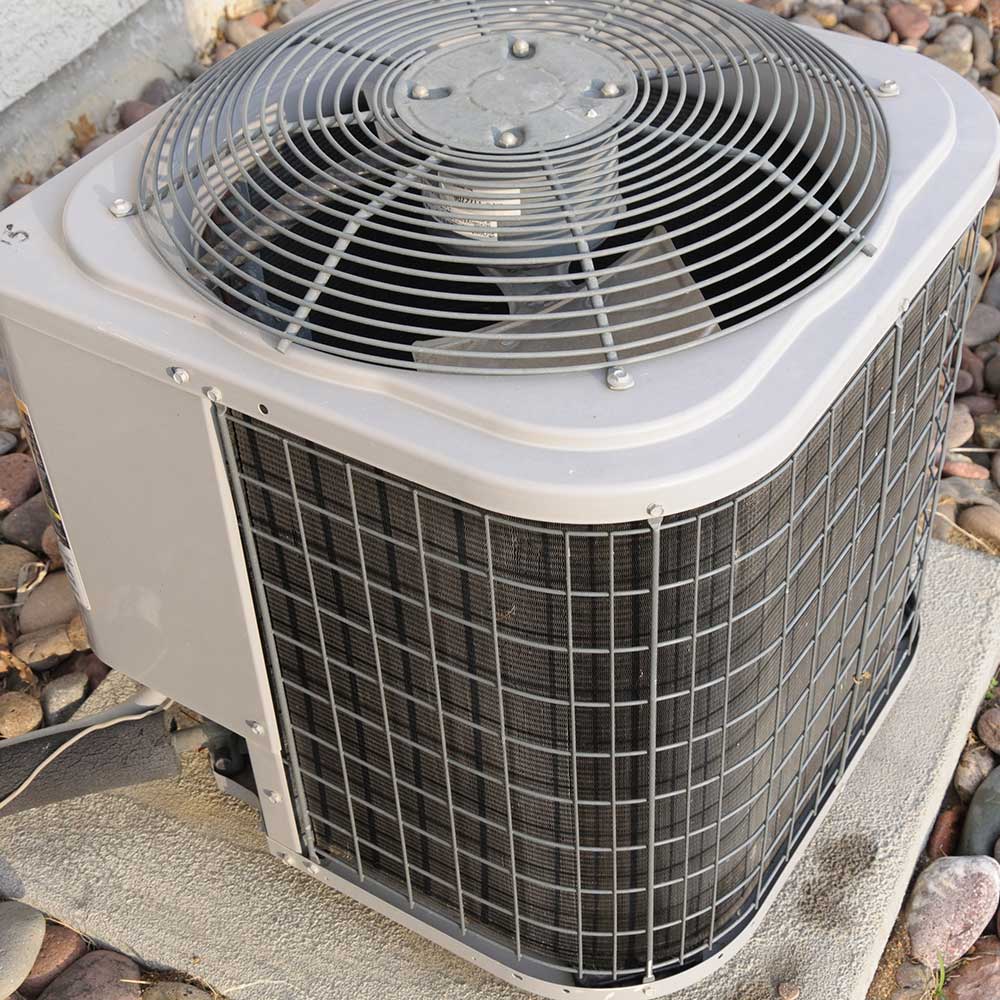
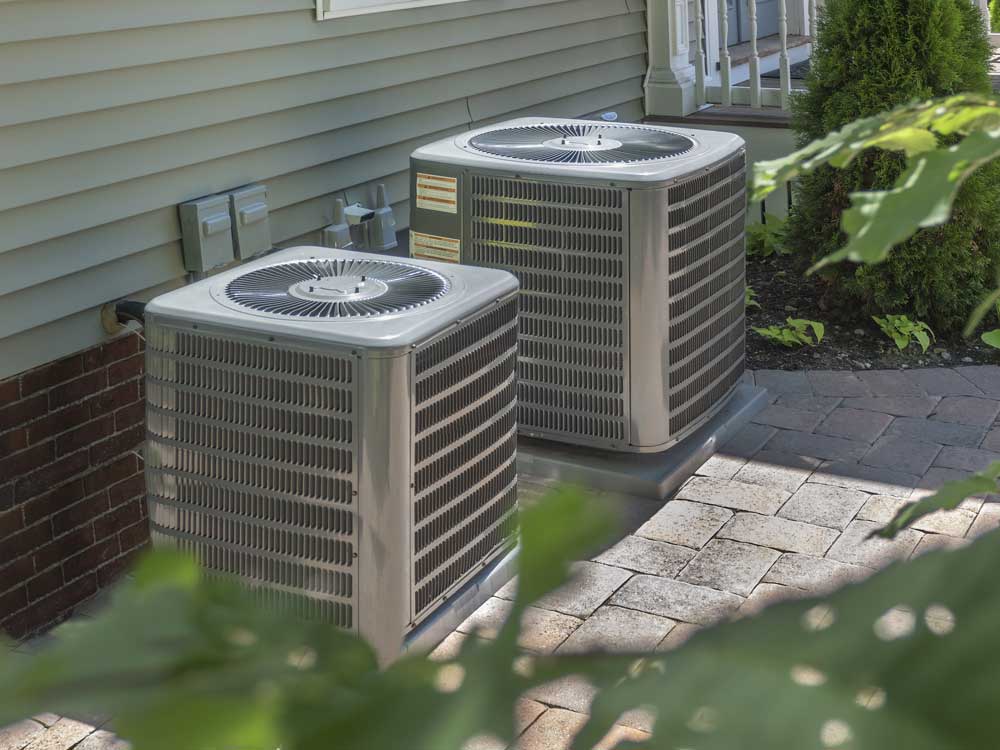
Outdoor condenser units can accumulate dirt, leaves, and debris, reducing airflow and causing your HVAC system to work harder than necessary.
Steps to Clean Your Condenser Coil:
Turn off the power to your HVAC system at the breaker.
Use a garden hose to spray the coil fins gently. Avoid using high pressure, which can damage the fins.
Remove debris like leaves or twigs from the surrounding area.
Ensure there’s at least two feet of clearance around the unit for optimal airflow.
5. Check the Vents and Registers
Blocked or closed vents can restrict airflow, reducing your HVAC system’s efficiency and causing uneven heating or cooling.
Steps to Clear Your Vents:
Walk through your home and make sure all supply and return vents are open and unobstructed.
Remove any furniture, rugs, or objects blocking airflow.
Use a vacuum cleaner with a hose attachment to remove dust buildup inside the vent openings.
Pro Tip: Avoid closing multiple vents in unused rooms, as this can increase system pressure and cause damage.
6. Inspect the Drain Line
HVAC systems remove humidity by draining moisture through a condensate line. If this line gets clogged, water can back up and shut down the system.
Steps to Clear a Clogged Drain Line:
Turn off your HVAC system.
Locate the drain line, typically a PVC pipe near the indoor unit.
Use a wet/dry vacuum to suck out clogs from the drain line’s exterior end.
Pour a solution of vinegar and warm water down the drain pipe to dissolve any lingering debris.
7. Check for Frozen Coils
Frozen evaporator coils can block airflow and cause your system to stop cooling effectively. This often results from airflow restrictions or refrigerant issues.
Steps to Thaw Frozen Coils:
Turn off the HVAC system and switch the thermostat to “fan-only” mode.
Allow the coils to thaw completely, which may take several hours.
While thawing, check for dirty filters or blocked vents that may have caused the issue.
If your coils continue to freeze despite troubleshooting, it may indicate a refrigerant leak or compressor problem requiring professional repair.
When to Call a Professional
While these DIY HVAC repair tips can resolve many common issues, some problems require expert intervention. Contact a professional if you experience:
Persistent system shutdowns despite resetting the breaker.
Refrigerant leaks or ice buildup that won’t resolve.
Strange noises, burning smells, or electrical issues.
Weak airflow or inconsistent temperatures after filter changes and vent adjustments.
Contact Schneider Plumbing, Heating & Air Conditioning Today
Taking the time to troubleshoot your HVAC system can save you money and restore comfort to your home. By following these seven DIY HVAC repair tips, you can often resolve common issues on your own. However, if your system continues to struggle, it’s time to call in the professionals.
At Schneider Plumbing, Heating & Air Conditioning, we’re dedicated to ensuring your home remains comfortable year-round. For over 70 years, our family-owned business has provided reliable HVAC services throughout Jackson and Jennings County. Whether you need expert heating, cooling, or plumbing solutions, we’re here to help.
Contact us today to schedule your HVAC service and experience the Schneider Plumbing, Heating & Air Conditioning difference!
When shopping for a new air conditioning system, understanding SEER ratings is crucial in choosing the most energy-efficient option. SEER ratings play a vital role in determining how well an AC unit performs in terms of energy consumption and cooling power. Knowing what SEER ratings mean and how to compare systems can help you strike the right balance between performance and cost.
Understanding SEER Ratings
Definition and Importance
SEER stands for Seasonal Energy Efficiency Ratio. This metric measures the cooling output of an air conditioning system divided by the energy it consumes during a typical cooling season. The higher the SEER rating, the more efficiently the system operates.
For instance, an air conditioner with a SEER rating of 20 will generally be more efficient than one with a SEER rating of 14. Higher efficiency means lower energy bills and reduced environmental impact. The U.S. Department of Energy mandates minimum SEER ratings for new air conditioners:
13 for northern states
14 for southern states with hotter climates
Modern systems can achieve SEER ratings of 20 or more, offering improved performance and significant energy savings.
Factors Affecting Energy Efficiency
Installation and Environmental Impacts
While SEER ratings provide an excellent starting point, several other factors influence an AC system’s actual energy efficiency:
Installation Quality: A high-SEER unit will only deliver optimal efficiency if installed correctly. Improper installation can lead to airflow restrictions, refrigerant imbalances, and leaky ducts, reducing performance.
Insulation and Home Efficiency: Even the highest-rated system may struggle if your home has poor insulation or inefficient windows and doors. Enhancing your home’s insulation ensures your AC unit doesn’t have to overwork to maintain a comfortable temperature.
Climate Conditions: Homes in extremely hot and humid regions may require a higher SEER rating to achieve substantial energy savings. Conversely, in cooler regions, a moderate SEER rating may suffice.
Unit Size: An undersized unit may struggle to cool your home efficiently, while an oversized unit may cycle on and off frequently, reducing efficiency and lifespan. Consulting with an HVAC professional ensures the correct size for your home’s cooling needs.
Maintenance: Regular maintenance is crucial to sustaining an AC system’s efficiency. Routine tasks like replacing filters, cleaning coils, and ensuring proper airflow can keep your system running at peak performance.
Selecting the Right AC System
Cost vs. Efficiency Considerations
Choosing an air conditioning system often involves balancing initial costs with long-term savings. Here’s what to consider:
Upfront Cost: Higher SEER units generally come at a higher initial cost. However, this investment often pays off through energy savings over time.
Energy Savings: A unit with a SEER rating of 16 or higher can significantly reduce your energy consumption, especially in warmer climates. Calculate your potential savings based on your region’s climate and energy costs.
Rebates and Incentives: Many utility companies and government programs offer rebates for purchasing energy-efficient systems, making high-SEER units more affordable.
Lifespan and Durability: Investing in a higher-quality system with an optimal SEER rating may increase the lifespan of your unit, reducing the need for frequent repairs or premature replacement.
Making an Informed Choice
When selecting a new air conditioning system, consider working with a trusted HVAC provider like Schneider Plumbing, Heating & Air Conditioning. Our team has been providing reliable cooling solutions to residents in Jackson and Jennings County for over 70 years. As a family-owned business, we prioritize customer comfort and energy efficiency with every installation.
Our expert technicians can help you choose the best SEER-rated system for your home’s unique needs. We’ll assess your space, discuss your budget, and recommend an air conditioning unit that balances performance and affordability. With our commitment to quality service, you can trust Schneider Plumbing, Heating & Air Conditioning to keep your home cool and comfortable throughout the summer.
Heating, ventilation, and air conditioning (HVAC) systems play a critical role in maintaining indoor comfort throughout the year. Whether you’re constructing a new home or upgrading an outdated system, investing in an energy-efficient HVAC system can provide significant benefits. From reducing energy consumption to enhancing indoor air quality, these modern systems offer homeowners and businesses long-term value.
Lower Energy Bills
One of the most significant advantages of energy-efficient HVAC systems is the potential for lower utility bills. Traditional heating and cooling systems can consume a substantial amount of energy, leading to high monthly costs. By upgrading to an energy-efficient model, homeowners can reduce their energy consumption, resulting in substantial savings over time. Modern HVAC systems are designed with advanced technology, such as variable-speed motors and programmable thermostats, to optimize energy use without sacrificing comfort.
Reduced Environmental Impact
Energy-efficient HVAC systems help reduce greenhouse gas emissions by consuming less power. Traditional heating and cooling units often rely on fossil fuels, contributing to carbon dioxide (CO2) emissions that impact climate change. By choosing an energy-efficient system, homeowners can significantly lower their carbon footprint. Additionally, many energy-efficient HVAC systems use eco-friendly refrigerants that are less harmful to the environment than older models that rely on ozone-depleting substances.
Improved Indoor Comfort
Energy-efficient HVAC systems are designed to maintain consistent indoor temperatures with minimal fluctuations. Unlike older systems that turn on and off frequently, modern units operate at variable speeds, ensuring a more stable indoor climate. This means you’ll experience fewer hot and cold spots, better humidity control, and improved overall comfort in your home or business. Advanced filtration systems also help improve indoor air quality by reducing allergens, dust, and pollutants.
Longer System Lifespan
New construction HVAC systems that prioritize energy efficiency tend to have a longer operational lifespan than outdated models. Because these systems operate more efficiently and reduce strain on components, they experience less wear and tear over time. Regular maintenance and proper usage can extend the life of your HVAC system, ultimately saving you money on premature replacements and costly repairs.
Enhanced Smart Technology Integration
Energy-efficient HVAC systems are often equipped with smart technology that allows homeowners to control their heating and cooling settings remotely. Features like programmable thermostats, Wi-Fi connectivity, and AI-driven automation enable users to adjust temperature settings from their smartphones or smart home assistants. These advancements not only improve convenience but also contribute to optimized energy usage and increased savings.
Increased Property Value
Installing an energy-efficient HVAC system can increase the value of your property. Homebuyers are increasingly prioritizing energy-efficient features when searching for new homes. Properties with high-efficiency HVAC systems are more attractive to potential buyers because they promise lower utility costs, improved comfort, and reduced maintenance needs. If you’re planning to sell your home in the future, upgrading your HVAC system can be a worthwhile investment.
Government Incentives and Rebates
Many local and federal programs offer incentives and rebates for homeowners who upgrade to energy-efficient HVAC systems. These financial benefits can help offset the initial cost of installation. Some utility companies also provide discounts for customers who choose energy-efficient options. Before installing a new system, it’s a good idea to check with your HVAC provider about available rebates and incentives.
Quieter Operation
Energy-efficient HVAC systems operate much quieter than traditional units. Advanced engineering and improved insulation help reduce noise levels, providing a more peaceful home environment. If you’ve ever been disturbed by the loud cycling of an old HVAC system, upgrading to a quieter, energy-efficient model will make a noticeable difference.
Customized Solutions for New Construction
When planning a new construction project, incorporating an energy-efficient HVAC system from the start ensures seamless integration into the building’s design. New construction HVAC solutions allow homeowners and builders to optimize heating and cooling efficiency with modern insulation, zoning systems, and smart technology. By designing an HVAC system that meets the unique needs of a new home or commercial space, property owners can maximize comfort and efficiency from day one.
The Importance of Professional Installation
Professional installation is essential to fully experience the benefits of an energy-efficient HVAC system. An improperly installed system can lead to inefficiencies, increased energy consumption, and costly repairs. A trusted HVAC provider like Schneider Plumbing, Heating & Air Conditioning ensures that your system is correctly sized and installed for optimal performance.
Invest in Comfort and Efficiency Today
Upgrading to an energy-efficient HVAC system is a smart decision for homeowners and businesses looking to reduce costs, improve comfort, and minimize their environmental impact. Whether you’re building a new home or replacing an outdated system, Schneider Plumbing, Heating & Air Conditioning has the expertise to guide you through the process. With over 70 years of experience serving Jackson and Jennings County, our family-owned HVAC company is committed to delivering high-quality heating, cooling, and plumbing services. Contact us today to learn more about energy-efficient HVAC solutions and schedule your consultation.
Older homes offer unique charm, history, and character, but they also come with their fair share of plumbing issues. Aging pipes, outdated materials, and years of wear and tear can lead to leaks, corrosion, and reduced water pressure. Proper maintenance and timely plumbing repair are essential to keep an older home’s plumbing system functioning efficiently and safely.
Identifying Common Plumbing Problems in Older Homes
Homes built decades ago often have plumbing systems that have deteriorated over time. If you live in an older home, it’s important to be aware of the most common plumbing issues and how to address them before they become costly problems.
Signs of Corrosion and Leaks in Aging Pipes
Corrosion and leaks are some of the most common issues in aging plumbing systems. Older homes often have pipes made from galvanized steel, iron, or even lead, which are prone to rust and degradation over time.
How to Identify Corrosion and Leaks:
Discolored water: Brown, yellow, or reddish water indicates rust in your pipes.
Frequent leaks: Persistent dripping or water stains on walls and ceilings suggest deteriorating pipes.
Low water pressure: Corroded pipes can restrict water flow, reducing pressure.
Visible pipe damage: If you notice green or white corrosion buildup on exposed pipes, it may indicate weakening materials.
How to Fix Corroded Pipes and Leaks:
Pipe replacement: The most effective solution is replacing outdated pipes with modern materials like PEX or copper.
Epoxy pipe lining: This technique involves applying an interior coating to prevent further corrosion.
Leak detection and repairs: Professional plumbers can use advanced leak detection technology to identify and repair leaks efficiently.
How to Address Low Water Pressure in Older Homes
Low water pressure can be frustrating and is often caused by a variety of factors in older homes.
Common Causes of Low Water Pressure:
Corroded or clogged pipes restricting water flow.
Faulty pressure regulators that fail to maintain consistent water pressure.
Hidden leaks that divert water away from fixtures.
Outdated plumbing design that does not meet modern water usage demands.
How to Fix Low Water Pressure:
Pipe descaling: Removing buildup and mineral deposits inside pipes can restore pressure.
Pressure regulator replacement: A professional plumber can install a new regulator if the old one is faulty.
Pipe replacement: If corrosion is the cause, upgrading to new piping can improve pressure.
Leak detection and repair: Addressing hidden leaks can prevent unnecessary water loss.
When to Upgrade Outdated Plumbing Materials
Older homes often have plumbing made from materials that are no longer considered safe or efficient. Some common outdated materials include:
Galvanized steel: Prone to corrosion and rust.
Lead pipes: Pose serious health risks due to lead contamination in drinking water.
Polybutylene pipes: Prone to breaking and leaking.
Cast iron drain pipes: Can crack and deteriorate over time.
Why Upgrading Is Necessary:
Health and safety: Lead pipes should be replaced immediately to prevent contamination.
Improved efficiency: Modern materials like PEX and copper provide better water flow and durability.
Reduced maintenance costs: Upgrading to new materials prevents frequent leaks and costly repairs.
How to Upgrade Outdated Plumbing:
Full home repiping: The best long-term solution for homes with failing pipes.
Partial pipe replacement: Targeted upgrades for sections of the plumbing system that are most at risk.
Trenchless pipe repair: A minimally invasive solution for replacing underground pipes.
Why Plumbing Repairs Are Crucial for Older Plumbing Systems
Ignoring plumbing problems in an older home can lead to expensive and potentially hazardous consequences. Proper maintenance and timely plumbing repair ensure that your home’s plumbing system remains functional and safe.
Preventing Water Damage and Mold Growth
Leaking pipes can cause extensive water damage, leading to mold growth and structural problems. Prompt repairs can prevent costly home restoration.
Improving Water Quality
Corroded pipes and outdated materials can contaminate your water supply, affecting your health. Replacing old pipes improves water quality and safety.
Enhancing Home Value
Modernizing an older home’s plumbing system increases its value and appeal to potential buyers, making it a worthwhile investment.
The Benefits of Hiring Professionals for Plumbing Repairs
While some plumbing issues can be handled with DIY solutions, older homes require expertise to diagnose and fix problems effectively. Hiring a professional plumber ensures that repairs are done safely and correctly.
Expert Diagnosis and Repairs
Professional plumbers have the experience and tools to identify hidden issues and provide long-lasting solutions. They use advanced technology, such as leak detection equipment and video pipe inspections, to assess problems accurately.
Compliance with Building Codes
Older homes must adhere to updated building codes when making plumbing repairs or replacements. Licensed plumbers ensure that all work meets regulatory requirements, preventing potential legal and safety issues.
Cost Savings in the Long Run
Attempting DIY fixes on an aging plumbing system can lead to costly mistakes. Professional repairs prevent recurring issues, reducing overall maintenance expenses.
Access to Modern Plumbing Solutions
A professional plumber can recommend the best materials and repair methods to improve efficiency and longevity, ensuring your home’s plumbing system remains reliable for years to come.
Call the Experts at Schneider Plumbing, Heating & Air Conditioning
If you own an older home, keeping your plumbing system in top shape is essential for safety, efficiency, and long-term cost savings. Whether you’re dealing with leaks, low water pressure, or outdated pipes, Schneider Plumbing, Heating & Air Conditioning has the expertise to handle all your plumbing repair needs.
For over 70 years, our team has been a trusted name in Jackson and Jennings County, providing high-quality plumbing, heating, and cooling services. As a family-owned business, we are committed to improving the lives of our customers through expert service and dependable solutions.
A single hidden leak can quietly waste thousands of gallons of water before anyone notices a problem. What starts as a small drip behind a wall or under a slab can turn into warped flooring, mold growth, and a repair bill that grows by the week. Investing in professional plumbing services for leak prevention is one of the most effective ways to catch these problems early and protect a home’s foundation, walls, and belongings from unnecessary damage.
Why Professional Plumbing Services for Leak Prevention Matter
Water leaks, no matter how minor, can quietly damage a home’s structure and drive up utility bills long before they become obvious. Understanding what goes into proper leak prevention is the first step toward protecting a property from that kind of long term damage.
What Professional Plumbing Services for Leak Prevention Include
A thorough leak prevention plan typically covers more than a single visit. It usually includes:
Routine pipe inspections: Identifying corrosion, weak joints, or early cracking before a pipe fails outright.
Water pressure checks: Confirming pressure stays within a safe range that will not stress fittings and connections over time.
Leak detection technology: Locating hidden leaks behind walls, under floors, or underground without unnecessary digging or demolition.
Prompt repairs: Fixing small issues immediately so they never have the chance to turn into major failures.
Taken together, these steps catch problems long before a homeowner would notice them on their own.
Common Causes of Plumbing Leaks and How to Avoid Them
Most plumbing leaks trace back to a handful of avoidable issues. Recognizing these common culprits makes it easier to take preventive action before a small problem becomes an expensive one.
Aging and Corroded Pipes
Pipes naturally weaken over time as they corrode and develop small cracks. Routine inspections catch aging pipes before they fail, and in some cases pipe repair services can extend the useful life of a section of plumbing rather than requiring a full replacement.
High Water Pressure
Water pressure that runs consistently high puts extra stress on every joint and fitting in a home’s plumbing system. A pressure reducing valve, installed and calibrated by a professional, keeps pressure within a safe range and reduces the odds of a sudden leak or burst pipe.
Tree Root Intrusion
Tree roots naturally seek out moisture, and underground pipes are an easy target once a root finds even a hairline crack. This is especially common with older sewer line repair cases, where roots have worked their way into a joint over several years. Locating and treating root intrusion early prevents a slow blockage from turning into a full backup.
Improper Installation or DIY Repairs
A quick DIY fix or a poorly done installation often leaves joints under sealed or fittings under tightened. These shortcuts tend to hold for a while before failing, which is why professional installation matters just as much as the materials themselves.
Aging Water Heaters and Failing Tank Connections
Water heaters are one of the most overlooked sources of a slow leak. A corroded tank, a loose fitting, or a failing pressure relief valve can drip for weeks before the damage becomes obvious, especially in a basement or utility closet that does not get checked often. Routine attention to water heater repair and installation catches these issues early, before a slow drip turns into a tank failure that floods the surrounding area.
How Plumbers Detect Hidden Leaks
Modern leak detection relies on tools that locate a problem accurately without tearing into walls or flooring unnecessarily. Professional leak detection typically involves a combination of the following:
Acoustic leak detectors: These devices listen for the sound signature of water escaping inside walls, floors, or underground pipes.
Thermal imaging cameras: Infrared technology reveals temperature changes caused by escaping water, even in spaces that are otherwise hard to reach.
Video inspection equipment: Small, flexible cameras travel inside pipes to reveal cracks, blockages, or wear from the inside out.
These tools save time and reduce the amount of demolition needed to locate and fix a leak, which keeps repair costs lower for the homeowner.
Signs You May Have a Hidden Leak
Catching a leak early depends on recognizing the warning signs before damage spreads. A few common indicators include:
Unexplained water bills: A sudden spike with no clear change in water use often points to a hidden leak.
Visible water stains: Discoloration on walls, ceilings, or floors usually means water is finding its way through somewhere it should not be.
Musty odors: Persistent dampness behind walls or under floors creates the ideal environment for mold and mildew.
Low water pressure: A sudden drop in pressure can signal a leak somewhere along the line rather than a fixture problem.
Calling a professional at the first sign of any of these issues keeps a minor repair from turning into an expensive one. The table below offers a quick reference for matching a warning sign to a likely cause.
Where You Notice It
What It Might Mean
Puddling near the water heater
Corroded tank or a loose fitting
Water stain under a sink
Worn supply line or a failing drain trap
Ceiling stain below a bathroom
Toilet or tub seal failure
Soggy yard with no recent rain
Leak in an underground water or sewer line
Why Leak Prevention Saves You Money
Hiring a professional plumber for leak prevention might look like an added expense at first, but it is an investment that typically pays for itself over time.
Avoiding Costly Water Damage
Left unaddressed, leaks can weaken walls, floors, and even foundations, and the moisture they create is a common trigger for mold growth. Furniture, flooring, and other belongings can also suffer damage that is difficult or impossible to reverse once water has soaked in.
Improving Water Efficiency
Household leaks waste far more water than most people realize. According to the EPA WaterSense program, the average home loses thousands of gallons of water every year to leaks that go unnoticed, which quietly adds to monthly utility bills. Addressing leaks quickly keeps a plumbing system running efficiently and keeps that waste out of the water bill.
Extending the Life of Your Plumbing System
Routine maintenance and prompt repairs add years of useful life to a plumbing system. In cases where corrosion or damage has spread through a large section of a home, whole home re-piping services can reset the clock and reduce the odds of another leak developing in the same area down the road.
Seasonal Leak Risks Worth Watching For
Leak risk does not stay constant throughout the year. Cold weather causes water inside pipes to expand as it freezes, and that expansion can crack a pipe from the inside out, often in an unheated crawl space, attic, or exterior wall where the damage goes unnoticed until temperatures rise again. Heavy rain and snowmelt add a different kind of pressure, pushing more water toward sump pumps and foundation drains than they normally handle. A quick pre season check of exposed pipes, sump pump function, and any connections near an exterior wall goes a long way toward catching a seasonal leak before it becomes a seasonal flood.
Trust an Experienced Team With Your Plumbing System
The team at Schneider Plumbing, Heating & Air Conditioning has spent more than 70 years helping homeowners keep their plumbing systems reliable and leak free. Whether it is a routine inspection, a hidden leak that needs tracking down, or a repair that cannot wait, experienced plumbers bring the tools and know how to handle it correctly the first time.
Frequently Asked Questions
How often should I have my plumbing inspected for leaks?
Most homes benefit from a professional plumbing inspection once a year, though older homes or homes with a history of leaks may benefit from more frequent checks.
Can high water pressure really cause a leak?
Yes. Consistently high water pressure puts ongoing stress on pipes, joints, and fittings, which increases the likelihood of a leak or a sudden pipe failure over time. A pressure reducing valve helps keep pressure within a safe range.
What is the most common sign of a hidden leak?
An unexplained spike in a water bill is one of the most common signs of a hidden leak, especially when there has been no noticeable change in household water use.
Do tree roots really cause plumbing leaks?
Yes. Tree roots are drawn to the moisture inside underground pipes and can work their way into small cracks or loose joints over time, eventually causing leaks or blockages.
Is professional leak detection worth the cost?
Professional leak detection typically costs far less than the water damage, mold remediation, or structural repairs that result from a leak left undiscovered. Locating a leak early almost always saves money in the long run.
What should I do if I find a leak before help arrives?
Shut off the water at the main valve or the fixture’s local shutoff if it is easy to reach, move any furniture or belongings away from the area, and soak up standing water to limit further damage while waiting for a plumber to arrive.