Jayme Reid manages content and SEO strategy for Schneider Plumbing, Heating & Air Conditioning, helping homeowners in Seymour and the surrounding area find clear, helpful information on plumbing, heating, and cooling. With a focus on practical advice, Jayme works behind the scenes to keep this site's content accurate, useful, and easy to navigate.
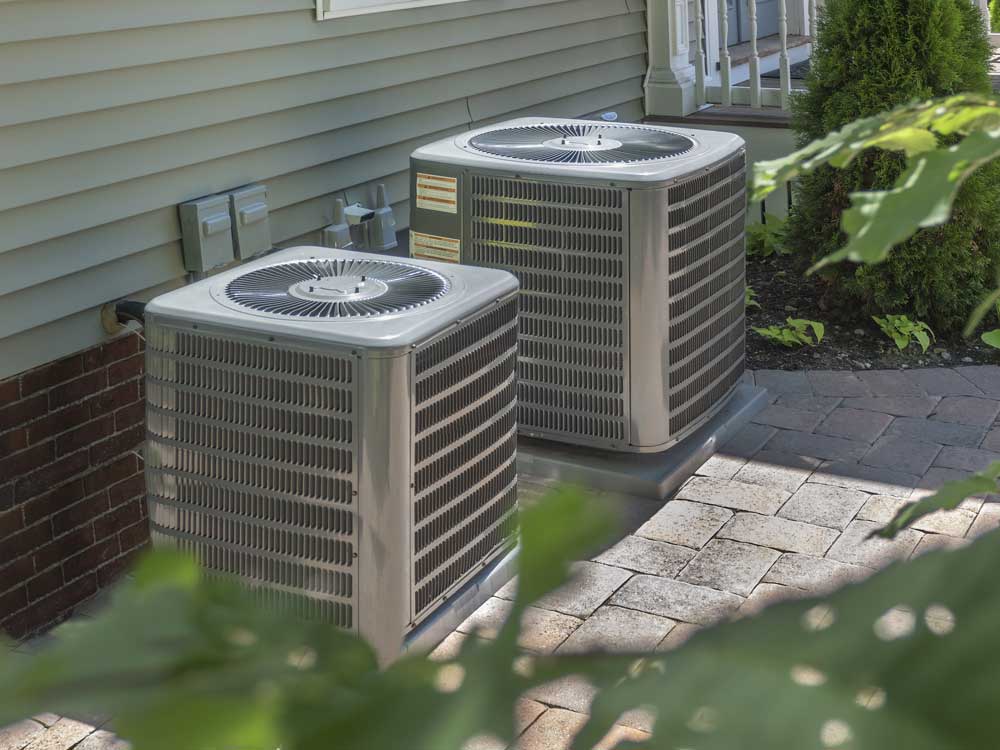
Heating, ventilation, and air conditioning (HVAC) systems play a critical role in maintaining indoor comfort throughout the year. Whether you’re constructing a new home or upgrading an outdated system, investing in an energy-efficient HVAC system can provide significant benefits. From reducing energy consumption to enhancing indoor air quality, these modern systems offer homeowners and businesses long-term value.
Lower Energy Bills
One of the most significant advantages of energy-efficient HVAC systems is the potential for lower utility bills. Traditional heating and cooling systems can consume a substantial amount of energy, leading to high monthly costs. By upgrading to an energy-efficient model, homeowners can reduce their energy consumption, resulting in substantial savings over time. Modern HVAC systems are designed with advanced technology, such as variable-speed motors and programmable thermostats, to optimize energy use without sacrificing comfort.
Reduced Environmental Impact
Energy-efficient HVAC systems help reduce greenhouse gas emissions by consuming less power. Traditional heating and cooling units often rely on fossil fuels, contributing to carbon dioxide (CO2) emissions that impact climate change. By choosing an energy-efficient system, homeowners can significantly lower their carbon footprint. Additionally, many energy-efficient HVAC systems use eco-friendly refrigerants that are less harmful to the environment than older models that rely on ozone-depleting substances.
Improved Indoor Comfort
Energy-efficient HVAC systems are designed to maintain consistent indoor temperatures with minimal fluctuations. Unlike older systems that turn on and off frequently, modern units operate at variable speeds, ensuring a more stable indoor climate. This means you’ll experience fewer hot and cold spots, better humidity control, and improved overall comfort in your home or business. Advanced filtration systems also help improve indoor air quality by reducing allergens, dust, and pollutants.
Longer System Lifespan
New construction HVAC systems that prioritize energy efficiency tend to have a longer operational lifespan than outdated models. Because these systems operate more efficiently and reduce strain on components, they experience less wear and tear over time. Regular maintenance and proper usage can extend the life of your HVAC system, ultimately saving you money on premature replacements and costly repairs.
Enhanced Smart Technology Integration
Energy-efficient HVAC systems are often equipped with smart technology that allows homeowners to control their heating and cooling settings remotely. Features like programmable thermostats, Wi-Fi connectivity, and AI-driven automation enable users to adjust temperature settings from their smartphones or smart home assistants. These advancements not only improve convenience but also contribute to optimized energy usage and increased savings.
Increased Property Value
Installing an energy-efficient HVAC system can increase the value of your property. Homebuyers are increasingly prioritizing energy-efficient features when searching for new homes. Properties with high-efficiency HVAC systems are more attractive to potential buyers because they promise lower utility costs, improved comfort, and reduced maintenance needs. If you’re planning to sell your home in the future, upgrading your HVAC system can be a worthwhile investment.
Government Incentives and Rebates
Many local and federal programs offer incentives and rebates for homeowners who upgrade to energy-efficient HVAC systems. These financial benefits can help offset the initial cost of installation. Some utility companies also provide discounts for customers who choose energy-efficient options. Before installing a new system, it’s a good idea to check with your HVAC provider about available rebates and incentives.
Quieter Operation
Energy-efficient HVAC systems operate much quieter than traditional units. Advanced engineering and improved insulation help reduce noise levels, providing a more peaceful home environment. If you’ve ever been disturbed by the loud cycling of an old HVAC system, upgrading to a quieter, energy-efficient model will make a noticeable difference.
Customized Solutions for New Construction
When planning a new construction project, incorporating an energy-efficient HVAC system from the start ensures seamless integration into the building’s design. New construction HVAC solutions allow homeowners and builders to optimize heating and cooling efficiency with modern insulation, zoning systems, and smart technology. By designing an HVAC system that meets the unique needs of a new home or commercial space, property owners can maximize comfort and efficiency from day one.
The Importance of Professional Installation
Professional installation is essential to fully experience the benefits of an energy-efficient HVAC system. An improperly installed system can lead to inefficiencies, increased energy consumption, and costly repairs. A trusted HVAC provider like Schneider Plumbing, Heating & Air Conditioning ensures that your system is correctly sized and installed for optimal performance.
Invest in Comfort and Efficiency Today
Upgrading to an energy-efficient HVAC system is a smart decision for homeowners and businesses looking to reduce costs, improve comfort, and minimize their environmental impact. Whether you’re building a new home or replacing an outdated system, Schneider Plumbing, Heating & Air Conditioning has the expertise to guide you through the process. With over 70 years of experience serving Jackson and Jennings County, our family-owned HVAC company is committed to delivering high-quality heating, cooling, and plumbing services. Contact us today to learn more about energy-efficient HVAC solutions and schedule your consultation.
Older homes offer unique charm, history, and character, but they also come with their fair share of plumbing issues. Aging pipes, outdated materials, and years of wear and tear can lead to leaks, corrosion, and reduced water pressure. Proper maintenance and timely plumbing repair are essential to keep an older home’s plumbing system functioning efficiently and safely.
Identifying Common Plumbing Problems in Older Homes
Homes built decades ago often have plumbing systems that have deteriorated over time. If you live in an older home, it’s important to be aware of the most common plumbing issues and how to address them before they become costly problems.
Signs of Corrosion and Leaks in Aging Pipes
Corrosion and leaks are some of the most common issues in aging plumbing systems. Older homes often have pipes made from galvanized steel, iron, or even lead, which are prone to rust and degradation over time.
How to Identify Corrosion and Leaks:
Discolored water: Brown, yellow, or reddish water indicates rust in your pipes.
Frequent leaks: Persistent dripping or water stains on walls and ceilings suggest deteriorating pipes.
Low water pressure: Corroded pipes can restrict water flow, reducing pressure.
Visible pipe damage: If you notice green or white corrosion buildup on exposed pipes, it may indicate weakening materials.
How to Fix Corroded Pipes and Leaks:
Pipe replacement: The most effective solution is replacing outdated pipes with modern materials like PEX or copper.
Epoxy pipe lining: This technique involves applying an interior coating to prevent further corrosion.
Leak detection and repairs: Professional plumbers can use advanced leak detection technology to identify and repair leaks efficiently.
How to Address Low Water Pressure in Older Homes
Low water pressure can be frustrating and is often caused by a variety of factors in older homes.
Common Causes of Low Water Pressure:
Corroded or clogged pipes restricting water flow.
Faulty pressure regulators that fail to maintain consistent water pressure.
Hidden leaks that divert water away from fixtures.
Outdated plumbing design that does not meet modern water usage demands.
How to Fix Low Water Pressure:
Pipe descaling: Removing buildup and mineral deposits inside pipes can restore pressure.
Pressure regulator replacement: A professional plumber can install a new regulator if the old one is faulty.
Pipe replacement: If corrosion is the cause, upgrading to new piping can improve pressure.
Leak detection and repair: Addressing hidden leaks can prevent unnecessary water loss.
When to Upgrade Outdated Plumbing Materials
Older homes often have plumbing made from materials that are no longer considered safe or efficient. Some common outdated materials include:
Galvanized steel: Prone to corrosion and rust.
Lead pipes: Pose serious health risks due to lead contamination in drinking water.
Polybutylene pipes: Prone to breaking and leaking.
Cast iron drain pipes: Can crack and deteriorate over time.
Why Upgrading Is Necessary:
Health and safety: Lead pipes should be replaced immediately to prevent contamination.
Improved efficiency: Modern materials like PEX and copper provide better water flow and durability.
Reduced maintenance costs: Upgrading to new materials prevents frequent leaks and costly repairs.
How to Upgrade Outdated Plumbing:
Full home repiping: The best long-term solution for homes with failing pipes.
Partial pipe replacement: Targeted upgrades for sections of the plumbing system that are most at risk.
Trenchless pipe repair: A minimally invasive solution for replacing underground pipes.
Why Plumbing Repairs Are Crucial for Older Plumbing Systems
Ignoring plumbing problems in an older home can lead to expensive and potentially hazardous consequences. Proper maintenance and timely plumbing repair ensure that your home’s plumbing system remains functional and safe.
Preventing Water Damage and Mold Growth
Leaking pipes can cause extensive water damage, leading to mold growth and structural problems. Prompt repairs can prevent costly home restoration.
Improving Water Quality
Corroded pipes and outdated materials can contaminate your water supply, affecting your health. Replacing old pipes improves water quality and safety.
Enhancing Home Value
Modernizing an older home’s plumbing system increases its value and appeal to potential buyers, making it a worthwhile investment.
The Benefits of Hiring Professionals for Plumbing Repairs
While some plumbing issues can be handled with DIY solutions, older homes require expertise to diagnose and fix problems effectively. Hiring a professional plumber ensures that repairs are done safely and correctly.
Expert Diagnosis and Repairs
Professional plumbers have the experience and tools to identify hidden issues and provide long-lasting solutions. They use advanced technology, such as leak detection equipment and video pipe inspections, to assess problems accurately.
Compliance with Building Codes
Older homes must adhere to updated building codes when making plumbing repairs or replacements. Licensed plumbers ensure that all work meets regulatory requirements, preventing potential legal and safety issues.
Cost Savings in the Long Run
Attempting DIY fixes on an aging plumbing system can lead to costly mistakes. Professional repairs prevent recurring issues, reducing overall maintenance expenses.
Access to Modern Plumbing Solutions
A professional plumber can recommend the best materials and repair methods to improve efficiency and longevity, ensuring your home’s plumbing system remains reliable for years to come.
Call the Experts at Schneider Plumbing, Heating & Air Conditioning
If you own an older home, keeping your plumbing system in top shape is essential for safety, efficiency, and long-term cost savings. Whether you’re dealing with leaks, low water pressure, or outdated pipes, Schneider Plumbing, Heating & Air Conditioning has the expertise to handle all your plumbing repair needs.
For over 70 years, our team has been a trusted name in Jackson and Jennings County, providing high-quality plumbing, heating, and cooling services. As a family-owned business, we are committed to improving the lives of our customers through expert service and dependable solutions.
A single hidden leak can quietly waste thousands of gallons of water before anyone notices a problem. What starts as a small drip behind a wall or under a slab can turn into warped flooring, mold growth, and a repair bill that grows by the week. Investing in professional plumbing services for leak prevention is one of the most effective ways to catch these problems early and protect a home’s foundation, walls, and belongings from unnecessary damage.
Why Professional Plumbing Services for Leak Prevention Matter
Water leaks, no matter how minor, can quietly damage a home’s structure and drive up utility bills long before they become obvious. Understanding what goes into proper leak prevention is the first step toward protecting a property from that kind of long term damage.
What Professional Plumbing Services for Leak Prevention Include
A thorough leak prevention plan typically covers more than a single visit. It usually includes:
Routine pipe inspections: Identifying corrosion, weak joints, or early cracking before a pipe fails outright.
Water pressure checks: Confirming pressure stays within a safe range that will not stress fittings and connections over time.
Leak detection technology: Locating hidden leaks behind walls, under floors, or underground without unnecessary digging or demolition.
Prompt repairs: Fixing small issues immediately so they never have the chance to turn into major failures.
Taken together, these steps catch problems long before a homeowner would notice them on their own.
Common Causes of Plumbing Leaks and How to Avoid Them
Most plumbing leaks trace back to a handful of avoidable issues. Recognizing these common culprits makes it easier to take preventive action before a small problem becomes an expensive one.
Aging and Corroded Pipes
Pipes naturally weaken over time as they corrode and develop small cracks. Routine inspections catch aging pipes before they fail, and in some cases pipe repair services can extend the useful life of a section of plumbing rather than requiring a full replacement.
High Water Pressure
Water pressure that runs consistently high puts extra stress on every joint and fitting in a home’s plumbing system. A pressure reducing valve, installed and calibrated by a professional, keeps pressure within a safe range and reduces the odds of a sudden leak or burst pipe.
Tree Root Intrusion
Tree roots naturally seek out moisture, and underground pipes are an easy target once a root finds even a hairline crack. This is especially common with older sewer line repair cases, where roots have worked their way into a joint over several years. Locating and treating root intrusion early prevents a slow blockage from turning into a full backup.
Improper Installation or DIY Repairs
A quick DIY fix or a poorly done installation often leaves joints under sealed or fittings under tightened. These shortcuts tend to hold for a while before failing, which is why professional installation matters just as much as the materials themselves.
Aging Water Heaters and Failing Tank Connections
Water heaters are one of the most overlooked sources of a slow leak. A corroded tank, a loose fitting, or a failing pressure relief valve can drip for weeks before the damage becomes obvious, especially in a basement or utility closet that does not get checked often. Routine attention to water heater repair and installation catches these issues early, before a slow drip turns into a tank failure that floods the surrounding area.
How Plumbers Detect Hidden Leaks
Modern leak detection relies on tools that locate a problem accurately without tearing into walls or flooring unnecessarily. Professional leak detection typically involves a combination of the following:
Acoustic leak detectors: These devices listen for the sound signature of water escaping inside walls, floors, or underground pipes.
Thermal imaging cameras: Infrared technology reveals temperature changes caused by escaping water, even in spaces that are otherwise hard to reach.
Video inspection equipment: Small, flexible cameras travel inside pipes to reveal cracks, blockages, or wear from the inside out.
These tools save time and reduce the amount of demolition needed to locate and fix a leak, which keeps repair costs lower for the homeowner.
Signs You May Have a Hidden Leak
Catching a leak early depends on recognizing the warning signs before damage spreads. A few common indicators include:
Unexplained water bills: A sudden spike with no clear change in water use often points to a hidden leak.
Visible water stains: Discoloration on walls, ceilings, or floors usually means water is finding its way through somewhere it should not be.
Musty odors: Persistent dampness behind walls or under floors creates the ideal environment for mold and mildew.
Low water pressure: A sudden drop in pressure can signal a leak somewhere along the line rather than a fixture problem.
Calling a professional at the first sign of any of these issues keeps a minor repair from turning into an expensive one. The table below offers a quick reference for matching a warning sign to a likely cause.
Where You Notice It
What It Might Mean
Puddling near the water heater
Corroded tank or a loose fitting
Water stain under a sink
Worn supply line or a failing drain trap
Ceiling stain below a bathroom
Toilet or tub seal failure
Soggy yard with no recent rain
Leak in an underground water or sewer line
Why Leak Prevention Saves You Money
Hiring a professional plumber for leak prevention might look like an added expense at first, but it is an investment that typically pays for itself over time.
Avoiding Costly Water Damage
Left unaddressed, leaks can weaken walls, floors, and even foundations, and the moisture they create is a common trigger for mold growth. Furniture, flooring, and other belongings can also suffer damage that is difficult or impossible to reverse once water has soaked in.
Improving Water Efficiency
Household leaks waste far more water than most people realize. According to the EPA WaterSense program, the average home loses thousands of gallons of water every year to leaks that go unnoticed, which quietly adds to monthly utility bills. Addressing leaks quickly keeps a plumbing system running efficiently and keeps that waste out of the water bill.
Extending the Life of Your Plumbing System
Routine maintenance and prompt repairs add years of useful life to a plumbing system. In cases where corrosion or damage has spread through a large section of a home, whole home re-piping services can reset the clock and reduce the odds of another leak developing in the same area down the road.
Seasonal Leak Risks Worth Watching For
Leak risk does not stay constant throughout the year. Cold weather causes water inside pipes to expand as it freezes, and that expansion can crack a pipe from the inside out, often in an unheated crawl space, attic, or exterior wall where the damage goes unnoticed until temperatures rise again. Heavy rain and snowmelt add a different kind of pressure, pushing more water toward sump pumps and foundation drains than they normally handle. A quick pre season check of exposed pipes, sump pump function, and any connections near an exterior wall goes a long way toward catching a seasonal leak before it becomes a seasonal flood.
Trust an Experienced Team With Your Plumbing System
The team at Schneider Plumbing, Heating & Air Conditioning has spent more than 70 years helping homeowners keep their plumbing systems reliable and leak free. Whether it is a routine inspection, a hidden leak that needs tracking down, or a repair that cannot wait, experienced plumbers bring the tools and know how to handle it correctly the first time.
Frequently Asked Questions
How often should I have my plumbing inspected for leaks?
Most homes benefit from a professional plumbing inspection once a year, though older homes or homes with a history of leaks may benefit from more frequent checks.
Can high water pressure really cause a leak?
Yes. Consistently high water pressure puts ongoing stress on pipes, joints, and fittings, which increases the likelihood of a leak or a sudden pipe failure over time. A pressure reducing valve helps keep pressure within a safe range.
What is the most common sign of a hidden leak?
An unexplained spike in a water bill is one of the most common signs of a hidden leak, especially when there has been no noticeable change in household water use.
Do tree roots really cause plumbing leaks?
Yes. Tree roots are drawn to the moisture inside underground pipes and can work their way into small cracks or loose joints over time, eventually causing leaks or blockages.
Is professional leak detection worth the cost?
Professional leak detection typically costs far less than the water damage, mold remediation, or structural repairs that result from a leak left undiscovered. Locating a leak early almost always saves money in the long run.
What should I do if I find a leak before help arrives?
Shut off the water at the main valve or the fixture’s local shutoff if it is easy to reach, move any furniture or belongings away from the area, and soak up standing water to limit further damage while waiting for a plumber to arrive.
Winter comfort starts long before temperatures drop, and it begins with the equipment quietly working in a basement, closet, or crawl space. Knowing how to choose the right furnace protects a home from unpredictable heating bills, mid season breakdowns, and a system that simply cannot keep up with the cold. With dozens of models, fuel types, and efficiency ratings on the market, the decision can feel more complicated than it needs to be. This guide breaks down the factors that matter most, from sizing to efficiency to installation, so homeowners can make a confident, informed choice.
Key Factors in How to Choose the Right Furnace
A furnace does more than heat the air. It affects monthly energy bills, indoor comfort, and how evenly warmth reaches every room in a house. Before comparing brands or price tags, a few core details deserve attention first.
How to Choose the Right Furnace Size for Your Home
A furnace that is too small will run constantly and still struggle to keep up, while an oversized unit will short cycle, wasting energy and adding unnecessary wear on its components. Getting the size right depends on several factors:
Square footage and layout: Ceiling height, window count, and insulation quality all change how much heat a home actually needs to stay comfortable.
BTU output: British Thermal Units measure heating capacity, and a Manual J load calculation is the most accurate way to match BTU output to a specific home rather than relying on square footage alone.
Local climate: Homes in colder regions typically need higher BTU output to keep pace with extended stretches of freezing temperatures without straining the equipment.
Ductwork condition: Leaky or poorly sized ductwork can undercut even a perfectly sized furnace, so it is worth having ducts inspected at the same time.
Getting the size right the first time keeps heating consistent, extends the life of the equipment, and prevents it from working harder than it should.
Understanding Furnace Efficiency Ratings
Efficiency is measured by Annual Fuel Utilization Efficiency, commonly shortened to AFUE and expressed as a percentage.
What AFUE means: An AFUE of 90 percent means the furnace converts 90 percent of its fuel into usable heat, with the remaining 10 percent lost during combustion.
High efficiency models: Many modern furnaces reach AFUE ratings between 90 and 98 percent, and while the upfront cost is higher, the energy savings add up over the life of the unit.
Standard efficiency models: Furnaces rated closer to 80 percent AFUE cost less upfront and can still make sense for homes with lower heating demands or shorter ownership timelines.
Certification to look for:ENERGY STAR certified furnaces meet strict efficiency standards and typically pair higher AFUE ratings with more efficient blower motors.
A more efficient furnace lowers monthly heating costs and reduces the amount of fuel a home consumes each winter, which usually offsets a higher purchase price within a few years.
Comparing Furnace Types: Gas, Electric, and Oil
Fuel type shapes performance, operating cost, and maintenance needs just as much as size and efficiency do. The comparison below highlights how the three most common options stack up against each other.
Furnace Type
Best For
Key Consideration
Gas
Cold climates and homes with an existing gas line
Requires a gas connection and produces some combustion byproducts
Electric
Smaller homes and milder climates
Lower upfront cost, but operating cost rises where electricity is expensive
Oil
Homes without access to natural gas
Requires an on site storage tank and more frequent maintenance
Gas Furnaces
Gas furnaces burn natural gas or propane and remain one of the most popular choices because of their strong heating output and lower operating costs where gas prices are favorable. They perform reliably even during extreme cold, though they require a dedicated gas line and produce some emissions during combustion.
Electric Furnaces
Electric furnaces use heating elements instead of combustion, which means no on site emissions and typically less routine maintenance. They tend to cost less upfront and work well in smaller homes or milder climates, though operating costs can climb in areas where electricity rates run high.
Oil Furnaces
Oil furnaces remain a solid option for homes without access to a natural gas line, and they hold up well in colder regions. They do require a storage tank on the property, scheduled fuel deliveries, and more frequent maintenance than gas or electric systems.
Additional Features Worth Considering
Beyond size, efficiency, and fuel type, a few extra features can make a meaningful difference in day to day comfort:
Variable speed blowers: These adjust airflow automatically, which improves comfort and helps control humidity during the heating season.
Two stage or modulating burners: Instead of running at full blast every cycle, these systems adjust output to match demand, which reduces temperature swings and noise.
Smart thermostat compatibility: Pairing a furnace with a smart thermostat allows for more precise scheduling and can trim energy use even further.
Sound levels: Newer furnace models run noticeably quieter than older units, which matters for furnaces installed near living spaces or bedrooms.
Indoor air quality add-ons: Pairing a new furnace with indoor air quality upgrades such as filtration or humidity control can noticeably improve comfort throughout the heating season.
Is a Furnace Still the Right Fit, or Should You Consider a Heat Pump?
Furnaces are not the only option for keeping a home warm. Heat pumps move heat rather than generate it through combustion, which makes them highly efficient and gives them the added benefit of cooling a home in the summer as well. For homes with mild to moderate winters or an existing electrical setup, heat pump installation is worth comparing against a traditional furnace before making a final decision. Colder climates and homes that need strong, consistent heat output during extended cold snaps still tend to favor a properly sized gas furnace, but a quick comparison with a technician can confirm which system fits a specific home best.
Signs It May Be Time to Replace Your Furnace
Not every heating problem calls for a brand new system. Sometimes furnace repair service can add several more years of reliable use. Other times, replacement is the smarter long term investment. A few signs typically point toward replacement:
The furnace is 15 to 20 years old or older.
Energy bills have crept up without a clear explanation.
Repairs are becoming more frequent or more expensive.
Some rooms feel noticeably colder than others.
The unit is making unusual sounds during normal operation.
One symptom worth calling out on its own is sound. A furnace suddenly making unusual rattling, banging, or squealing noises during normal operation is rarely something to ignore, since it often points to a loose component or a bigger mechanical problem developing inside the unit. Catching these signs early gives homeowners more time to plan a replacement on their own schedule rather than during an emergency.
Why Professional Installation Matters
Choosing the right equipment is only half the equation. How it gets installed has just as much impact on comfort, safety, and long term performance.
How to Choose the Right Furnace Installer
An experienced installer sizes the unit correctly, follows manufacturer specifications, and calibrates the system for peak performance. Skipping this step, or hiring an inexperienced installer, often leads to reduced efficiency, more frequent breakdowns, and a shortened lifespan for equipment that should otherwise last well over a decade. Licensed technicians offering professional furnace installation also carry the training needed to handle gas lines and electrical connections safely.
Safety and Warranty Protection
Furnace installation involves gas connections, venting, and electrical wiring, all of which carry real safety risks when handled incorrectly. Professional installation reduces the chance of gas leaks, carbon monoxide exposure, and electrical hazards. It also matters for the manufacturer’s warranty, since most furnace warranties require professional installation to remain valid and enforceable.
Keep a New Furnace Running at Its Best
Choosing an efficient, properly sized furnace is a strong start, but ongoing care keeps it performing that way for years to come. Annual tune ups, filter changes, and seasonal HVAC maintenance catch small issues before they turn into costly repairs and help the system hold onto its rated efficiency over time.
Making the Right Choice for Your Home
The right furnace comes down to the right size, the right efficiency rating, and the right fuel type for a home’s specific needs, all backed by installation from a trusted technician. Getting each of these details right protects comfort and lowers costs for years to come. The team at Schneider Plumbing, Heating & Air Conditioning has been helping local homeowners make sound heating decisions for more than 70 years, and that experience carries into every recommendation and every installation.
Frequently Asked Questions
What size furnace do I need for my home?
Furnace size depends on square footage, ceiling height, insulation quality, and climate. A Manual J load calculation, performed by a qualified technician, gives the most accurate answer for a specific home rather than a general square footage estimate.
What is a good AFUE rating for a furnace?
Most modern furnaces range from 80 to 98 percent AFUE. Ratings of 90 percent or higher are considered high efficiency and typically qualify for ENERGY STAR certification, which can also open the door to available rebates.
How long does a furnace typically last?
Most furnaces last between 15 and 20 years with regular maintenance. Furnaces approaching or exceeding that range are more likely to need frequent repairs and are often better candidates for replacement than continued repair.
Is a gas or electric furnace better?
Gas furnaces generally offer stronger heating output and lower operating costs in areas with affordable natural gas, while electric furnaces cost less upfront and produce no on site emissions. The better option depends on local utility rates, climate, and whether a gas line is already available.
Should I repair my furnace or replace it?
If a furnace is under 10 years old and the repair is minor, repair is usually the more cost effective choice. Furnaces older than 15 years, or those needing frequent or expensive repairs, are typically better served by replacement.
Should I choose a furnace or a heat pump?
Furnaces tend to perform best in colder climates or homes that need strong, consistent heat output. Heat pumps run efficiently in milder climates and offer the added benefit of cooling a home in the summer. A technician can compare both options against a home’s specific heating needs before installation.
Ready to talk through options for a new furnace? Connect with our home comfort specialists to schedule a consultation and get a recommendation built around the specific needs of your home.